Gear Shaft Dynamic Balancing
Introduction
In the field of mechanical engineering, gear shaft dynamic balancing plays a crucial role in ensuring the smooth and efficient operation of various machines and equipment. In this article, we will explore the concept of gear shaft dynamic balancing and its significance in the industry.
1. Understanding Gear Shafts
Gear shafts are mechanical components used to transmit motion and power between rotating parts within a machine. They consist of a series of gears mounted on a shaft, allowing them to transfer torque and rotational energy. However, due to manufacturing variations and operational conditions, gear shafts may experience imbalances, leading to undesirable vibrations and reduced performance.
2. The Importance of Dynamic Balancing
Dynamic balancing is the process of reducing or eliminating imbalances in rotating systems, such as gear shafts, to ensure smooth and reliable operation. It involves identifying the areas of imbalance and applying corrective measures, such as adding or removing weight, to achieve rotational equilibrium.
3. Common Causes of Imbalance
Imbalances in gear shafts can arise from various factors, including manufacturing defects, uneven distribution of mass, improper assembly, wear and tear, or changes in operating conditions. These imbalances can lead to excessive vibrations, noise, premature component failure, and even safety hazards.
4. Balancing Techniques
There are several techniques used in gear shaft dynamic balancing:
4.1. Static Balancing
Static balancing involves correcting imbalances by adding or removing weight at specific locations on the gear shaft. This technique is suitable for addressing smaller imbalances that occur at a fixed rotational speed.
4.2. Dynamic Balancing
Dynamic balancing takes into account the varying rotational speeds of gear shafts during operation. It uses advanced equipment to measure the imbalances and applies counterweights at specific positions to achieve balance across different speed ranges.
4.3. Modal Analysis
Modal analysis is a technique used to determine the natural frequencies and mode shapes of a gear shaft. By identifying the critical frequencies, engineers can apply appropriate balancing techniques to minimize vibrations and resonance effects.
4.4. Laser Shaft Alignment
Laser shaft alignment is a precise method for aligning the rotational axes of multiple gear shafts. Proper alignment reduces axial and radial loads, minimizing the risk of imbalances and improving overall performance.
5. Benefits of Gear Shaft Dynamic Balancing
Proper gear shaft dynamic balancing offers numerous benefits:
5.1. Enhanced Performance
By reducing vibrations and minimizing stress on components, dynamic balancing improves the overall performance and efficiency of machines.
5.2. Extended Lifespan
Balanced gear shafts experience reduced wear and tear, leading to longer service life and decreased maintenance costs.
5.3. Noise Reduction
Imbalances in gear shafts often result in excessive noise during operation. Dynamic balancing helps to mitigate noise levels, creating a quieter working environment.
5.4. Safety Improvement
Unbalanced gear shafts can pose safety risks due to increased vibrations and potential component failures. Dynamic balancing minimizes these risks, promoting a safer working environment.
Conclusion
Gear shaft dynamic balancing is a critical aspect of mechanical engineering, ensuring the smooth and efficient operation of various machinery. By addressing imbalances and minimizing vibrations, dynamic balancing enhances performance, extends the lifespan of components, reduces noise, and improves safety. Implementing proper balancing techniques is essential for optimizing the reliability and functionality of gear shafts in different applications.
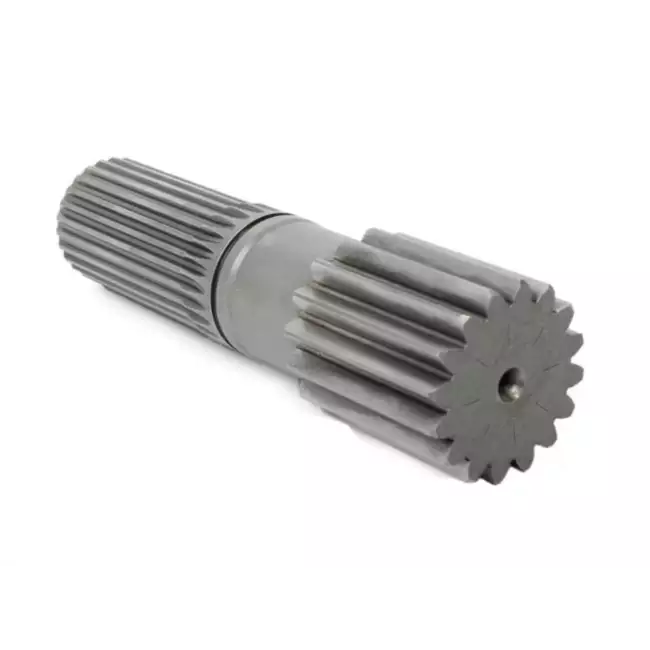
Our company specializes in the production and sales of various types of gear and gear shafts. We take pride in our expertise and offer several advantages:
- Quality: We ensure that all our gears and gear shafts are manufactured to the highest standards, guaranteeing durability and reliability.
- Precision: Our advanced manufacturing processes and skilled technicians allow us to achieve precise gear shaft balancing, resulting in smoother and more efficient operation.
- Customization: We understand that every application requires specific gear shaft specifications. Our team is adept at providing customized solutions tailored to our customers’ unique needs.
- Technical Support: We offer comprehensive technical support throughout the entire gear shaft selection, design, and implementation process, ensuring optimal performance and customer satisfaction.
- Timely Delivery: We value our customers’ time and strive to deliver products within the agreed-upon timeframe, enabling seamless integration into their projects.
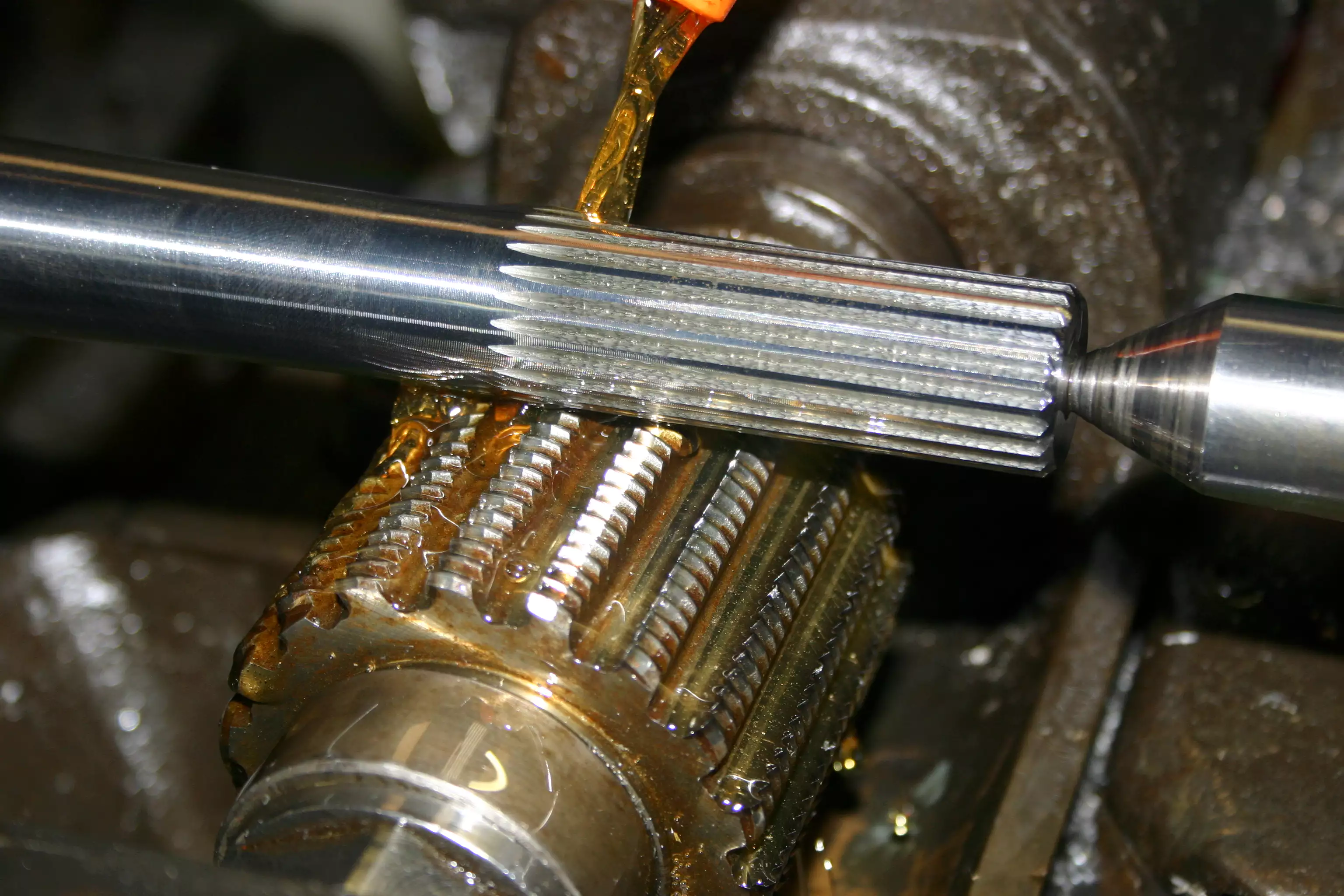
The Importance of Gear Shafts in Mechanical Transmission Systems
Gear shafts play a crucial role in mechanical transmission systems. They are responsible for transmitting power and torque between different components, ensuring smooth and efficient operation. Without properly functioning gear shafts, the transmission system would experience significant performance degradation and potential failure.
Material Selection and Design Considerations for Gear Shafts
When it comes to gear shafts, material selection and design are essential factors in achieving optimal performance. Some key considerations include:
Material:
Choosing the right material for gear shafts is crucial to ensure strength, durability, and wear resistance. Common materials include alloy steel, stainless steel, and carbon steel, each offering specific advantages depending on the application requirements.
Design:
Proper design considerations, such as gear geometry, tooth profile, and shaft diameter, are vital for achieving optimal load distribution, minimizing stress concentration, and maximizing efficiency. Our team of experienced engineers takes into account these factors to deliver high-quality gear shaft designs.
Our Gear Shaft Manufacturing Process
Our gear shaft manufacturing process incorporates various techniques to ensure superior quality:
Cutting Processes:
- Turning: We utilize precision turning to create the initial shape and dimensions of the gear shaft.
- Milling: Our milling process refines the gear shaft’s surface finish and achieves precise gear tooth profiles.
- Grinding: Through grinding, we further enhance the gear shaft’s dimensional accuracy and surface quality.
Heat Treatment:
- Quenching: The gear shaft undergoes quenching to increase its hardness and improve its overall strength.
- Tempering: Tempering follows quenching to reduce brittleness and enhance toughness, ensuring a balance of strength and ductility.
- Carburizing: In certain applications, the gear shaft is carburized to enhance surface hardness and wear resistance.
Special Processes:
- Gear Rolling: We employ gear rolling as a specialized process to achieve precise gear tooth profiles and improve gear meshing characteristics.
- Gear Shaving: Gear shaving is utilized to refine gear tooth surfaces, reducing noise and improving overall gear performance.
Applications and Failure Analysis of Gear Shafts
Gear shafts find extensive use in various industries and applications. Some typical domains include automotive, aerospace, and industrial machinery. However, failure can occur due to factors such as improper lubrication, excessive loads, or defective manufacturing. Preventive maintenance, regular inspections, and adhering to recommended operating conditions are crucial in mitigating gear shaft failures.
Partner with us today and experience the benefits of our superior gear shafts. Our commitment to quality, precision, and customer satisfaction sets us apart from the competition.
Author: Miya