Gear shaft critical speed calculation
Introduction
The gear shaft critical speed calculation is a vital aspect in the design and analysis of rotating machinery. The critical speed refers to the rotational speed at which the gear shaft experiences resonance, leading to potential failure and operational issues. This article aims to provide a comprehensive understanding of the gear shaft critical speed calculation and its significance.
1. Definition of Critical Speed
The critical speed of a gear shaft is the rotational speed at which the natural frequency of the shaft matches the excitation frequency, resulting in resonance. It is crucial to determine this speed to avoid potential failures and ensure reliable operation.
2. Gear Shaft Material Properties
Before calculating the critical speed, it is necessary to consider the material properties of the gear shaft. Factors such as elasticity modulus, density, and Poisson’s ratio play a significant role in determining the critical speed.
3. Analyzing Gear Shaft Geometry
The geometry of the gear shaft, including length, diameter, and supporting structures, influences the critical speed calculation. Accurate measurements and an understanding of the shaft’s structural properties are essential for precise analysis.
4. Calculation Methodology
To calculate the critical speed, various methods can be employed, such as the Rayleigh-Ritz method, finite element analysis, or analytical formulas. Each approach has its advantages and limitations, and the selection depends on the complexity of the system and available resources.
5. Factors Affecting Critical Speed
Several factors can affect the critical speed of a gear shaft:
- Imbalance in the rotating system
- Shaft misalignment
- Irregularities in the shaft’s supporting structure
- External excitation forces
6. Importance of Critical Speed Calculation
The accurate determination of the gear shaft’s critical speed is crucial for several reasons:
- Preventing resonance and potential failures
- Optimizing design and performance
- Increasing the reliability and lifespan of the gear system
- Enhancing operational safety
7. Case Study: Gear Shaft Critical Speed Analysis
To illustrate the practical application of critical speed calculation, let’s consider a case study:
Suppose we have a gear shaft with a length of 1.5 meters and a diameter of 0.2 meters. By applying finite element analysis and considering the material properties, we can determine the critical speed and assess the system’s stability.
8. Mitigation Techniques
If the gear shaft’s critical speed is too close to the operating speed, several mitigation techniques can be employed:
- Modifying the shaft’s geometry
- Using damping materials
- Implementing balancing techniques
- Improving the supporting structure
Conclusion
The gear shaft critical speed calculation is a crucial step in the design and analysis process of rotating machinery. By accurately determining the critical speed and understanding its significance, engineers can ensure reliable operation, prevent failures, and optimize the overall performance of the system.
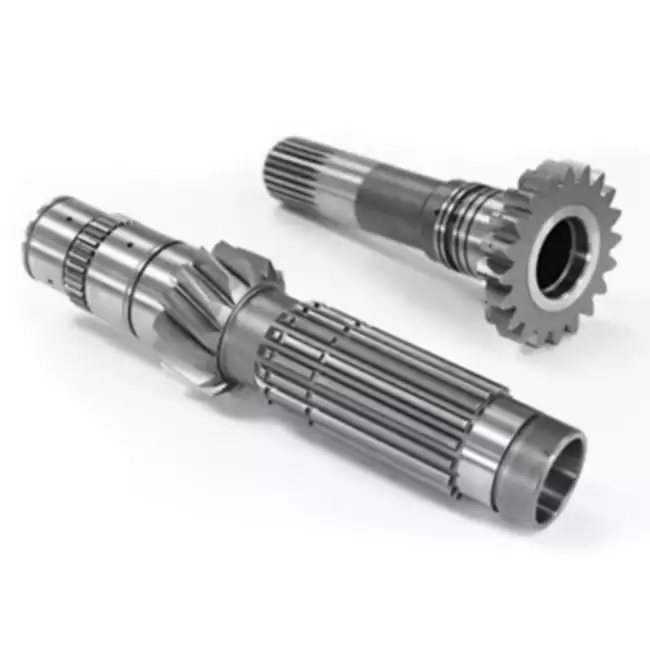
Our company specializes in the production and sales of various types of gears and gear shafts. With our extensive experience and expertise in the field, we are confident in providing high-quality products and services to our valued customers.
Advantages of Choosing Our Company
1. High-Quality Products: We prioritize the use of superior materials and advanced manufacturing techniques to ensure the durability and reliability of our gears and gear shafts.
2. Customization Options: We understand that different applications require specific gear shaft specifications. Therefore, we offer customization services to meet the unique needs of our customers.
3. Competitive Pricing: Despite our commitment to quality, we strive to offer competitive prices, making our products accessible to a wide range of customers.
4. Prompt Delivery: We value our customers’ time and strive to deliver orders promptly, ensuring minimal downtime and smooth operations.
5. Excellent Customer Support: Our dedicated team of professionals is always ready to assist customers with any inquiries or concerns throughout the entire purchasing process.
The Importance of Gear Shafts
Gear shafts play a crucial role in mechanical transmission systems. They are responsible for transmitting rotational motion and power between gears, ensuring the smooth operation of various machinery and equipment.
Materials and Selection Criteria for Gear Shafts
When it comes to gear shafts, selecting the right materials is essential for optimal performance and longevity. Factors to consider when choosing materials include:
1. Strength and Durability: Gear shafts must withstand high levels of torque and stress, which is why materials with high strength and durability, such as alloy steels, are commonly utilized.
2. Wear Resistance: Gears and gear shafts often experience friction, so materials with excellent wear resistance, such as case-hardened steel, are ideal.
3. Machinability: The selected material should be easy to machine, allowing for efficient production processes and precise dimensional control.
4. Cost-Effectiveness: Balancing performance and cost is crucial. It is important to select materials that meet the required specifications while considering the budgetary constraints.
Design Considerations for Gear Shafts
Proper design is crucial to ensure the functionality and reliability of gear shafts. Some key design considerations include:
1. Shaft Diameter and Length: Determining the appropriate diameter and length of the gear shaft based on the torque and load requirements is essential for optimal performance.
2. Keyway and Splines: Incorporating keyways or splines into the design facilitates torque transmission and prevents slippage between the gear and shaft.
3. Fillet Radius: The fillet radius at the gear shaft’s transition areas should be carefully designed to avoid stress concentrations and ensure uniform load distribution.
Manufacturing Process for Gear Shafts
Our manufacturing process for gear shafts includes:
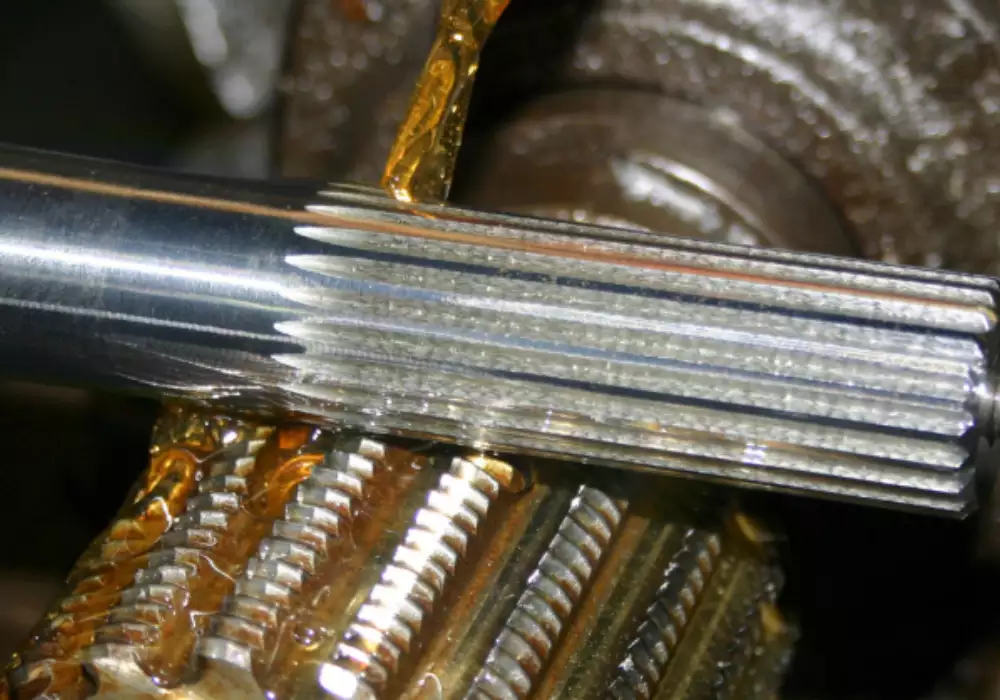
1. Machining: We employ various machining techniques such as turning, milling, and grinding to achieve precise dimensions and ensure the desired surface finish.
2. Heat Treatment: Gear shafts undergo heat treatment processes such as quenching, tempering, and carburizing to enhance their hardness, strength, and wear resistance.
3. Specialized Processes: For specific gear requirements, we offer processes like gear hobbing and shaving to achieve the desired gear tooth profile and accuracy.
Applications and Failure Analysis of Gear Shafts
Gear shafts find extensive applications in various industries, including automotive, industrial machinery, and power generation. However, certain factors can lead to gear shaft failures, such as excessive loads, inadequate lubrication, or material fatigue. It is crucial to conduct regular maintenance and inspections to prevent potential failures and ensure optimal performance.
Partner with us today, and experience the benefits of our high-quality gear shafts and exceptional customer service. Contact us now to discuss your specific requirements and find the perfect solution for your gear transmission needs.
Author: Miya