Gear Rack For Elevator Technical Guidelines
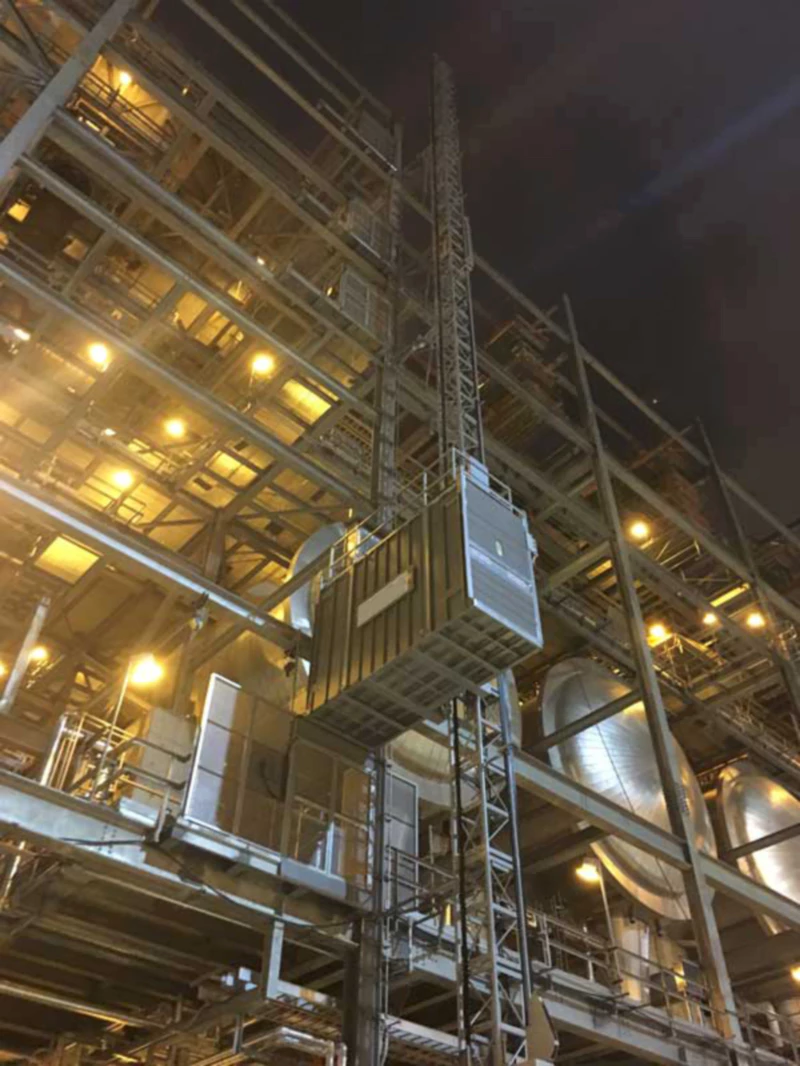
Gear racks for elevators are linear toothed components that are used in conjunction with a gear mechanism to facilitate vertical movement within elevator systems. These gear racks are designed to provide a secure and precise means of transferring motion from the elevator motor to the elevator car, allowing for smooth and controlled vertical transportation of passengers or goods. The gear rack engages with the elevator drive system to ensure reliable and efficient operation, contributing to the overall safety and performance of the elevator system.
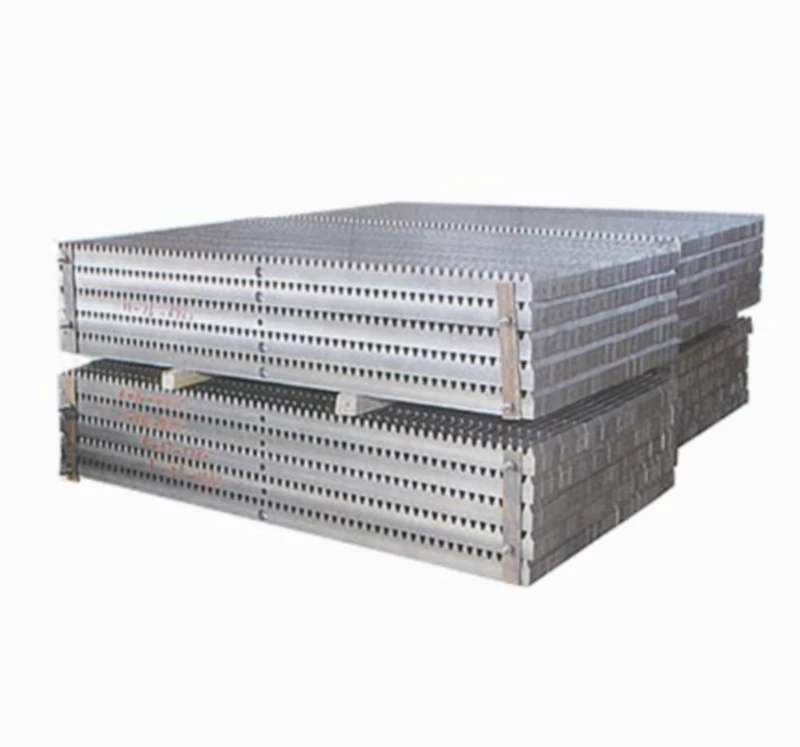
Advantages
Precise and Smooth Movement
Gear racks for elevators enable precise and smooth vertical movement, ensuring a comfortable and safe ride for passengers or the transportation of goods.
High Load Capacity
The gear racks are designed to support high load capacities, allowing elevators to transport heavy objects with ease and stability.
Reliability and Durability
Gear racks for elevators are built to withstand constant use and provide reliable performance over an extended period. Their durability ensures long-term operation without frequent maintenance or replacements.
Safety
The gear rack system ensures the safety of elevator passengers by providing secure and controlled vertical movement, preventing sudden drops or uncontrolled acceleration.
Synchronization
Gear racks facilitate the synchronization of multiple elevator cars in a building, allowing for efficient movement and minimizing waiting times.
Versatility
Gear racks for elevators can be customized to suit various elevator systems, making them suitable for different building types and designs.
Long Lifespan
The gear racks are designed to have a long lifespan, reducing the need for frequent replacements and minimizing downtime for maintenance.
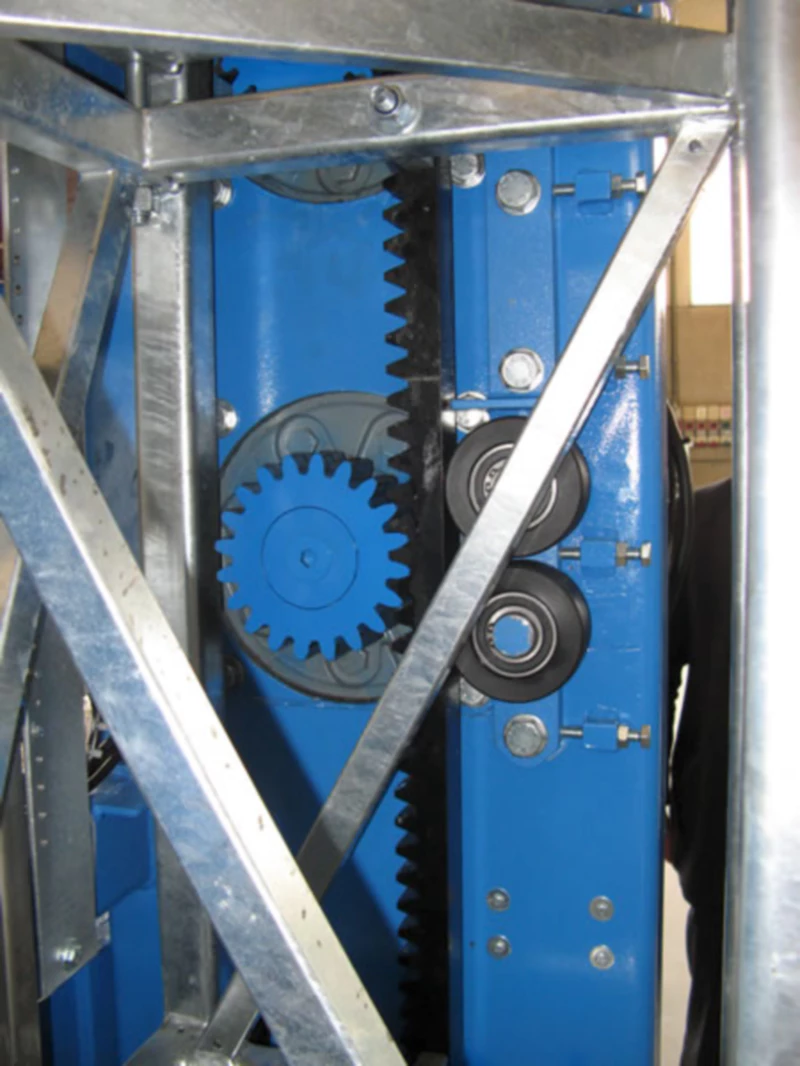
Applications
Passenger Elevators
Gear racks are extensively used in passenger elevators to ensure smooth and reliable vertical transportation for passengers in various types of buildings.
Freight Elevators
Gear racks are essential components in freight elevators, enabling the transportation of heavy goods between different floors of warehouses or industrial facilities.
Service Elevators
Service elevators in commercial or residential buildings rely on gear racks to provide efficient and secure vertical movement for maintenance staff or delivery personnel.
Residential Elevators
Gear racks are used in residential elevators, offering homeowners a convenient and safe means of vertical transportation within their homes.
High-Rise Buildings
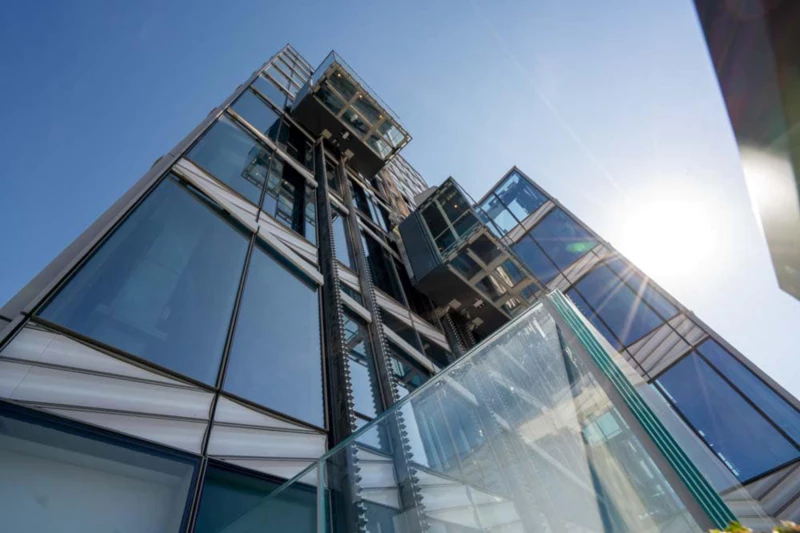
Gear racks play a crucial role in high-rise buildings, where they enable smooth and reliable vertical transportation for a large number of people and goods.
Commercial Complexes
Commercial complexes, such as shopping malls or office buildings, rely on gear racks to provide efficient vertical transportation for visitors and employees.
Industrial Facilities
Gear racks are extensively used in industrial facilities to facilitate the movement of goods or personnel between different levels of the facility.
Working Principle
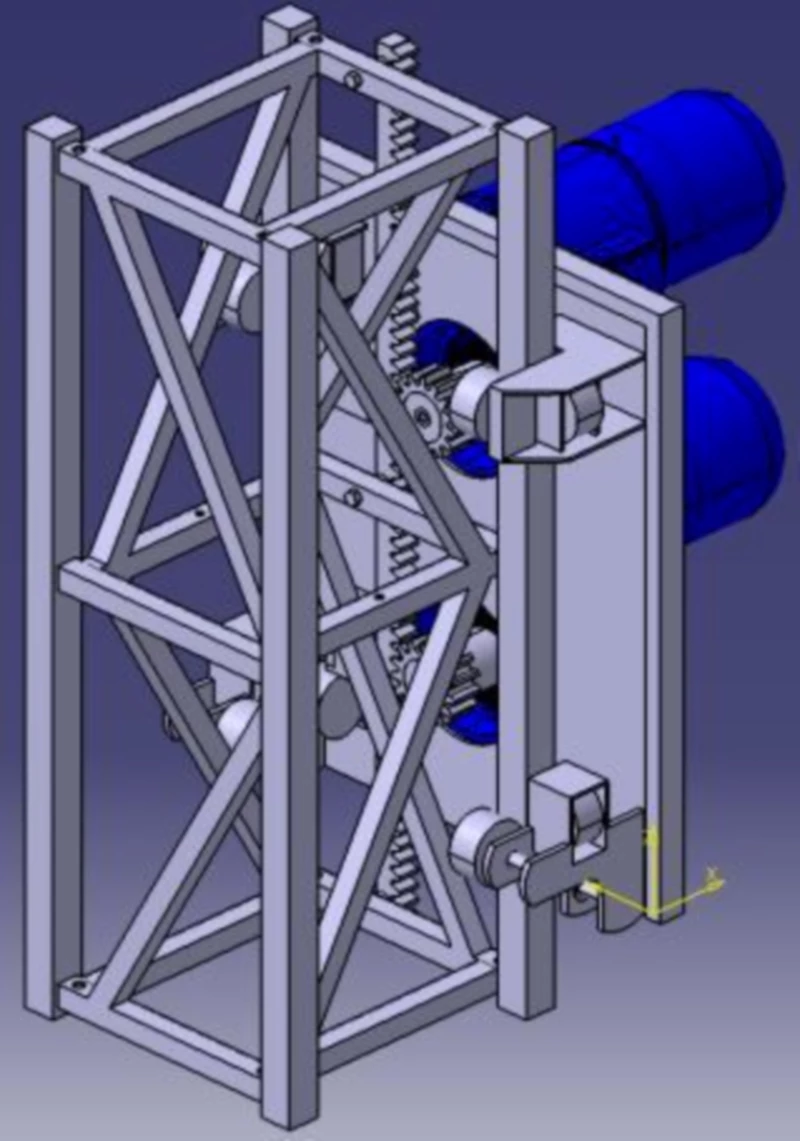
The gear racks for elevators work based on the principle of converting rotational motion into linear motion to facilitate vertical transportation. When the elevator motor rotates, it engages with the gear mechanism, which in turn moves along the gear rack. This movement causes the elevator car to ascend or descend along the vertical shaft, allowing passengers or goods to be transported between different floors of a building. The gear rack provides the necessary traction and support for the elevator system, ensuring smooth and controlled movement while maintaining safety and efficiency in vertical transportation operations.
Selecting the Right Gear Rack for Elevator
Load Capacity
When selecting a gear rack for an elevator, it is essential to consider the load capacity it can support. The gear rack should be capable of handling the maximum weight the elevator is designed to carry.
Pitch and Module
The pitch and module of the gear rack determine its tooth size and spacing. It is crucial to select a gear rack with the appropriate pitch and module to ensure compatibility and optimal performance with the elevator system.
Material and Durability
Gear racks for elevators are typically made from durable materials such as steel or stainless steel. It is important to choose a gear rack that is resistant to wear, corrosion, and other environmental factors to ensure long-term reliability.
Precision and Synchronization
Precision and synchronization are critical factors in elevator operation. The gear rack should be designed to provide accurate and synchronized movement to ensure smooth and efficient vertical transportation.
Environmental Conditions
The gear rack should be suitable for the specific environmental conditions in which the elevator will operate. Factors such as temperature, humidity, and exposure to chemicals or dust should be taken into account during the selection process.
Safety and Compliance
The gear rack should meet safety standards and regulations to ensure the overall safety of the elevator system. Compliance with industry standards is essential for reliable and secure vertical transportation.
Maintenance and Serviceability
Consideration should be given to the ease of maintenance and serviceability of the gear rack. Selecting a gear rack that is easy to inspect, lubricate, and adjust will contribute to the efficiency and longevity of the elevator system.
Installation and Maintenance
Installation
- Preparation: Ensure all necessary tools and equipment are available and the installation area is clean and ready.
- Alignment: Align the gear rack with the elevator drive system to ensure proper engagement and movement.
- Mounting: Securely mount the gear rack in the designated position, following the manufacturer’s instructions.
- Tensioning: Adjust the tension of the gear rack to ensure smooth and precise movement.
- Testing: Test the installed gear rack to ensure it functions correctly and meets the required safety standards.
Maintenance
- Regular Inspection: Regularly inspect the gear rack for any signs of wear, damage, or misalignment.
- Lubrication: Apply appropriate lubrication to ensure smooth movement and prevent excessive friction.
- Cleaning: Keep the gear rack clean and free from debris or contaminants that may affect its performance.
- Adjustment: Make necessary adjustments to maintain proper tension and alignment of the gear rack.
- Repair: If any issues or damages are identified, promptly repair or replace the gear rack to ensure optimal performance and safety.
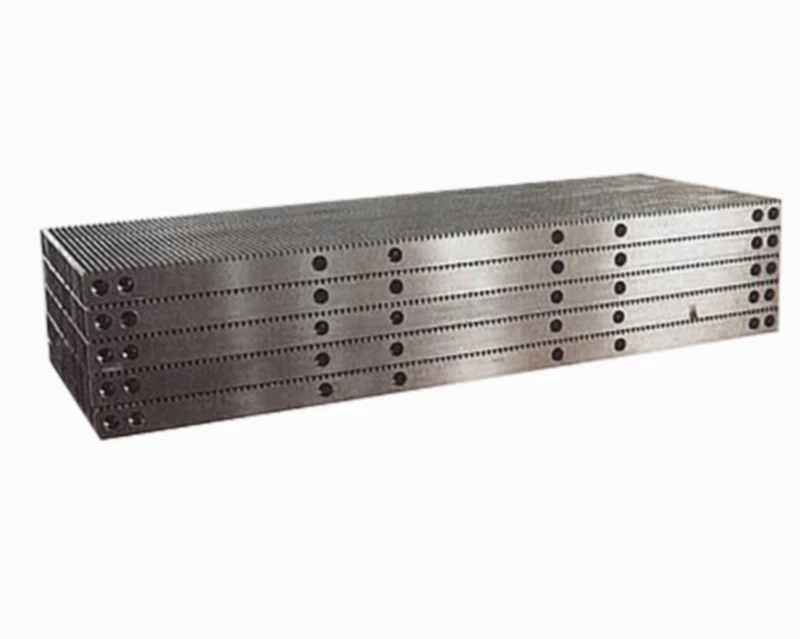
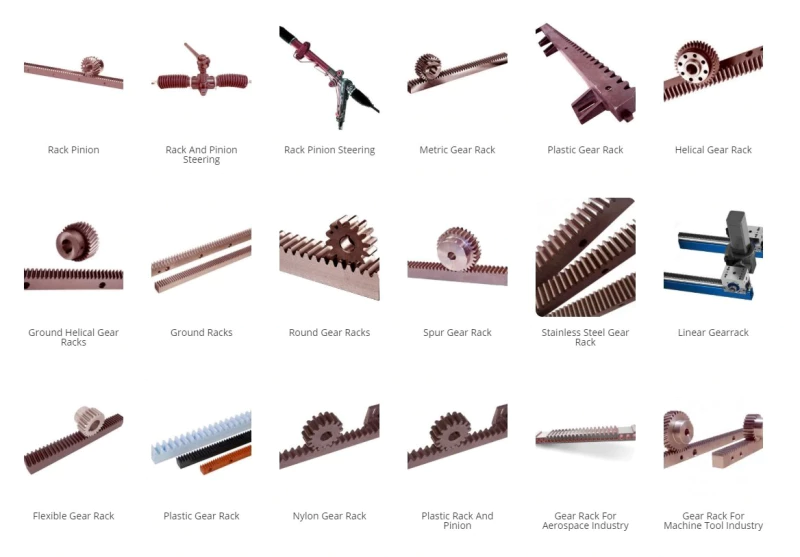
In addition to gear racks for elevators, EVER POWER also offers a wide range of other gear rack products, including Stainless Steel Gear Rack, Plastic Gear Rack, Spur Gear Rack, Helical Gear Rack, and Gear Rack for Door Opener. These products cater to various industrial and commercial applications, providing reliable and high-quality solutions for different requirements.
About EVER POWER
EVER POWER, established in 2006, is a professional company specializing in the production of transmission components. With over 100 professional rack production and testing equipment, our company can produce racks with a one-time processing length of up to 3000MM and a module range of M1-M30, British CP, American DP, and more to adapt to market changes. For high-end customers who require high-precision racks, we have introduced rack milling machines and rack grinding machines imported from Germany. The racks produced by this equipment have a precision level of up to DIN6n25 (JIS2 level), meeting the diverse needs of the high-end market.
At EVER POWER, we strive to provide excellent products, affordable prices, and a good service attitude. Our products are exported to various countries, including Spain, the Netherlands, the United States, South Korea, Turkey, and Russia. We are committed to helping customers develop new products, solve technical and quality problems, and meet their needs with