Gear Rack for AI-driven Rack Actuators
Introduction
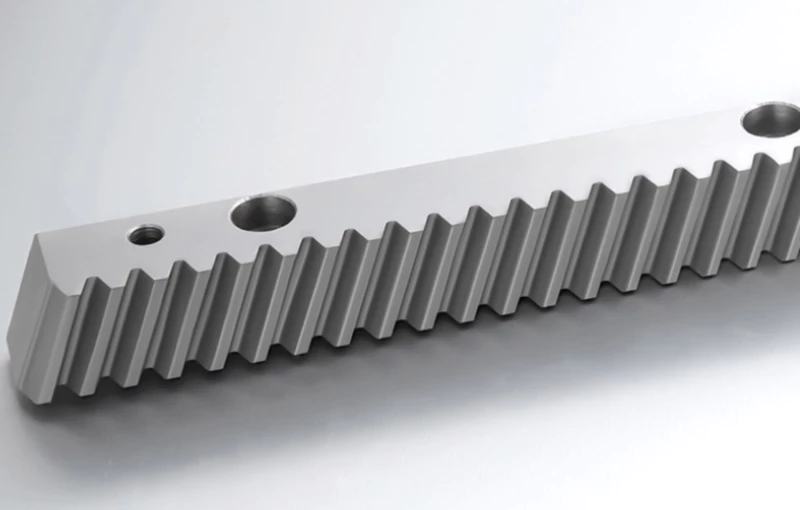
The Gear Rack for Rack Actuator is an essential component used in various industries for controlling the opening
and closing of valves, gates, dampers, and other actuators. It consists of a long metal strip with teeth that
mesh with small gears. The ends of the gear rack are usually machined into flat or chamfered surfaces for easy
installation and fixation. Additionally, the gear rack typically features multiple mounting holes for securing
it to the actuator. Gear Rack for Rack Actuators are commonly made from materials such as steel, stainless
steel, and aluminum. The manufacturing process involves cutting the metal rod into the desired length,
milling the teeth of the gear rack, heat treating to enhance strength and hardness, and applying surface
treatments like coating or corrosion-resistant plating. This article will provide an in-depth exploration of
the gear rack’s features, advantages, applications, installation, maintenance, and an introduction to EVER
POWER, a leading manufacturer of gear racks.

Features of Gear Rack for Rack Actuators
1. High Precision
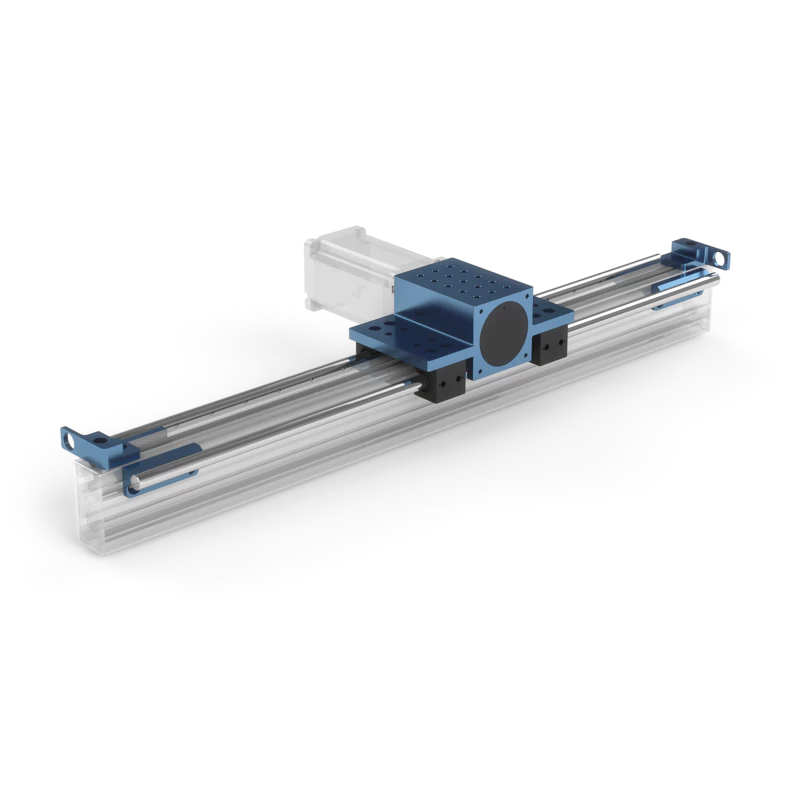
The Gear Rack for Rack Actuators is engineered to deliver exceptional precision in motion control applications.
Its accurately machined teeth ensure smooth and precise movement, enabling precise positioning and accurate
control of the actuator.
2. Load Capacity
The gear rack is designed to handle heavy loads without compromising performance. Its robust construction and
choice of materials, such as high-strength steel, allow it to withstand substantial forces and support the
actuator’s load requirements effectively.
3. Durability
Gear Rack for Rack Actuators is built to last in demanding industrial environments. The use of materials like
stainless steel ensures excellent corrosion resistance and wear resistance, resulting in a long service life
with minimal maintenance needs.
4. Efficiency
The gear rack’s precise and smooth operation contributes to the overall efficiency of the actuator system. Its
well-designed teeth and optimized meshing with gears minimize energy losses and maximize power transmission,
enhancing the actuator’s efficiency.
5. Versatility
The Gear Rack for Rack Actuators is a versatile component compatible with various types of actuators, including
valves, gates, dampers, and more. This versatility makes it suitable for diverse industrial automation
applications.
6. Low Maintenance
Thanks to its durable construction and high-quality materials, the gear rack requires minimal maintenance. With
regular inspection, lubrication maintenance, tightening, cleaning, and timely replacement when necessary, the
gear rack can continue to perform reliably for an extended period.

Applications of Gear Rack for Rack Actuators
1. Petroleum and Chemical Industry
Gear Rack for Rack Actuators find widespread use in the petroleum and chemical industry for controlling various
processes, such as valve actuation in pipelines, flow control, and pressure regulation.
2. Power Generation
In the power generation sector, gear racks play a crucial role in controlling the operation of valves and
gates in power plants, ensuring the efficient generation and distribution of electricity.
3. Metallurgy
Metallurgical processes rely on gear racks to control the movement of gates, dampers, and other actuators in
order to regulate temperature, pressure, and material flow during various stages of the production process.
4. Mining
Gear Rack for Rack Actuators are widely used in the mining industry to control the operation of valves and
gates in ore processing plants, conveyor systems, and other mining equipment, ensuring efficient and safe
mining operations.
5. Water Treatment
The water treatment industry utilizes gear racks to control the opening and closing of valves and gates in
water treatment plants, wastewater treatment plants, and irrigation systems.
Factors to Consider for Gear Rack for Rack Actuator Selection
1. Material Selection
The choice of material for the gear rack depends on the specific application requirements. Steel, stainless
steel, and aluminum offer different strengths, corrosion resistance, and weight characteristics suitable for
various load capacities and environmental conditions.
2. Load Requirements
Understanding the load requirements is crucial for selecting a gear rack that can handle the specific forces
applied by the actuator. Consider factors such as the magnitude and direction of the load, as well as dynamic
forces, to ensure optimal performance and safety.
3. Precision Needs
Different applications demand varying levels of precision. Evaluate the required positioning accuracy and
repeatability to select a gear rack with appropriate tooth quality, pitch accuracy, and dimensional tolerance.
4. Size and Length
The gear rack’s size and length should align with the actuator’s design and installation requirements. Consider
factors like available space, stroke length, and compatibility with other components for a seamless integration
into the overall system.
5. Environment
The operating environment can have a significant impact on the gear rack’s performance and service life.
Consider factors such as temperature extremes, humidity, exposure to chemicals, and potential contamination to
select a gear rack with appropriate material and surface treatments for enhanced durability.
6. Compatibility
Ensure that the gear rack is compatible with the actuator, gears, and other components in the system. Proper
meshing, load distribution, and smooth operation are essential for optimal performance and longevity.
7. Supplier Reputation
Selecting a reliable and reputable supplier, such as EVER POWER, ensures the availability of high-quality gear
racks, timely delivery, and excellent customer support. A trusted supplier can offer technical expertise and
assistance in selecting the most suitable gear rack for specific application requirements.
Installation and Maintenance of Gear Rack for Rack Actuators
Installation:
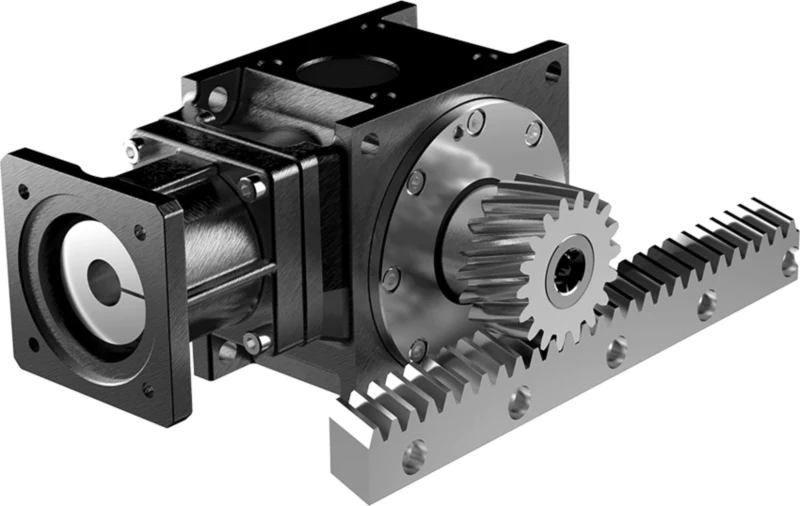
1. Alignment: Ensure proper alignment between the gear rack and the actuator’s mating components for optimal
performance and smooth operation.
2. Secure Mounting: Use suitable fasteners and mounting methods to securely attach the gear rack to the
actuator, preventing any unwanted movements or vibrations.
3. Lubrication: Apply appropriate lubrication to the gear rack’s teeth and mating gears to reduce friction and
wear, ensuring smooth and efficient operation.
4. Clearance: Check and maintain the proper clearance between the gear rack and other components to prevent
unwanted interference or binding.
5. Calibration: Perform calibration and adjustment as necessary to ensure precise and accurate actuator
positioning based on the gear rack’s tooth profile and the actuator’s control system.
Maintenance:
1. Regular Inspection: Periodically inspect the gear rack for signs of wear, damage, or misalignment. Promptly
address any issues to prevent further damage and maintain optimal performance.
2. Lubrication Maintenance: Regularly apply lubrication to the gear rack’s teeth and mating gears as per the
manufacturer’s recommendations, ensuring proper lubrication levels and minimizing friction and wear.
3. Tightening: Check and tighten any fasteners or mounting screws as part of routine maintenance to prevent
loosening and ensure secure attachment.
4. Cleaning: Keep the gear rack and its surroundings clean, removing any debris, dirt, or contaminants that may
affect its performance or cause premature wear.
5. Replacement: If the gear rack shows signs of significant wear, damage, or failure, it should be promptly
replaced with a new one to maintain optimal actuator performance and safety.