Flat Top Chains for Agricultural Applications
Flat top chains are a type of conveyor chain that is essential in various industrial and agricultural applications. They are known for their durability, efficiency, and versatility in handling different types of materials. This article aims to provide you with a comprehensive understanding of flat top chains, particularly those made from plastic, and their various uses in agricultural applications.
Understanding Flat Top Chains
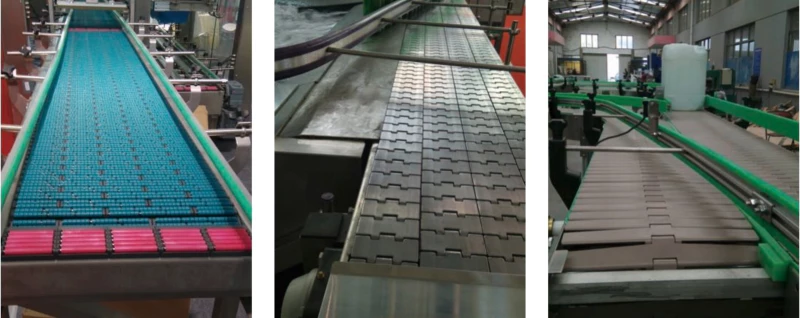
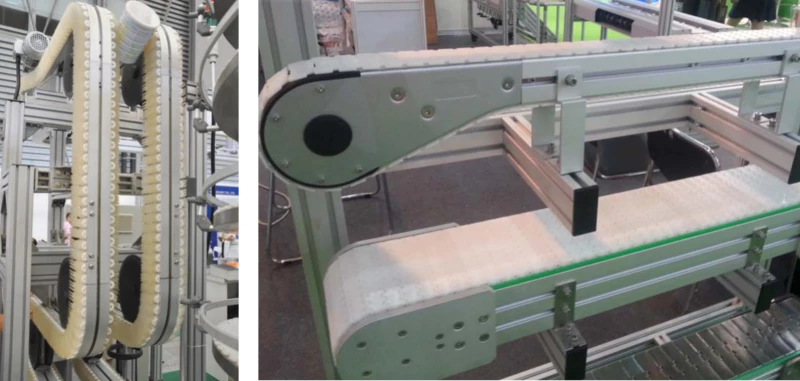
Plastic flat top chain is a type of conveyor chain made from plastic materials, typically polyethylene or polypropylene. It features a flat top surface with evenly spaced slots or openings, allowing for the attachment of various accessories or the direct movement of products. Plastic flat top chains are commonly used in conveyor systems across different industries for the efficient and reliable transportation of goods.
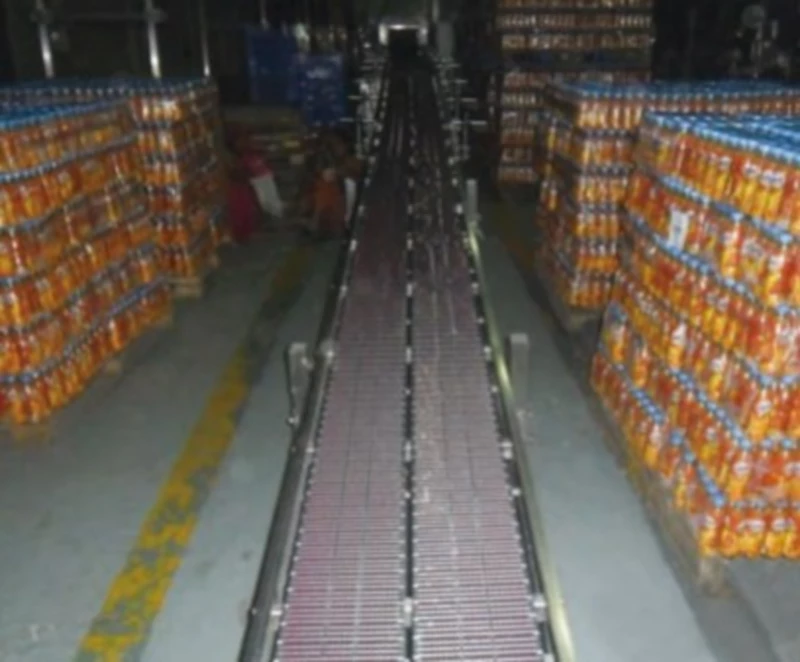
Key Features and Advantages of Plastic Flat Top Chains
Lightweight
Plastic chains are lighter than metal chains, making them easier to handle and requiring less energy for operation.
Corrosion Resistance
Plastic chains are highly resistant to corrosion, making them suitable for applications in wet or corrosive environments.
Low Friction
Plastic chains have a low coefficient of friction, allowing for smooth and efficient conveying.
Flexibility
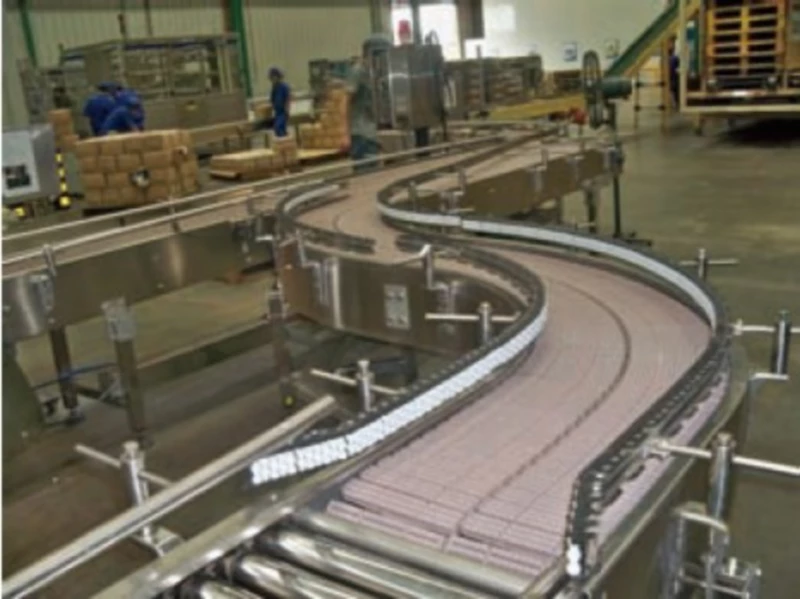
Plastic chains can be easily configured to accommodate various conveyor layouts, including curved, inclined, or straight sections.
Noise Reduction
Plastic chains produce less noise during operation compared to metal chains.
Easy Maintenance
Plastic chains are generally easy to clean and maintain, requiring less lubrication and offering longer service life.
Applications of Plastic Flat Top Chains
Food Processing
Plastic flat top chains are commonly used in food processing industries for conveying food products, such as baked goods, fruits, vegetables, and packaged foods.
Packaging and Bottling
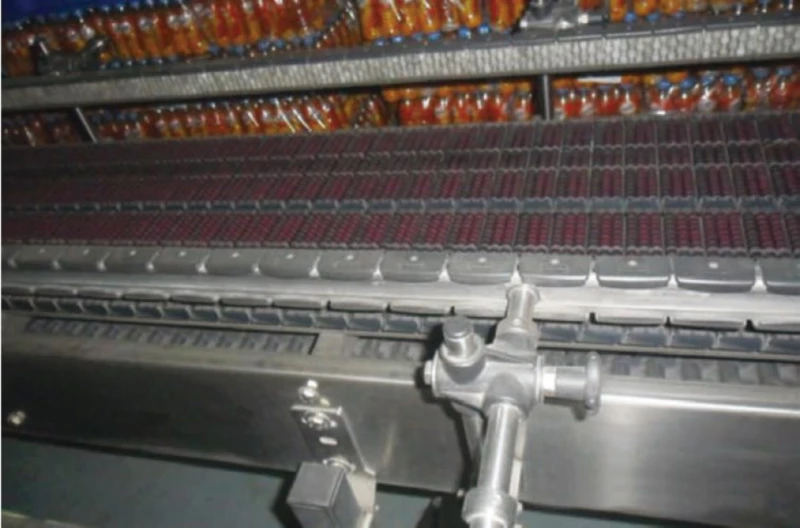
Plastic chains are utilized in packaging and bottling lines for the movement of containers, boxes, and other packaged goods.
Automotive Assembly
Plastic chains are employed in automotive assembly lines for the transportation of car parts during the manufacturing process.
General Material Handling
Plastic chains are suitable for general material handling applications across various industries, including warehousing, logistics, and distribution centers.
Selecting the Right Plastic Flat Top Chains
Load Capacity
Consider the weight and size of the products to be conveyed to ensure the chain can support the required load.
Environment
Evaluate the operating conditions, such as temperature, moisture, and exposure to chemicals, to select a chain with suitable material properties.
Conveyor Layout
Determine the conveyor layout, including straight sections, curves, inclines, and declines, to choose a chain that can accommodate the desired configuration.
Speed and Efficiency
Consider the required conveyor speed and efficiency to select a chain with appropriate design features, such as low friction or high-speed capabilities.
Installation and Maintenance of Plastic Flat Top Chains
Installation
Follow Manufacturer Guidelines: Adhere to the manufacturer’s installation instructions for proper assembly and alignment of the chain components. Tensioning: Ensure the chain is properly tensioned to avoid slack or excessive tension, which can impact performance and lifespan. Alignment: Align the chain properly with the sprockets to prevent premature wear and ensure smooth operation. Lubrication: Some plastic chains may require lubrication or periodic maintenance. Follow the manufacturer’s recommendations regarding lubrication frequency and type.
Maintenance
Regular Cleaning: Keep the chain and conveyor system clean from debris, dust, and product buildup to prevent clogging and reduce wear. Inspection: Regularly inspect the chain for signs of wear, damage, or misalignment. Replace any worn-out or damaged components promptly. Lubrication (if applicable): If the chain requires lubrication, follow the manufacturer’s recommendations for lubrication type and frequency.
Sprockets: A Vital Component to Flat Top Chains
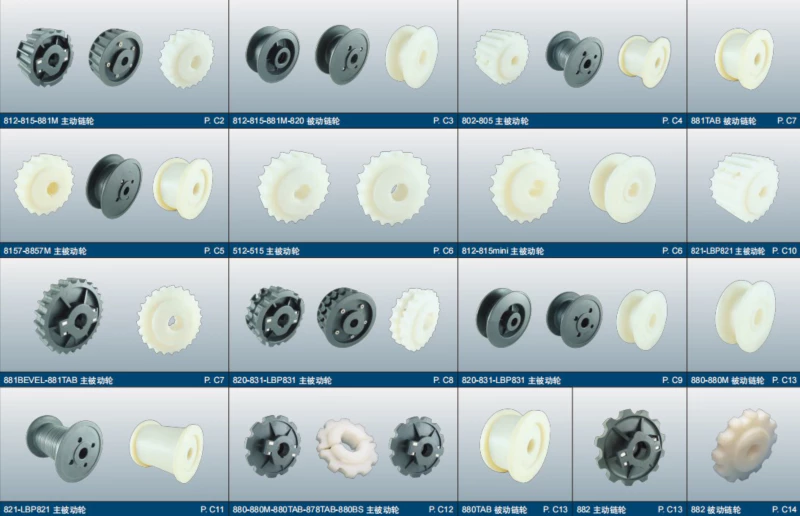
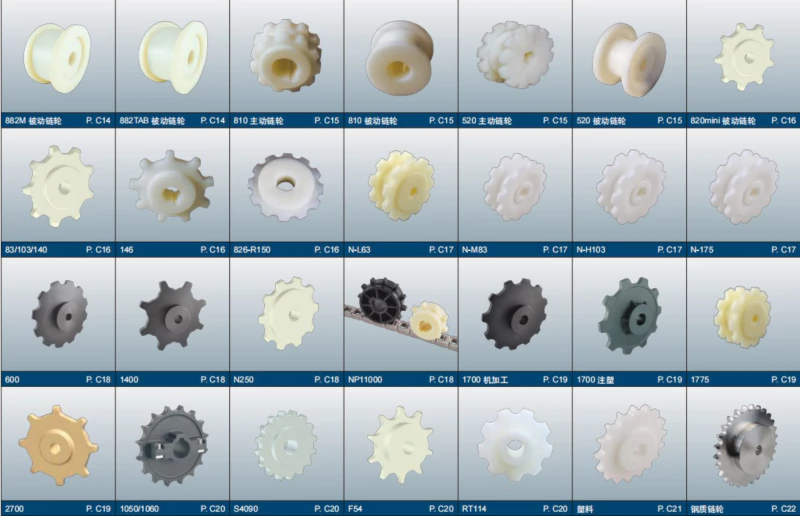
Sprockets are an integral part of the flat top chain system. They engage with the chain to provide motion and ensure efficient operation. The right sprocket-chain combination is crucial for optimal performance and longevity of the system.
About EVER-POWER
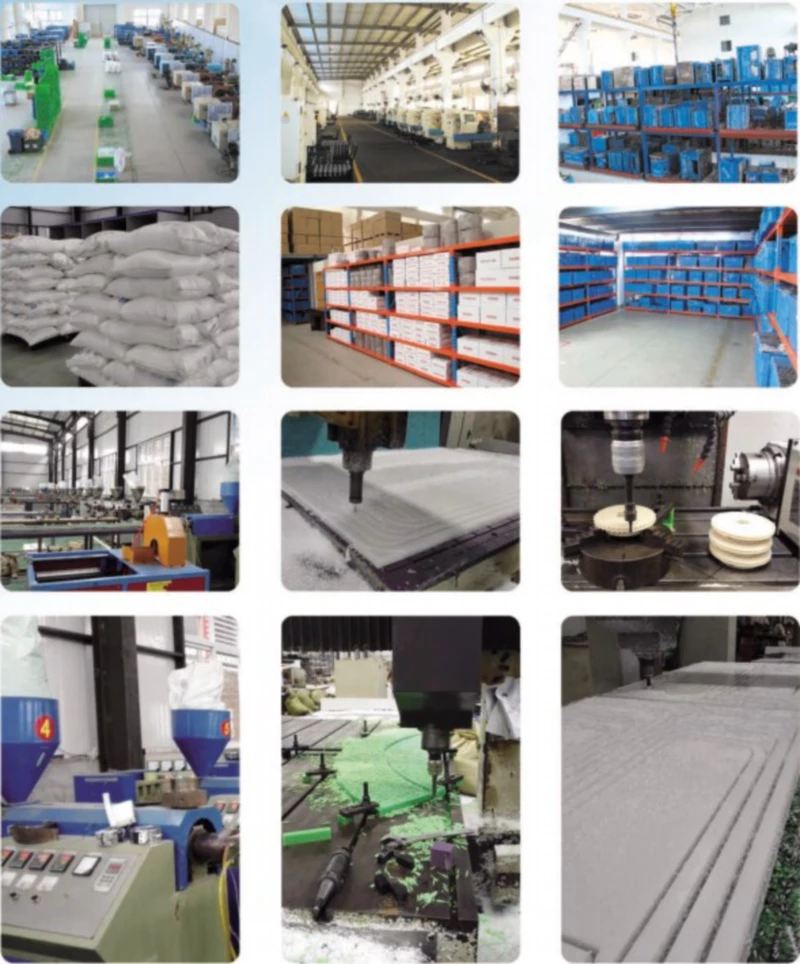
Established in 2003, EVER-POWER is a professional manufacturer of drive components. We possess advanced production and inspection equipment, including CNC gear grinding machines, gear measuring machines, CNC gear shapers, machine centers, and CMMS. We offer a wide range of products, including Plastic Flat Top Chains, Stainless Steel Chain, agricultural chains, leaf chains, and more. We welcome customers to inquire or customize products.
Frequently Asked Questions (FAQs)
1. What materials are used to make plastic flat top chains?
Plastic flat top chains are typically made from durable plastic materials, such as polyethylene or polypropylene.
2. Where are plastic flat top chains commonly used?
They are commonly used in various industries, including food processing, packaging and bottling, automotive assembly, and general material handling.
3. How do I select the right flat top chain for my application?
Consider factors such as load capacity, operating environment, conveyor layout, and required speed and efficiency.
4. How do I maintain a plastic flat top chain?
Regular cleaning, inspection, and lubrication (if applicable) are essential for maintaining a plastic flat top chain.
5. How do sprockets contribute to the operation of flat top chains?
Sprockets engage with the chain to provide motion and ensure efficient operation. The right sprocket-chain combination is crucial for optimal performance.