Farm Plough Equipment: Bottom Furrow Plough for Managing Crop Residues
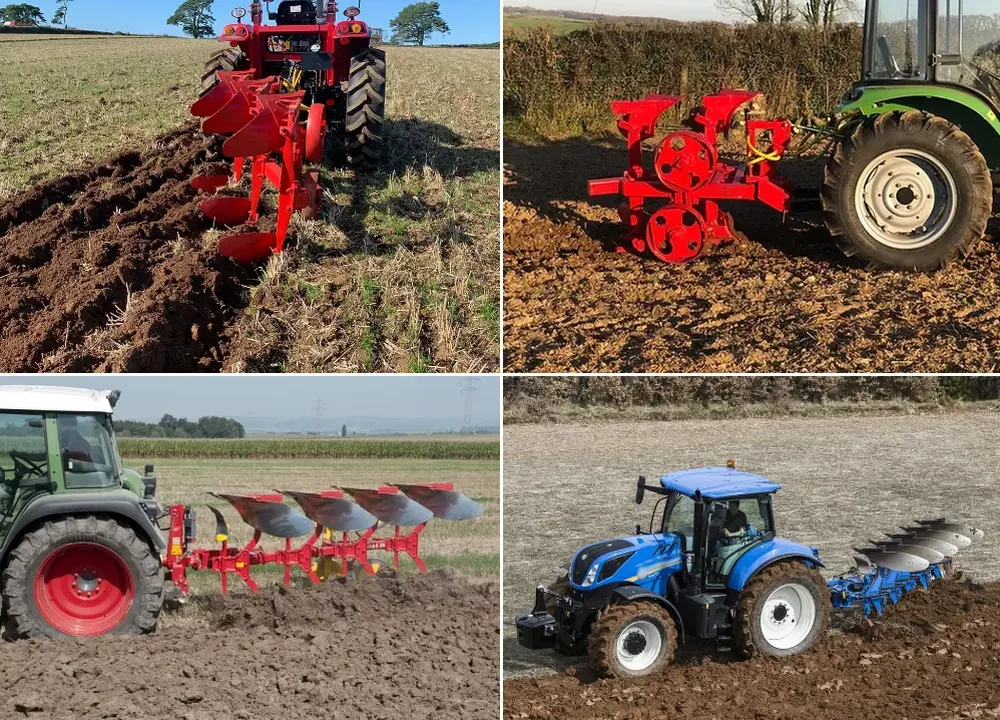
In the world of agriculture, efficient soil management is crucial for successful crop production. One key tool that aids farmers in this process is the Bottom Furrow Plough. This innovative equipment is designed to turn over soil, create furrows for planting, and manage crop residues effectively. Let’s explore the features, advantages, applications, key components, working principle, installation steps, and why you should choose EVER-POWER’s Bottom Furrow Ploughs.
Advantages of Bottom Furrow Plough
1. Enhanced Soil Aeration: The Bottom Furrow Plough helps break up compacted soil, allowing for better air circulation and root growth.
2. Weed Control: By burying crop residues and weeds under the soil, this plough helps reduce weed growth, promoting healthier crops.
3. Improved Water Infiltration: The furrows created by the plough facilitate water penetration into the soil, enhancing moisture retention and distribution.
4. Nutrient Incorporation: Turning over the soil with the plough helps mix nutrients evenly, promoting balanced plant growth.
5. Reduced Soil Erosion: By creating furrows that trap water and prevent runoff, the plough helps minimize soil erosion.
6. Time and Labor Savings: Using a Bottom Furrow Plough streamlines soil preparation processes, saving farmers time and labor costs.
Applications of Bottom Furrow Plough
1. Field Preparation: Bottom Furrow Ploughs are used to prepare fields for planting by turning over soil and creating seedbeds.
2. Crop Residue Management: Farmers use this equipment to manage crop residues effectively, incorporating them back into the soil.
3. Weed Control: The plough helps bury weeds and prevent their regrowth, reducing the need for herbicides.
4. Soil Aeration: By breaking up compacted soil layers, the plough enhances soil aeration, vital for plant root health.
5. Water Management: Furrows created by the plough aid in water infiltration and distribution, optimizing irrigation efficiency.
6. Nutrient Incorporation: Mixing nutrients into the soil through ploughing promotes balanced plant nutrition and growth.
Key Components of Bottom Furrow Plough
A hydraulic reversible furrow plough is a complex agricultural implement with several key components that work together to efficiently turn over soil and create furrows for planting. Some of the key components include:
1. Mouldboards: Curved plates that turn over the soil efficiently.
2. Ploughshare: Cutting edge made from hardened steel for precise cutting.
3. Hydraulic System: Facilitates the plough’s reversible function.
4. Land Wheels: Provide support and maintain balance during operation.
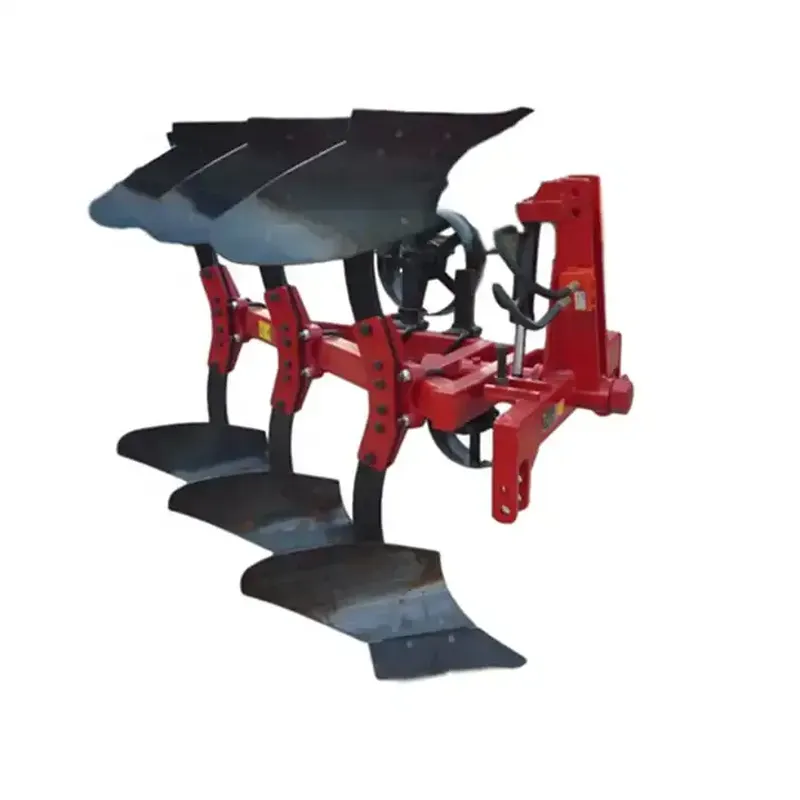
5. Reversible Mechanism: Allows the plough to flip its orientation smoothly.
6. Three-Point Linkage: Connects the plough to the tractor for stability and maneuverability.
Working Principle of Bottom Furrow Plough
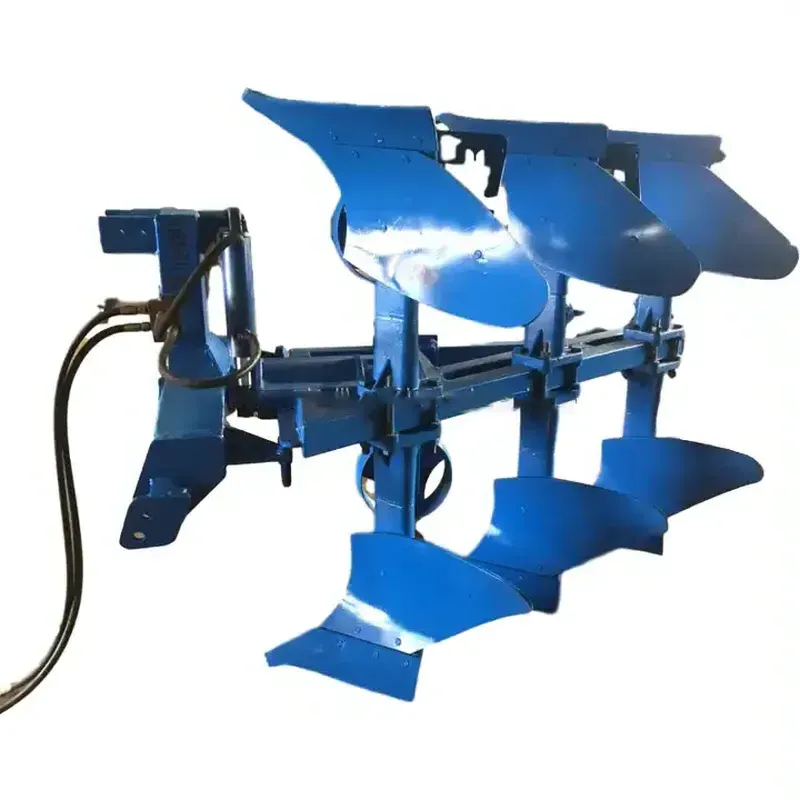
The working principle of a hydraulic reversible furrow plough involves a series of coordinated actions that efficiently turn over the soil and create furrows for planting. Here is a detailed explanation:
1. Attachment to Tractor: Secure connection using a three-point linkage system.
2. Hydraulic Activation: Controls the plough’s reversible mechanism.
3. Soil Cutting and Lifting: Ploughshare cuts into the soil, lifted by the mouldboard.
4. Soil Turning and Inversion: Mouldboard flips the soil, burying crop residues.
5. Depth Control: Maintains consistent soil penetration for even furrows.
6. Reversing the Plough: Hydraulic mechanism flips the plough for continuous operation.
7. Completion and Preparation: Leaves field ready for planting with improved soil structure.
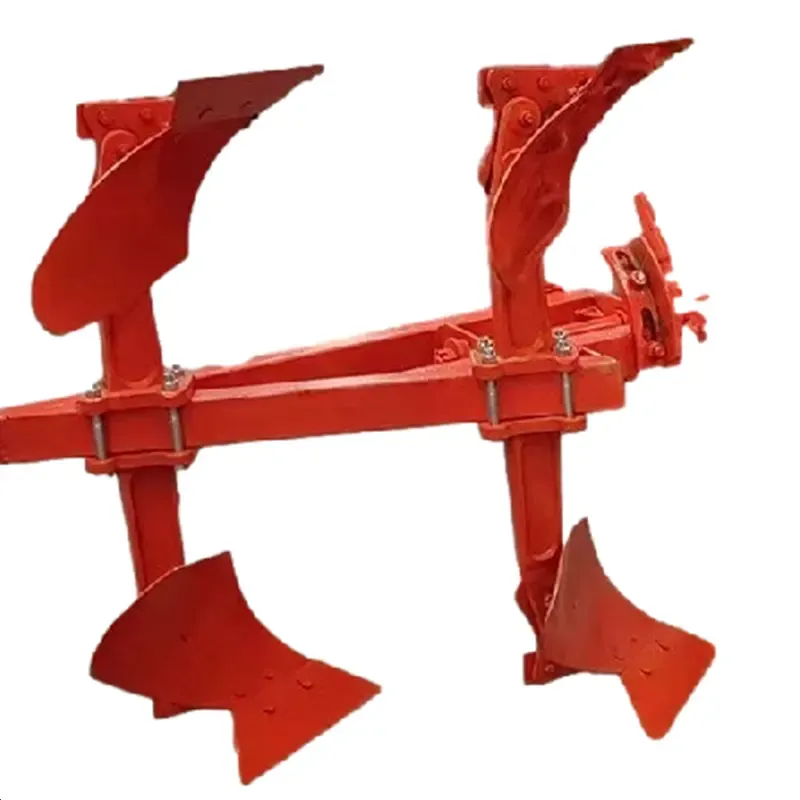
Installation Steps of Bottom Furrow Plough
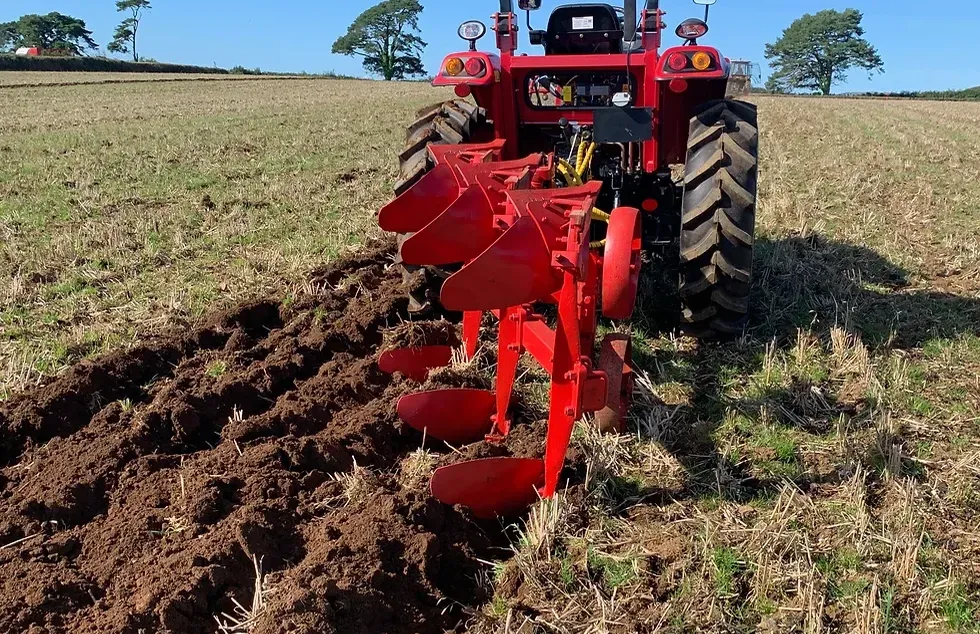
Installing a 3-point mounted hydraulic furrow plough to a tractor involves several steps. Here are the general installation steps:
1. Aligning the Tractor and Plough: Positioning for a smooth connection.
2. Attaching the Lower Link Arms: Forming the base of the three-point system.
3. Securing the Top Link: Maintaining the correct angle during use.
4. Connecting the Hydraulic Hoses: Powering the hydraulic system for reversible action.
5. Adjusting the Plough Settings: Setting depth and angle for optimal performance.
6. Testing the Hydraulic System: Confirming proper operation before use.
7. Final Safety Check: Ensuring all connections are secure for safe operation.
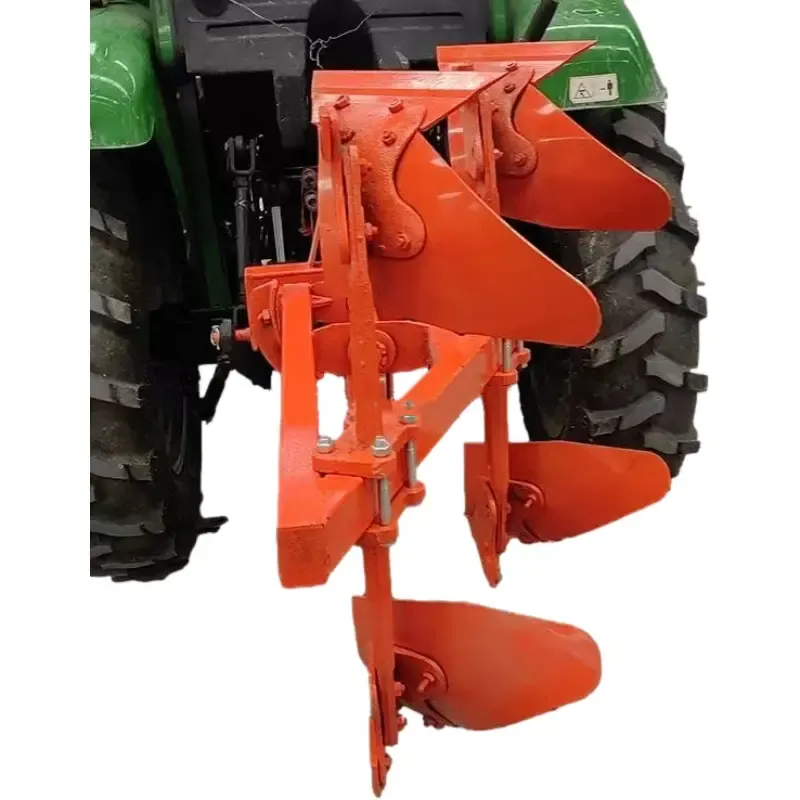
Why Choose EVER-POWER’s Furrow Ploughs?
EVER-POWER is a leading manufacturer and supplier of high-quality furrow ploughs, offering innovative solutions for efficient soil management. With a focus on quality, compatibility, and customer satisfaction, our products stand out for several reasons:
– Professional Expertise: Our team of skilled engineers and technicians ensures top-notch product design and performance.
– International Certifications: We meet stringent quality standards, earning certifications for our commitment to excellence.
– Customizable Solutions: Tailored to meet specific farming requirements, our products offer flexibility and versatility.
– Modern Production Facilities: Equipped with advanced technology, our facility ensures precision manufacturing and timely delivery.
– Exceptional After-Sales Service: We provide reliable support and maintenance services to ensure customer satisfaction and product longevity.
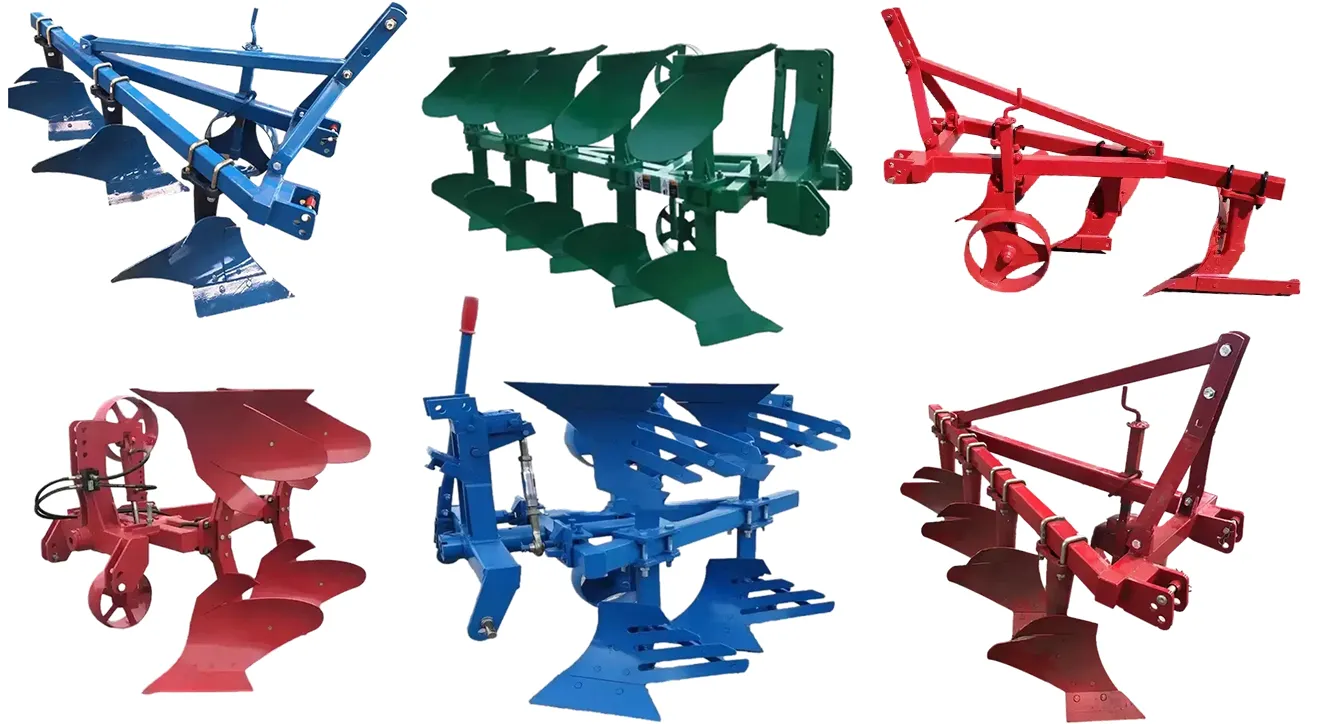
– Diverse Product Range: In addition to furrow ploughs, we offer a wide range of agricultural machinery to meet various farming needs.
Choose EVER-POWER for durable, precise, and adaptable furrow ploughs that enhance your soil management practices and boost crop productivity.
Author: Yjx