Exploring The Environmental Considerations In The Selection And Operation Of Single-Acting Hydraulic Cylinders
Understanding Single-Acting Hydraulic Cylinders
Single-acting hydraulic cylinders are devices that utilize the force of compressed fluid to produce linear motion and perform work in a single direction. These cylinders are often used in applications where a load needs to be moved or lifted in a controlled manner.
Principles of Single-Acting Cylinders
Single-acting cylinders operate on the principle that hydraulic fluid enters the cylinder from one side only, exerting force on the piston to move in one direction. The return stroke is achieved by an external force, such as a spring or gravity.
Differences from Double-Acting Cylinders
- Single-acting cylinders have fluid entering from one side, while double-acting cylinders have fluid entering from both sides.
- Single-acting cylinders require an external force for the return stroke, whereas double-acting cylinders use hydraulic fluid for both directions.
Components and Structure
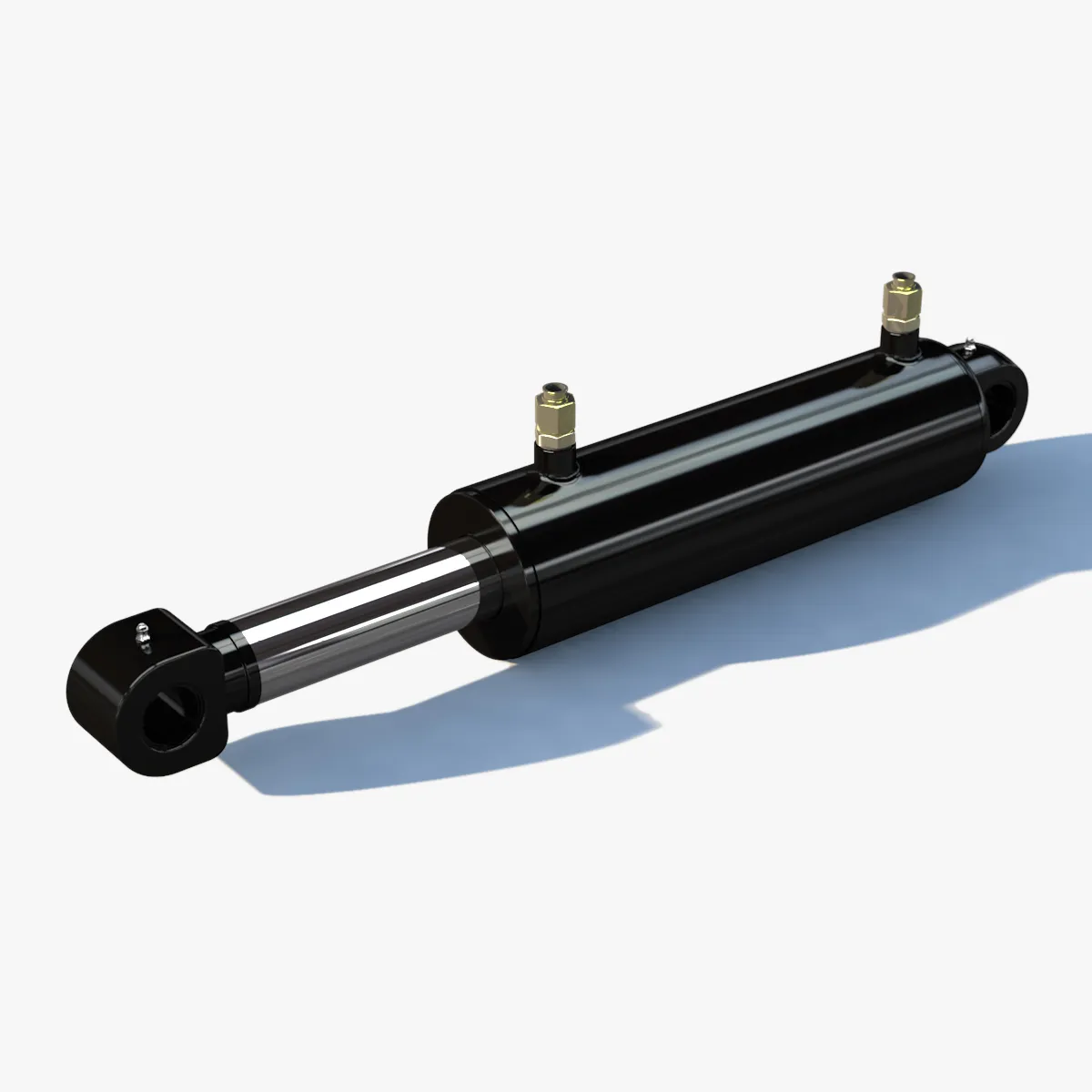
A single-acting hydraulic cylinder consists of a cylinder barrel, piston, rod, seals, and hydraulic fluid. The design and construction of these cylinders are crucial to their performance and reliability.
Working Principle of Single-Acting Cylinders
Single-acting cylinders generate linear force by applying pressure to the piston, which then moves in a specific direction. The stroke control mechanism determines the range of motion, while the performance characteristics include compact design, high load capacity, and leak resistance.
Types and Configurations
Single-acting cylinders come in various types and configurations, such as tie-rod cylinders, welded cylinders, and telescopic cylinders. Each type offers unique advantages and is suitable for different applications.
Advantages of Single-Acting Cylinders
- Compact design
- High load capacity
- Robust construction and leak resistance
- Cost-effective
- Easy maintenance and suitability for harsh industrial environments
Applications of Single-Acting Hydraulic Cylinders
Single-acting cylinders are widely used in various industries, including construction, manufacturing, transportation, and agriculture. These cylinders play a crucial role in machinery and equipment that require controlled linear motion.
Factors to Consider
When selecting a single-acting cylinder for a specific application, factors such as cylinder size, force calculations, stroke length, inner diameter, and rod diameter must be considered. These considerations ensure optimal performance and efficiency.
Sealing Technology and Cylinder Structure
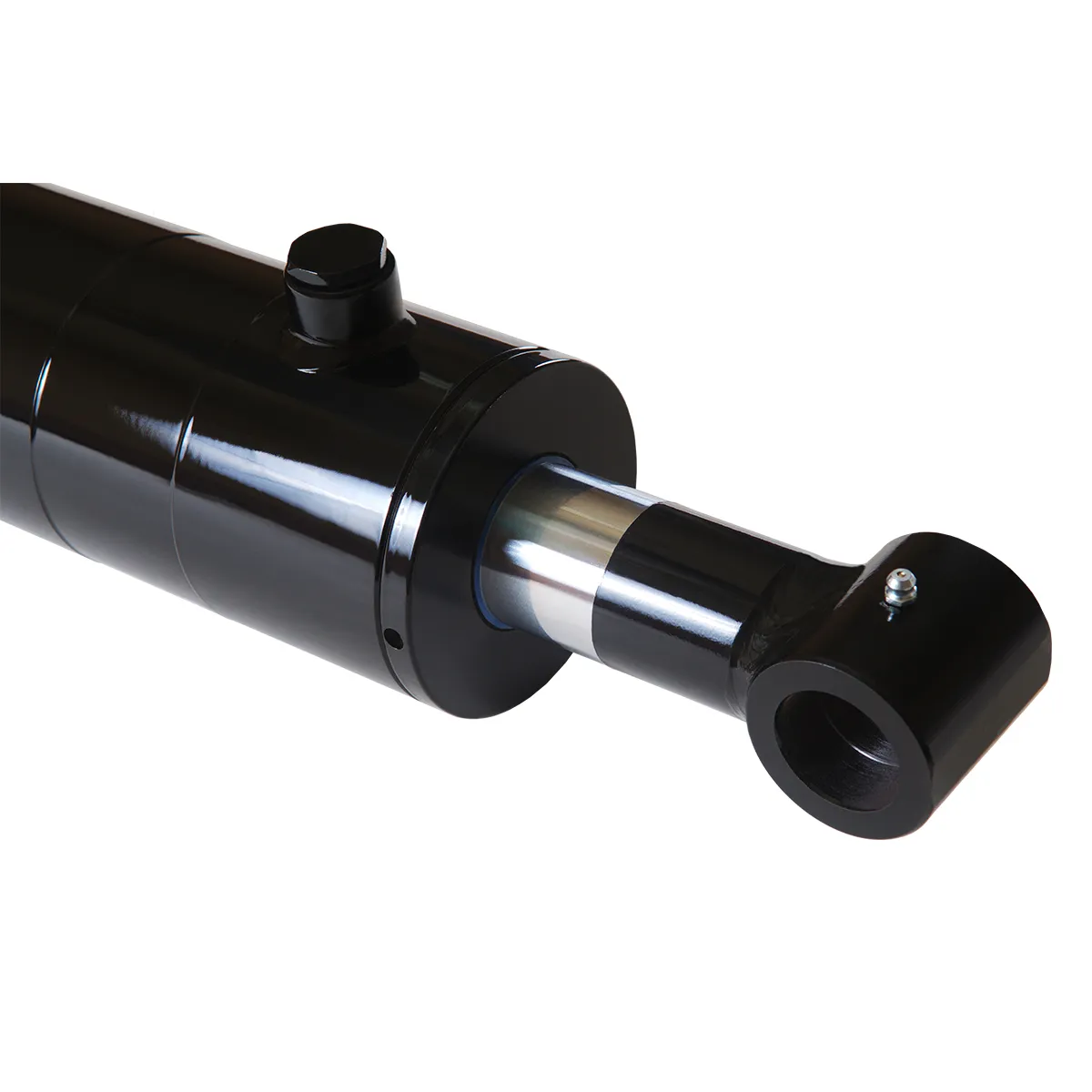
Sealing is essential in single-acting cylinders to prevent leaks and ensure proper functioning. Different sealing materials and cylinder structural components impact the overall performance and longevity of the cylinder.
Control and Maintenance
Controlling cylinder speed and movement is crucial in preventing shock and vibration. Adjustable buffering options can enhance performance and efficiency, while regular inspection and preventive maintenance measures are essential to prolong the lifespan of the cylinder.
Safety Considerations
Safety measures and environmental factors must be considered when using single-acting cylinders to prevent accidents and ensure workplace safety. Proper handling and maintenance reduce the risk of potential hazards.
Fault Diagnosis and Troubleshooting
Diagnosing common problems with single-acting cylinders and implementing troubleshooting solutions can help maintain optimal performance. Understanding fault diagnosis and preventive measures minimizes downtime and maximizes efficiency.
Common Questions
1. The primary function of single-acting hydraulic cylinders is to generate linear force in one direction.
2. Single-acting cylinders generate linear force by applying hydraulic pressure to the piston.
3. Common applications of single-acting cylinders include lifting, pushing, and pulling tasks in various industries.
4. Advantages of using single-acting cylinders include cost-effectiveness, ease of maintenance, and suitability for harsh environments.
5. Extension and retraction movements of single-acting cylinders are controlled by hydraulic pressure and external forces.
Company Overview
We are a leading hydraulic cylinder manufacturer specializing in the production and distribution of single-acting hydraulic cylinders. Our company offers a complete product line, international certifications, customized services, state-of-the-art production equipment, and dedicated after-sales support to meet the diverse needs of our customers.