Does Pulley Size Affect Mechanical Advantage?
In the world of physics and engineering, one of the most commonly asked questions is, “Does pulley size affect mechanical advantage?” Indeed, the relationship between pulley size and mechanical advantage is a crucial consideration in machine design and operation. Understanding this relationship can significantly influence efficiency and performance in systems that utilize pulleys.
Understanding the Basics of Pulleys
A pulley is a simple machine that comprises a wheel on an axle or shaft that may have a groove between two flanges around its circumference. This groove accommodates a rope, cable, or belt. Pulleys are utilized in a variety of ways to lift loads, transmit power, or apply forces. They can be found in numerous applications, from the rigging on sailboats to the engine in your car.
Defining Mechanical Advantage
Mechanical advantage is a measure of the force amplification achieved by using a tool, mechanical device or machine system. Essentially, it is the ratio of the force produced by a machine to the force applied to it. In the context of pulleys, the mechanical advantage can be calculated as the number of supporting ropes (not counting the one being pulled).
The Role of Pulley Size
The size of a pulley – more specifically, its diameter – does not directly influence the mechanical advantage. A pulley system’s mechanical advantage is mostly determined by its configuration, such as whether it’s a fixed or movable pulley system, and the number of pulleys used. However, pulley size can indirectly affect the efficiency and operation of the system.
Indirect Impacts of Pulley Size
While the size of a pulley does not directly affect the mechanical advantage, it can impact other aspects of a pulley system’s operation. Firstly, the diameter of a pulley affects the speed of the belt or rope traveling over it. Larger pulleys rotate at a slower speed compared to smaller ones, given the same shaft speed. This change in speed can affect the system’s overall performance.
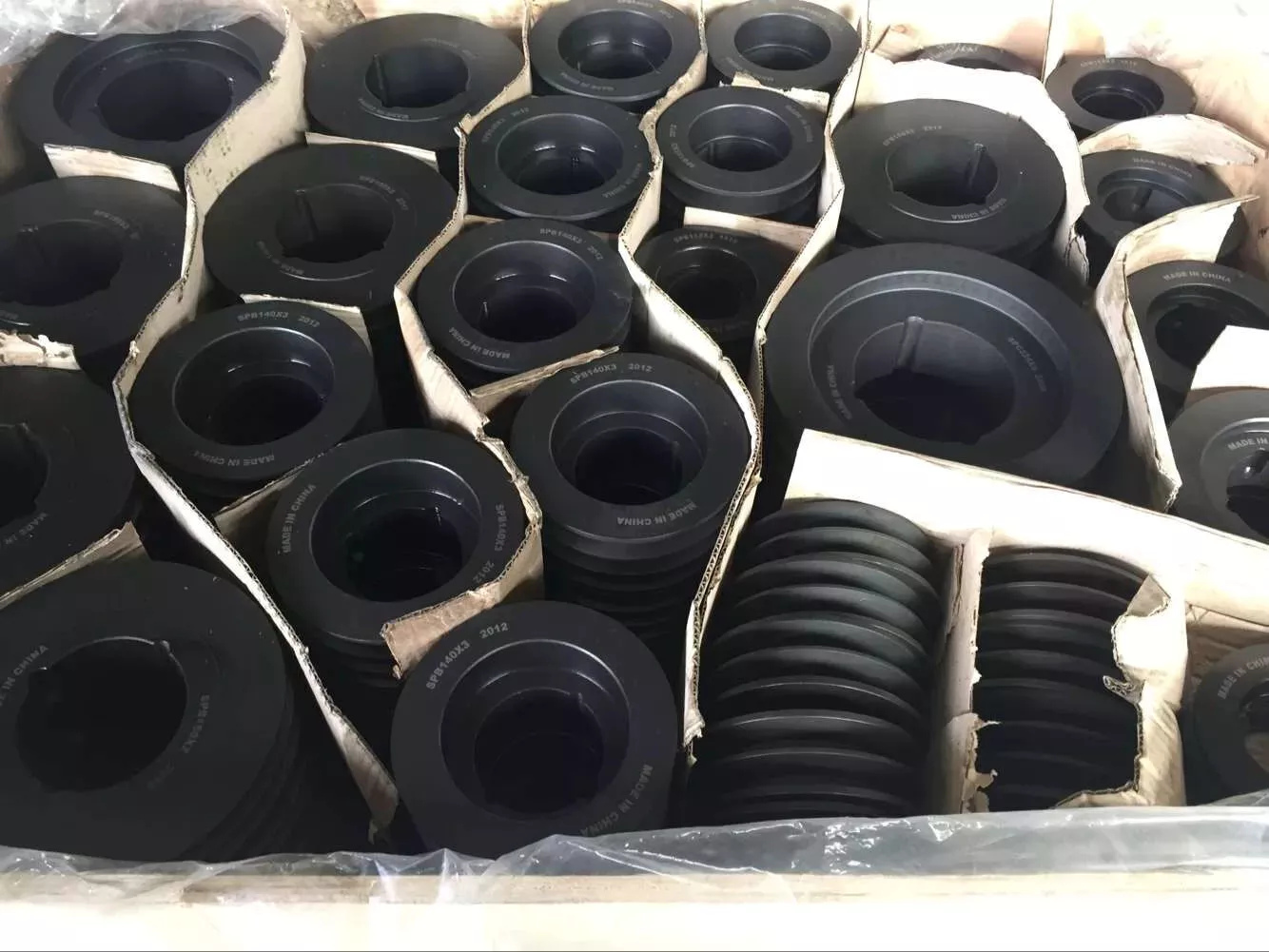
Secondly, the size of a pulley can influence the amount of deflection in the belt or rope. A larger pulley reduces the degree of bending for the rope or belt, resulting in less wear and tear and potentially prolonging its lifespan. Moreover, larger pulleys can handle more tension than smaller ones, which may be an important consideration in heavy-duty applications.
Choosing the Right Pulley Size
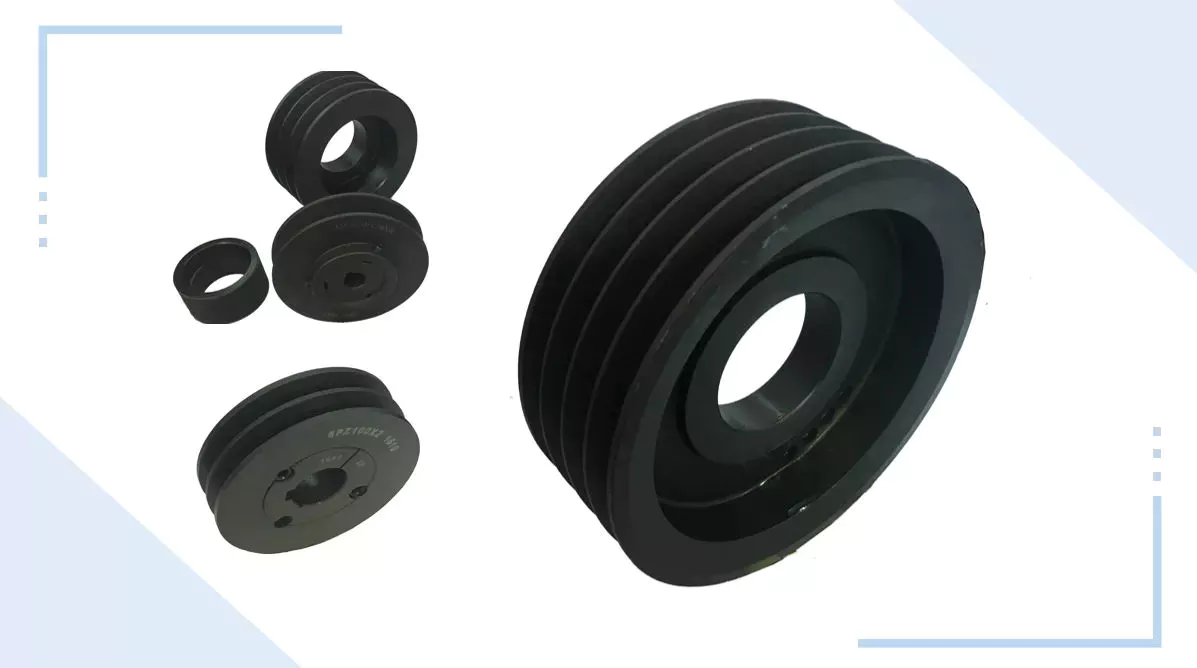
Considering the indirect impacts of pulley size on a system’s operation, choosing the right pulley size is essential when designing a pulley system. It is crucial to have a clear understanding of the required mechanical advantage, the expected load, the speed requirements, and the lifespan of the system. These factors should all be considered when deciding on the most appropriate pulley size.
Conclusion
In conclusion, while the size of a pulley does not directly affect its mechanical advantage, it does have a significant impact on other aspects of a pulley system’s operation. Therefore, understanding the relationship between pulley size and mechanical advantage is crucial in designing and operating efficient and effective pulley systems.
Remember, the choice of pulley size should not be made based solely on mechanical advantage. Other factors such as speed requirements, expected load, and system lifespan should also be taken into account. By carefully considering these elements, you can ensure that your pulley system performs optimally and lasts for a long time.