Does a Pulley Have to Have a Wheel?
The question, “does a pulley have to have a wheel?” is a common one, especially for those unfamiliar with mechanical principles. This article aims to clarify this question, uncovering the ins and outs of pulley systems and their components, including the wheel, which is often a defining part of the pulley system.
Understanding the Pulley System
A pulley system, in its most basic form, consists of a wheel and a rope. The wheel, often referred to as the pulley itself, has a grooved rim where the rope fits. This wheel can be affixed to various objects, enabling it to lift or move loads with less effort. By utilizing the principles of physics and mechanical advantage, the pulley system provides a straightforward and efficient method of lifting or moving heavy objects.
The Role of the Wheel in a Pulley System
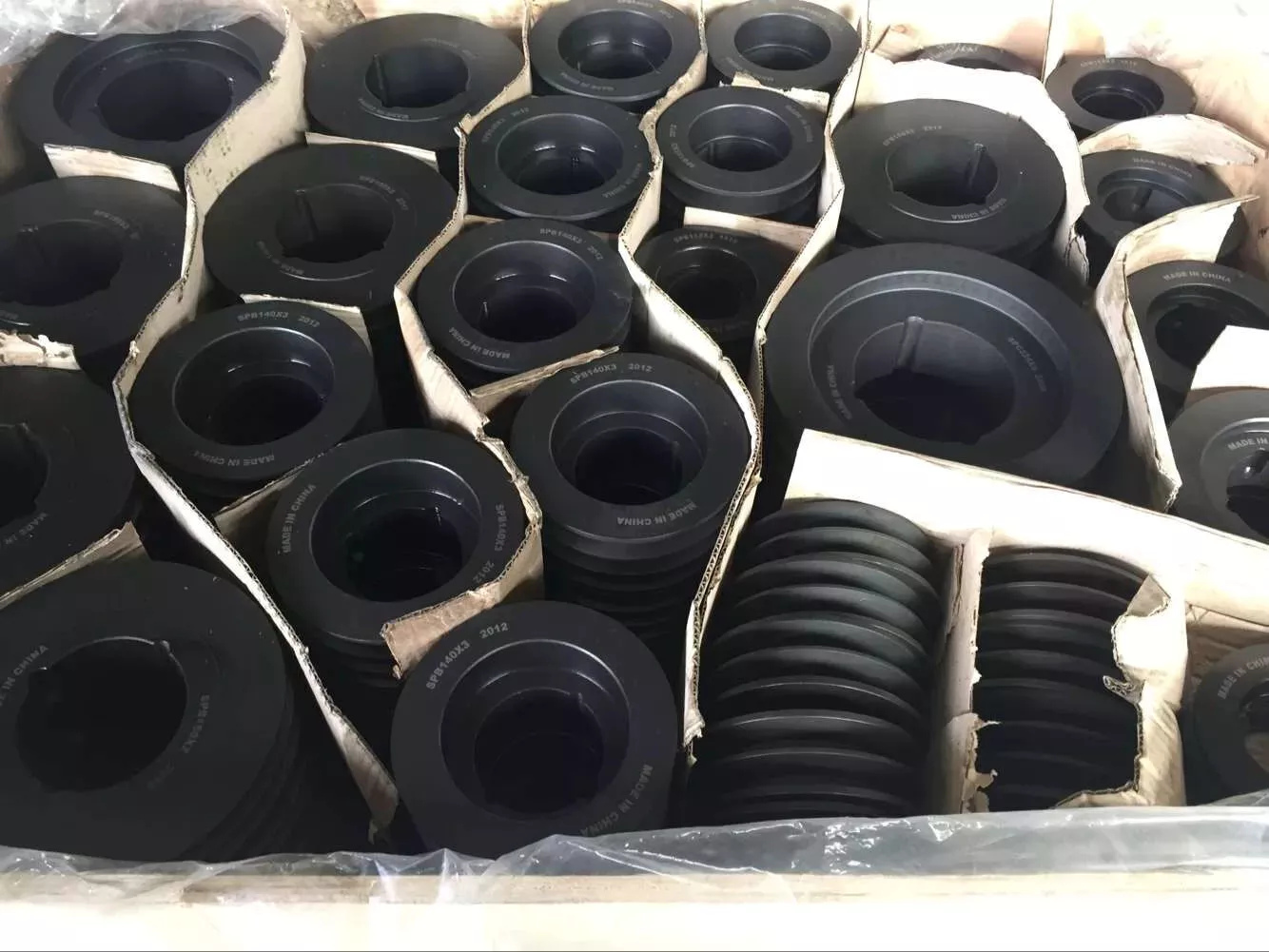
Without the wheel, a pulley system would not function as it’s intended. The wheel in a pulley system serves as the point around which the rope or belt moves. As the wheel rotates, it moves the rope, effectively transferring the force applied at one end to the other end. The wheel’s smooth, round surface and the groove around its rim ensure the rope stays in place, reducing friction and allowing for a smoother, more efficient transfer of force.
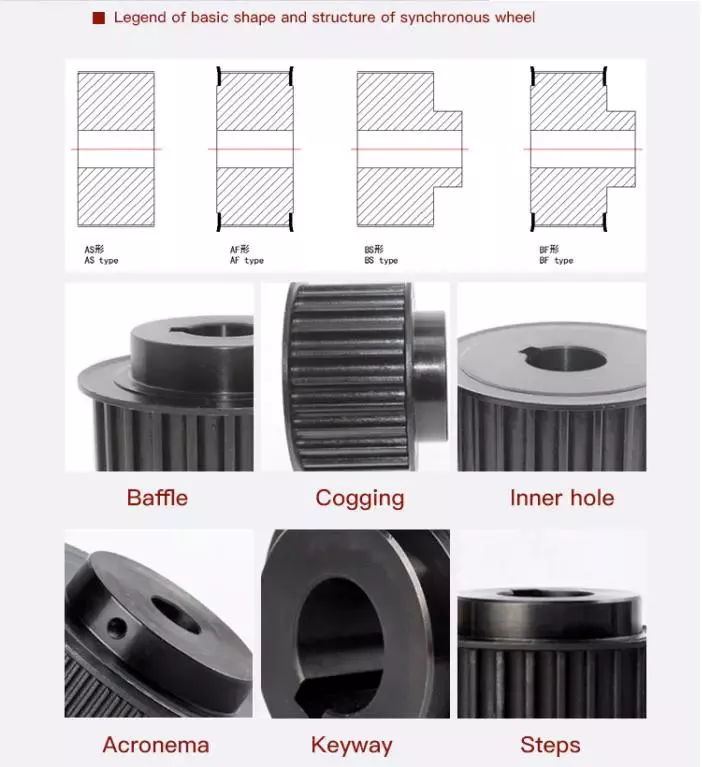
Types of Pulley Systems and Their Wheels
Pulley systems are categorized into three main types: fixed pulleys, movable pulleys, and compound pulleys. Each of these pulley types incorporates a wheel in its design, albeit in different ways and for varying degrees of mechanical advantage.
A fixed pulley has its wheel attached to a solid structure and doesn’t move. The rope slides over the wheel while the load is being lifted. The mechanical advantage here is one, meaning it does not amplify the force applied but changes the direction of the force.
A movable pulley, on the other hand, has its wheel attached to the load itself. This setup provides a mechanical advantage of two, thereby doubling the applied force and making it easier to lift heavier objects.
A compound pulley combines fixed and movable pulleys, providing a greater mechanical advantage by further amplifying the applied force. The wheels in these pulleys work together, with one wheel’s movement driving the other.
Why a Wheel is Essential in a Pulley
The wheel in a pulley system is crucial because it determines the mechanical advantage and efficiency of the pulley. The wheel’s size, material, and design can affect the pulley’s performance. Larger wheels can handle more substantial loads, while smaller wheels are more suited for lighter loads. The material of the wheel can determine its durability, resistance to wear and tear, and the level of friction it produces.
Moreover, the wheel’s design, particularly the groove where the rope fits, is paramount. A well-designed groove ensures the rope stays in place, reducing the likelihood of slippage and enhancing the pulley’s overall efficiency.
Conclusion
In conclusion, the answer to the query, “does a pulley have to have a wheel?” is a resounding yes. The wheel is a fundamental component of any pulley system, serving as the point of rotation for the rope or belt. Without it, the pulley system couldn’t function effectively or provide the mechanical advantage it’s known for. Whether it’s a simple fixed pulley or a complex compound pulley, the wheel plays an integral role in its operation and efficiency.