Disc Coupling Disadvantages
Disc couplings are mechanical devices used to connect two shafts together for transmitting torque. While disc couplings have gained popularity in various industries due to their flexibility and high torque capacity, they are not without their disadvantages.
1. Limited Misalignment Tolerance:
Unlike certain types of couplings, such as flexible couplings, disc couplings have limited misalignment tolerance. They require precise alignment between the shafts to ensure optimal performance and prevent premature wear and failure.
2. Sensitivity to Axial Loads:
Disc couplings are sensitive to axial loads, which are forces acting parallel to the shaft axis. Excessive axial loads can cause the disc pack to deform or even disassemble, leading to a loss of torque transmission and potential system failure. Proper precautions must be taken to avoid or mitigate the effects of axial loads.
3. High Cost:
Compared to some other types of couplings, disc couplings can be relatively expensive to purchase and install. The complex design and high-quality materials required for their construction contribute to their higher cost.
4. Maintenance Complexity:
Disc couplings often require periodic maintenance to ensure their proper operation and longevity. The inspection and replacement of worn or damaged components can be complex and time-consuming, requiring skilled technicians and specialized tools.
5. Limited Torque Capacity:
While disc couplings are known for their high torque capacity, they may not be suitable for applications requiring extremely high torque transmission. In such cases, alternative coupling options with greater torque capacity should be considered.
6. Temperature Sensitivity:
Disc couplings can be sensitive to extreme temperatures. Excessive heat or cold can affect the performance and durability of the coupling, potentially leading to premature failure. Proper temperature monitoring and control are essential to ensure reliable operation.
7. Noise and Vibration:
In some cases, disc couplings can generate noise and vibration during operation. This can be a concern in applications where noise and vibration levels need to be minimized. Additional measures, such as dampening techniques or alternative coupling designs, may be required to mitigate these effects.
What is a disc coupling used for?
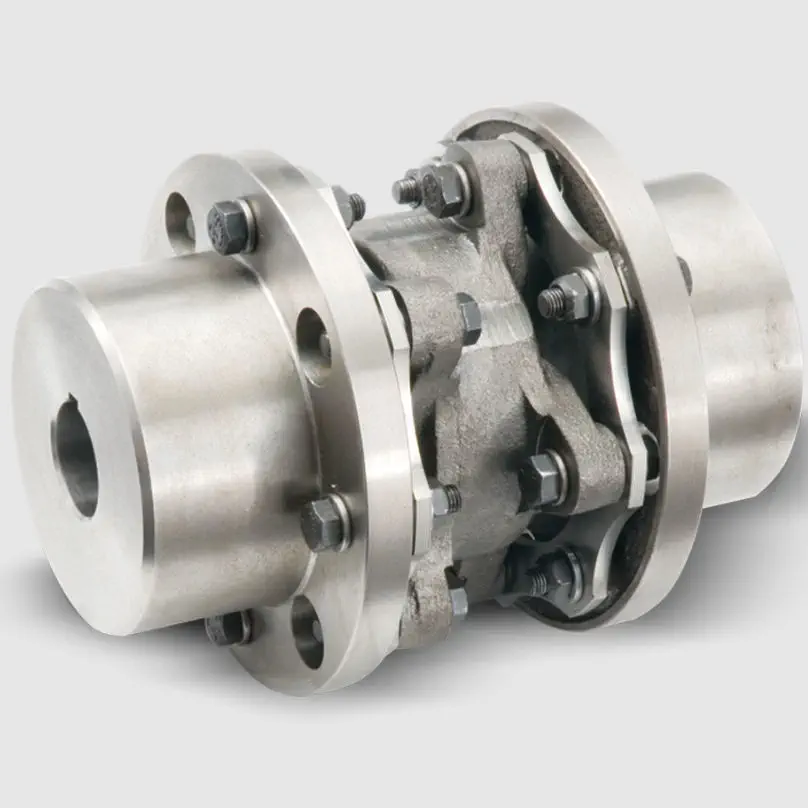
A disc coupling is a type of mechanical coupling that is used to transmit torque from one shaft to another. The coupling consists of two hubs, which are attached to the shafts, and a series of thin, flat discs that are sandwiched between them. The discs are usually made of stainless steel or other high-strength materials, and they are designed to flex slightly when torque is applied.
Disc couplings are used in a wide variety of applications, including:
- Motion control systems: Disc couplings are often used in motion control systems, where precision and accuracy are critical. They can help to minimize backlash and reduce resonance, which can improve the performance of the system.
- Pumps and compressors: Disc couplings are commonly used in pumps and compressors, where they help to transmit torque from the motor to the impeller or compressor wheel. They can help to reduce vibration and noise, and they are often more reliable than other types of couplings.
- Industrial machinery: Disc couplings are used in a wide variety of industrial machinery, including conveyors, mixers, and machine tools. They can help to transmit torque smoothly and efficiently, and they are often more durable than other types of couplings.
- Power generation: Disc couplings are used in many different types of power generation equipment, including gas turbines, steam turbines, and generators. They can help to ensure that the equipment runs smoothly and efficiently, and they can help to prevent downtime and costly repairs.
Overall, disc couplings are an important component in many different types of machinery and equipment. They offer a number of advantages over other types of couplings, including greater reliability, improved performance, and reduced maintenance requirements. If you are designing or building a system that requires a coupling, a disc coupling may be the right choice for your application.
What are the disadvantages of disc coupling?
-
High cost
One of the primary disadvantages of disc coupling is the high cost associated with its production. The materials used in the manufacturing process, including high-quality stainless steel, make it a more expensive option compared to other types of couplings.
-
Low torque capacity
Disc couplings have a lower torque capacity than other types of couplings, such as gear couplings. This means that they may not be suitable for applications that require high torque transfer.
-
Sensitivity to misalignment
Although disc couplings are designed to accommodate some degree of misalignment, they are more sensitive to misalignment than some other types of couplings. If the misalignment is too severe, it can cause premature failure of the coupling.
-
Noisy operation
Disc couplings can produce a significant amount of noise during operation due to the metal-on-metal contact between the disc packs. This can be a concern in applications where noise levels need to be kept to a minimum.
-
Limited flexibility
Disc couplings are not as flexible as some other types of couplings, such as elastomeric couplings. This means that they may not be suitable for applications that require a high degree of flexibility, such as those involving significant amounts of vibration or shock.
-
Difficulty in maintenance
Disc couplings can be difficult and time-consuming to maintain compared to other types of couplings. They require regular inspection and lubrication to ensure optimal performance and prevent premature failure.
In conclusion, while disc couplings offer a number of advantages, such as high torsional stiffness and excellent misalignment capabilities, they also have several disadvantages that must be considered when selecting a coupling for a particular application.
What is the difference between a disc coupling and a diaphragm coupling?
A disc coupling and a diaphragm coupling are both types of flexible couplings used in mechanical systems to transmit torque and accommodate misalignment between rotating shafts. While they serve a similar purpose, there are notable differences between these two types of couplings.
1. Construction:
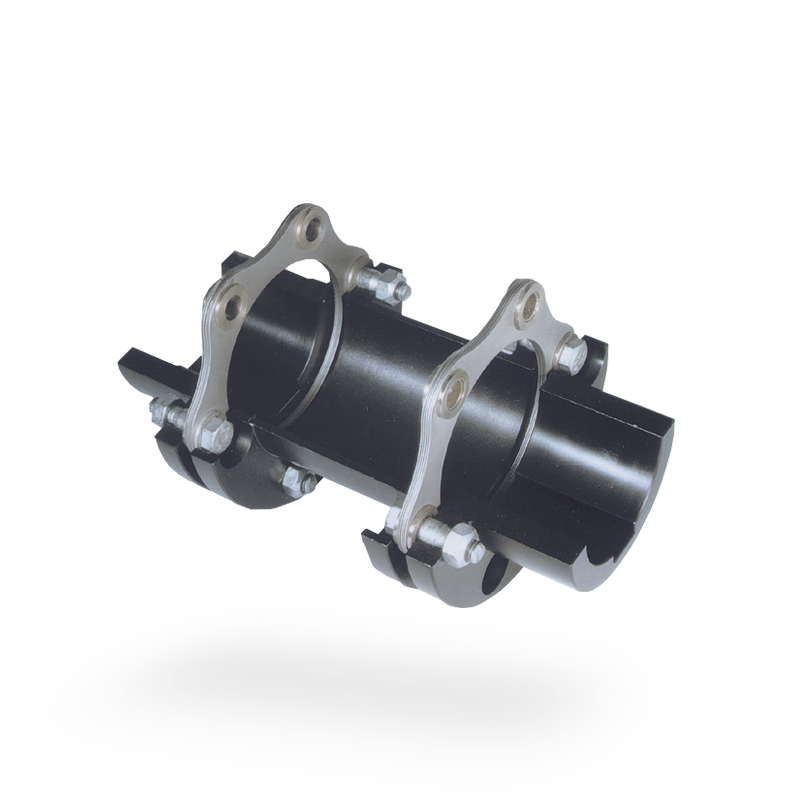
A disc coupling consists of two hubs with flexible metallic discs placed between them. The discs are typically made of stainless steel or other high-strength alloys. Each disc has a series of parallel slots that allow the coupling to flex and accommodate misalignment. The hubs are connected to the shafts to be coupled, and the flexing of the discs enables torque transmission.
On the other hand, a diaphragm coupling consists of two hubs with a thin, flexible diaphragm positioned between them. The diaphragm is typically made of stainless steel and is designed with a series of convolutions. These convolutions enable the diaphragm to stretch and flex, providing flexibility and torque transmission capabilities.
2. Flexibility and Misalignment Compensation:
Both disc and diaphragm couplings are designed to accommodate misalignment between shafts, but they differ in terms of the flexibility they offer. Disc couplings have a higher level of torsional stiffness, making them suitable for applications that require high precision and minimal angular misalignment. The parallel slots in the discs allow for limited axial, angular, and parallel misalignment compensation.
Diaphragm couplings, on the other hand, provide more flexibility and can accommodate higher levels of misalignment. The convolutions in the diaphragm allow for greater angular, axial, and parallel misalignment compensation. This makes diaphragm couplings suitable for applications where misalignment is expected or where shock absorption is required.
3. Torque Transmission and Damping:
Disc couplings provide excellent torque transmission capabilities due to their high torsional stiffness. They can handle high torque loads and provide accurate torque transmission with minimal backlash. However, they offer limited damping characteristics, which means they may not effectively absorb vibrations or shocks in the system.
Diaphragm couplings, on the other hand, offer good torque transmission capabilities and also provide effective damping characteristics. The convoluted design of the diaphragm allows it to absorb vibrations and shocks, protecting the connected equipment from damage and reducing noise levels.
4. Applications:
Due to their higher torsional stiffness and precision capabilities, disc couplings are commonly used in applications such as precision machinery, robotics, and high-speed power transmission systems. They are also suitable for applications that require high torque transmission and minimal angular misalignment.
Diaphragm couplings, with their higher flexibility and misalignment accommodation, are often used in applications such as pumps, compressors, turbines, and other industrial machinery. They can effectively handle misalignment, absorb shocks, and provide reliable torque transmission.
About Ever-Power
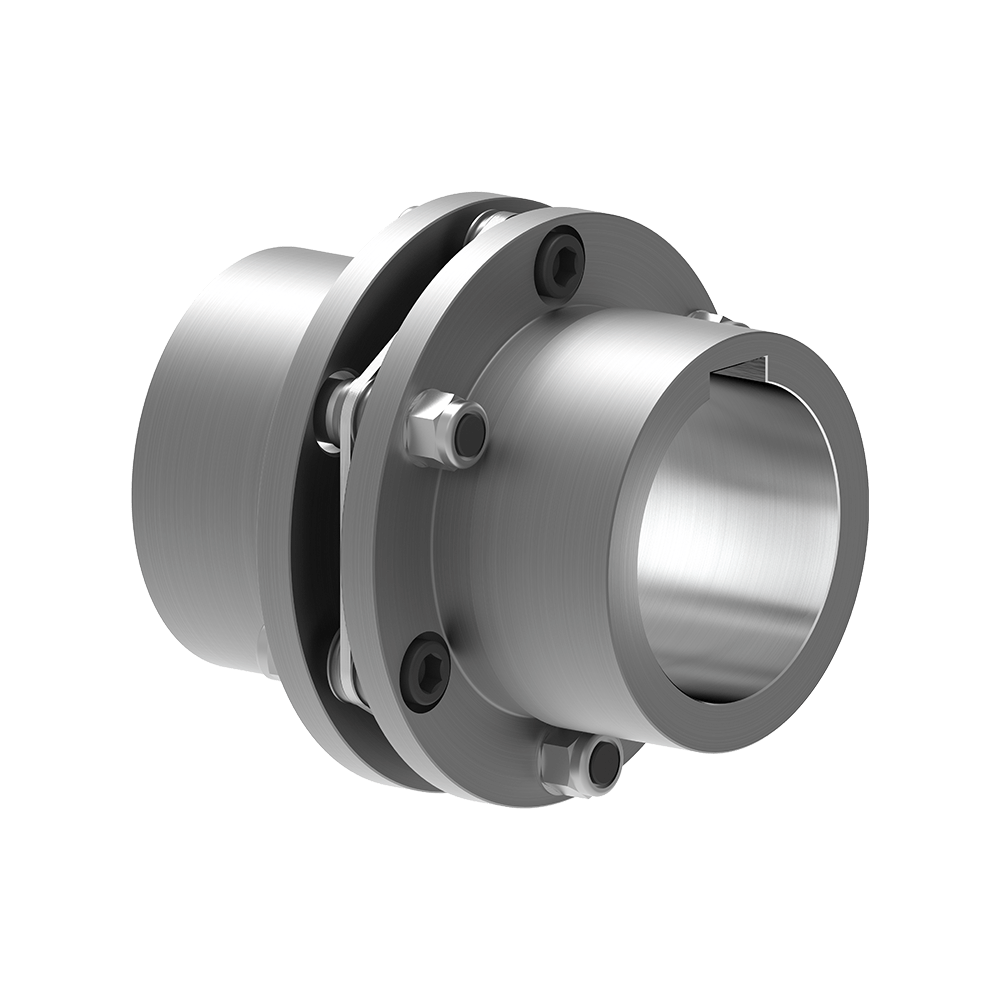
Ever-Power is a leading manufacturer and service provider of disc couplings, offering high-quality transmission equipment for the global market. With our expertise in technology research and development, advanced CNC machining center, and ability to accept non-standard customized couplings without minimum order quantity, we are committed to delivering exceptional products and services to our clients.
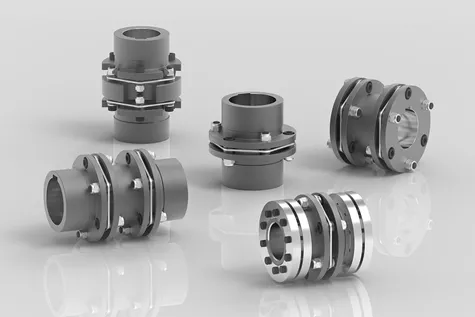
Advantages of our Disc Couplings:
- Superior Buffering and Shock Absorption Performance: Our disc couplings offer excellent buffering and shock absorption capabilities, ensuring smooth and reliable transmission of power.
- Replacement for International Brand Elastic Claw Couplings: With their exceptional performance, our disc couplings can serve as a reliable alternative to other renowned international brand elastic claw couplings.
- Leading Coupling Manufacturer in China: As one of the largest coupling manufacturers in China, we have established a strong presence and reputation in the industry.
- Nationwide Presence and Global Reach: Our products are well-received across various provinces and cities in China, and we also export to countries and regions such as America, Eastern Europe, Southeast Asia, the Middle East, and Oceania.
- Quality Assurance and Timely Delivery: Backed by a professional production team and quality inspection team, we strictly adhere to ISO9001 standards to ensure the highest quality and timely delivery of our products.
At Ever-Power, we combine years of experience in customized services with a reliable quality management system, making us your trusted partner for all your disc coupling needs. Contact us today to discuss how our products can meet your specific requirements.
Author:CX