Introduction to the PTO Wood Chipper
A PTO (Power Take-Off) Wood Chipper is an essential piece of machinery for efficient waste management in landscaping and agricultural practices. This powerful equipment connects to a tractor via a 3-point hitch system and uses the tractor’s PTO to chip wood into smaller, manageable pieces.
Advantages of a PTO Wood Chipper
A PTO Wood Chipper offers several key advantages:
- Efficient Waste Management: It converts wood waste into valuable mulch or compost material.
- Economic Benefit: It reduces waste disposal costs and generates value from waste.
- Less Pollution: It decreases the environmental impact of burning wood waste.
- Reduced Labor: It reduces the effort and time required for manual chipping or disposal.
- Easy to Operate: The tractor’s power makes it easy to handle large volumes of wood waste.
- Versatility: It can handle a wide range of wood sizes, from small branches to large tree trunks.
At EVER-POWER, we manufacture top-quality PTO Wood Chippers that deliver these benefits and more. Our products are built for durability and performance, ensuring they meet your waste management needs.
Applications of the PTO Wood Chipper
The PTO Wood Chipper finds extensive application in:
- Landscaping: For processing tree trimmings and pruned branches.
- Agriculture: For managing waste from tree farms and orchards.
- Forestry: For clearing fallen trees and branches.
- Composting: For creating nutrient-rich compost from chipped wood.
- Mulching: For generating organic mulch to enrich soil fertility.
- Wood Recycling: For producing wood chips for use in wood pellet production or as biofuel.

Structural Components of a PTO Wood Chipper
A Tractor 3-point hitch PTO Wood Chipper is a heavy-duty piece of agricultural or landscaping equipment that’s designed to chip wood into smaller pieces. It connects to a tractor using the three-point hitch system and utilizes the tractor’s PTO to operate. Here’s an overview of the structural components that typically make up this type of wood chipper:
1. 3-Point Hitch Attachment
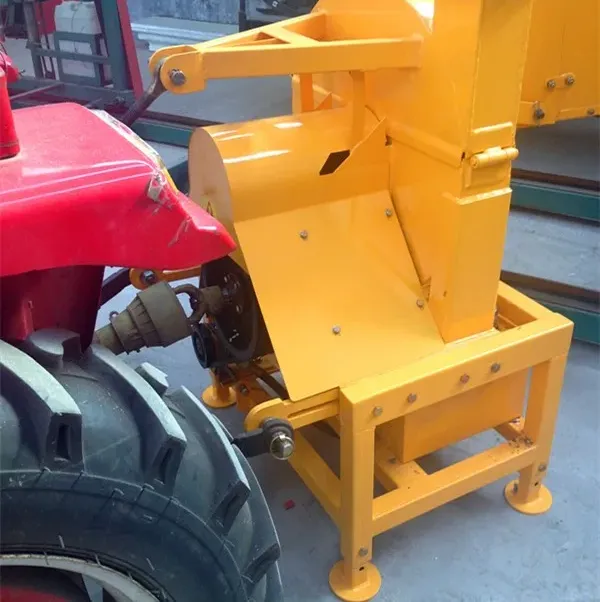
This is the part that connects the wood chipper to the tractor. It consists of two lower arms and one upper arm (forming the “three points”) that attach to corresponding points on the tractor, allowing for easy hookup and stability during operation.
2. PTO Shaft
The PTO shaft is a crucial component that transfers mechanical power from the tractor to the wood chipper. This shaft enables the chipper’s cutting mechanism to function without needing its own engine.
3. Hopper
The hopper is the large funnel-like part where branches, limbs, and other wood debris are fed into the chipper. Its design is important for user safety and efficient feeding of materials into the chipper blades.
4. Chipping Mechanism
This includes the blades or knives that actually chip the wood into smaller pieces. The mechanism typically consists of a heavy-duty steel disc or drum that houses the cutting blades. As the disc spins, the blades cut the wood into chips.
5. Discharge Chute
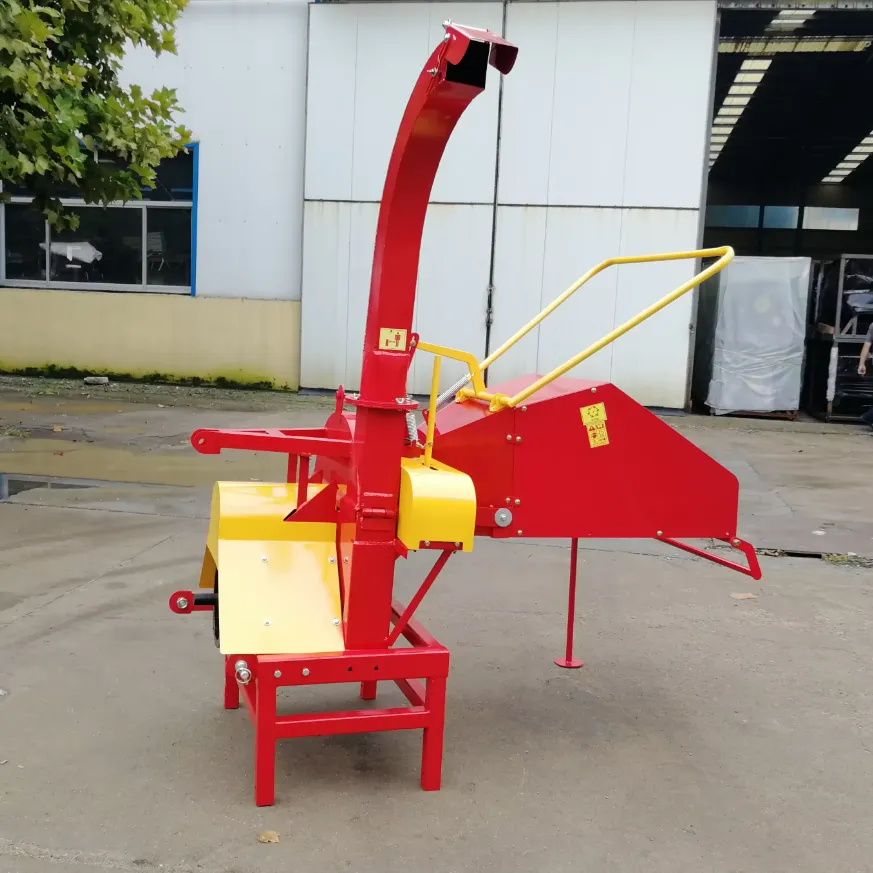
After the wood has been chipped, the pieces are ejected from the machine through the discharge chute. The chute directs the chips away from the machine and into a designated area or container. The angle and direction of the chute are often adjustable.

Working Principle of the Tractor 3 Point Hitch PTO Wood Chipper
The working principle of a tractor 3-point hitch PTO wood chipper involves several key steps and components that work together to chip wood efficiently. Here’s a simplified explanation of how it works:
1. Connection and Power Transfer
The wood chipper is attached to the tractor using the three-point hitch system, which includes two lower arms and one upper arm. This system provides a stable and secure attachment to the tractor. Once the PTO shaft is connected, the wood chipper’s PTO shaft is linked to the tractor’s PTO stub. The tractor’s PTO is engaged, transferring rotary power from the tractor’s engine to the wood chipper.
2. Wood Feeding
Operators feed branches, limbs, and other wood debris into the chipper through the hopper. This component is designed to guide the wood safely into the chipping mechanism while keeping the operator at a safe distance from the cutting blades.
3. Chipping Process
Inside the wood chipper, the PTO’s power activates the chipping mechanism, typically a rotating disc or drum equipped with sharp blades. As the wood enters the chipping area, the rotating blades cut the wood into small chips. The speed and efficiency of the chipping process depend on the power of the tractor, the design of the chipping mechanism, and the size and type of wood being chipped.
4. Discharge Chute
After the wood has been chipped, the pieces are expelled from the machine through the discharge chute. This chute directs the wood chips away from the machine, often into a collection container or onto the ground. The orientation of the chute can usually be adjusted to control the direction of the discharged chips.
5. Control and Adjustments
Operators can make adjustments to the chipper, such as changing the chip size or modifying the feed rate, depending on the specific model of the wood chipper and its features. These adjustments are made through control mechanisms on the chipper.

PTO Wood Chipper Installation Operation
Installing a 3-point hitch PTO wood chipper to a tractor involves several steps to ensure a secure and proper connection for safe operation. Here’s a general guide on how to do this.
1. Inspect Equipment
Check both the tractor and the wood chipper for any damage or wear that could affect operation or safety. Ensure the PTO shafts on both the tractor and chipper are in good condition. Position your tractor on level ground and bring the wood chipper close to the rear hitch area of the tractor. Make sure both are turned off with keys removed to prevent accidental starting.
2. Aligning the 3-Point Hitch
Use the tractor’s controls to lower the 3-point hitch to its lowest position. This makes it easier to align the attachment points of the wood chipper with the hitch arms and top link of the tractor. Move the wood chipper so that its three-point hitch attachment points line up with the corresponding hitch arms (lower links) and top link on the tractor. You might need assistance or use a jack to adjust the height of the chipper.
3. Connecting the Hitch
Attach the lower arms of the 3-point hitch to the mounting points on the wood chipper. Use the locking pins provided to secure them in place. Connect the top link between the chipper and the tractor’s top link attachment point. Adjust the length of the top link to ensure the chipper is level or as recommended in the manual.
4. Connecting the PTO Shaft
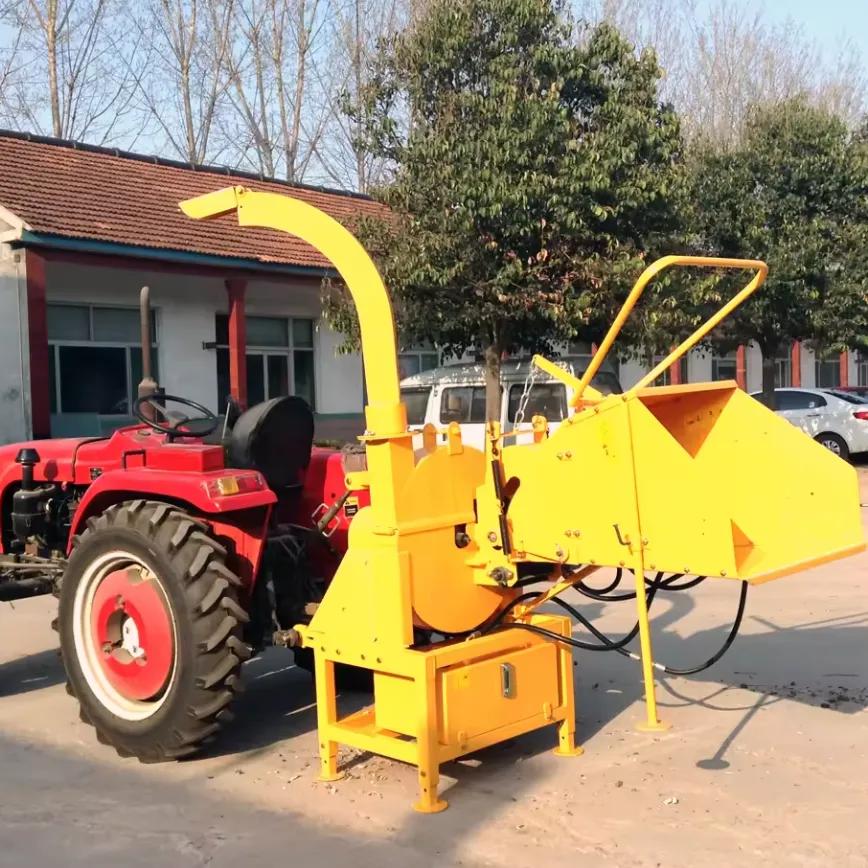
Align the PTO shaft of the wood chipper with the PTO stub on the tractor. Ensure the shaft is the correct length; you may need to adjust it according to the manufacturer’s instructions. Slide the PTO shaft onto the tractor’s PTO stub, making sure the locking pins engage securely. Check that the safety chains or guards are properly attached and that the shaft can rotate freely without interference.
5. Inspect the Installation
Double-check all connections to ensure they are secure. Make sure there are no loose parts and that the chipper is properly aligned with the tractor. Verify that all safety shields and guards are in place on both the PTO shaft and the wood chipper. Check the area for bystanders or obstacles before starting.
6. Test Run
Start the tractor and engage the PTO at a low RPM to ensure everything is working correctly. Listen for any unusual noises or vibrations that could indicate a problem. Disengage the PTO and inspect again if necessary.
Choose the Right PTO Shaft for Your Wood Chipper
Choosing the right PTO shaft for a tractor 3-point hitch PTO wood chipper involves considering several factors to ensure compatibility, safety, and efficiency. Here’s a guide to help you select the appropriate PTO shaft:
1. Determine the PTO Size and Speed
Check your tractor’s PTO output size and speed. Common sizes are 540 RPM (revolutions per minute) and 1000 RPM, with shaft diameters typically at 1 3/8 inches for 540 RPM and 1 3/4 inches for 1000 RPM. Your wood chipper must be compatible with the tractor’s PTO size and speed.
2. Wood Chipper Requirements
Verify the input requirements of your wood chipper, focusing on the recommended PTO size (diameter) and operational speed (RPM). The chipper should specify the necessary power input in terms of RPM and horsepower (HP) compatibility.
3. Length of the PTO Shaft
Measure the distance between the tractor’s PTO and the chipper’s PTO connection point when they are hitched together. Consider both the length when the tractor and chipper are in a straight line and when they are at the maximum angle of operation. PTO shafts are often designed to be cut or adjusted to the right length. An overly long shaft can lead to entanglement or disengagement, while a too-short shaft can disconnect or cause excessive wear.
4. Torque and Power Rating
Ensure that the PTO shaft’s torque and power rating matches or exceeds the maximum output of the tractor and the input requirements of the wood chipper. Using a shaft with a lower rating than required can lead to dangerous failures.
5. Safety Features
Some PTO shafts come with safety features like a shear bolt or a slip clutch to protect the tractor, chipper, and shaft in case of a jam or overload. A shear bolt is designed to break under excessive load, while a slip clutch will slip, preventing torque overload. Ensure the PTO shaft is equipped with proper safety guarding to protect operators from entanglement hazards. The guards should be intact and functional, covering the rotating shaft completely.
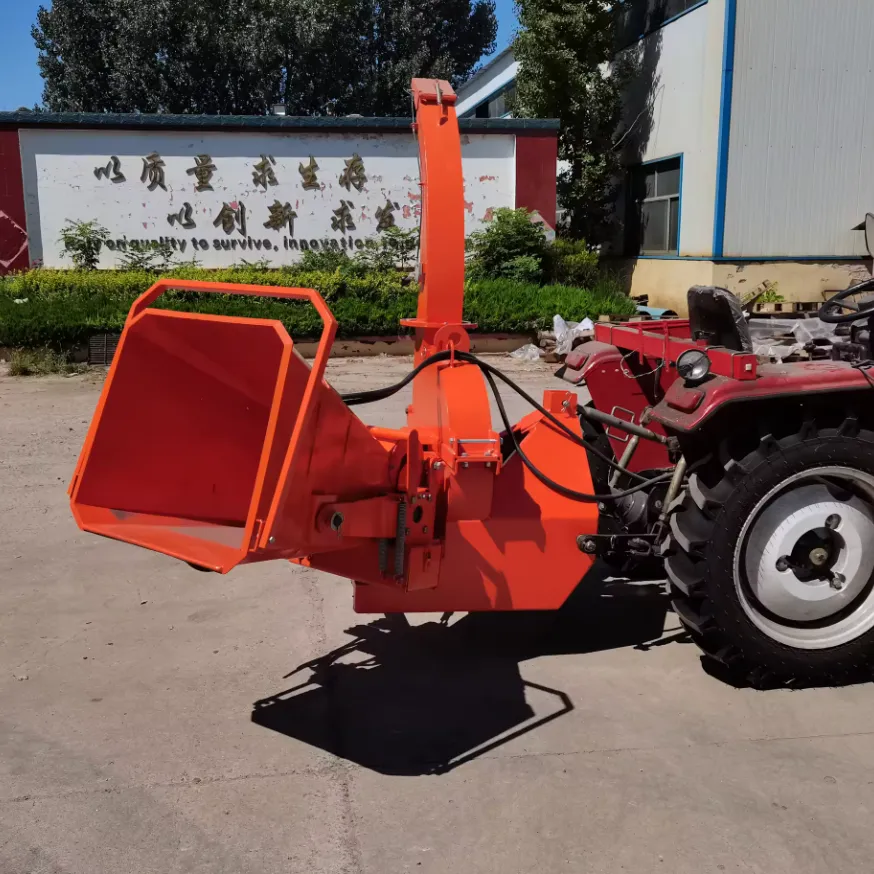
Why Choose EVER-POWER’s PTO Wood Chipper?
EVER-POWER Agricultural Machinery Co., Ltd. has been engaged in the research and development of agricultural machinery. We have accumulated more than ten years of experience in production, and mainly produce farming machinery, planting machinery, harvesting machinery and its accessories, and matching machines.
- Professionalism: With over a decade of experience, we have the expertise to manufacture top-quality PTO Wood Chippers that meet global standards.
- International Certifications: Our products are certified by international bodies, ensuring they meet quality and safety standards.
- Customized Services: We offer customized solutions to meet unique customer requirements.
- Production Facilities: Our state-of-the-art production facilities ensure efficient manufacturing and quality control.
- After-Sales Services: We provide excellent after-sales service, offering quick and effective solutions to any product issues.

Author: Yjx