Introduction to Drive Pulley
-
Design and Working Principle of Drive Pulley
The drive pulley is a key component in conveyor systems, responsible for transmitting power and motion to the conveyor belt. It typically has a larger diameter than other pulleys to increase belt traction and reduce slipping. The design of the drive pulley includes a central hub, outer drum, and lagging material to enhance friction with the belt. The working principle involves the rotation of the pulley, which in turn moves the conveyor belt and transports materials along the system.
Types and Materials of Drive Pulley
-
Type 1: Drum Pulley
Drum pulleys are cylindrical in shape and commonly used in heavy-duty applications to provide high strength and durability.
-
Type 2: Wing Pulley
Wing pulleys have protruding wings on the sides to help improve belt tracking and prevent material buildup.
-
Type 3: Spiral Wing Pulley
Spiral wing pulleys have spiral wings that aid in self-cleaning and material discharge, ideal for applications with sticky materials.
-
Type 4: Ceramic Lagging Pulley
Ceramic lagging pulleys have a ceramic surface for enhanced grip and wear resistance, suitable for abrasive materials.
-
Material: Steel, Stainless Steel, Ceramic, Rubber
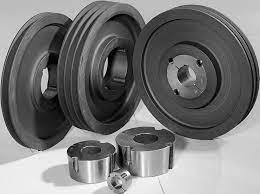
Drive pulleys can be made from various materials such as steel for strength, stainless steel for corrosion resistance, ceramic for high wear applications, and rubber for improved friction and grip.
What is the function of the driving pulley?
- Transmit power from the motor to the conveyor belt
- Create tension in the belt to prevent slippage
- Control the speed and direction of the belt
- Support and guide the conveyor belt
- Enhance traction between the pulley and belt
- Facilitate the movement of materials along the conveyor system
Advantages of Drive Pulley
- High durability and long service life
- Efficient power transmission
- Improved belt tracking and alignment
- Enhanced material handling capabilities
- Customizable designs to suit specific applications
Process of Drive Pulley
- Mold: Design and create the mold for the drive pulley
- Casting: Pour molten material into the mold to form the pulley shape
- Raw Materials: Select high-quality materials for manufacturing
- Production: Manufacture the drive pulley according to specifications
- Testing: Conduct quality control tests to ensure performance
- Antirust treatment: Apply coatings to prevent corrosion
- Separate Inspection: Check each pulley individually for quality control
- Marking: Label the drive pulley with relevant information for identification
What is the difference between a drive pulley and a head pulley?
- Drive Pulley: Transmits power to move the conveyor belt
- Head Pulley: Located at the discharge end of the conveyor system
- Drive Pulley: Provides the driving force for the conveyor system
- Head Pulley: Redirects the belt to the unloading point
- Drive Pulley: Usually larger in size compared to head pulley
- Head Pulley: Often has a crowned surface for better belt tracking
- Drive Pulley: Essential for the operation of the conveyor system
About HZPT
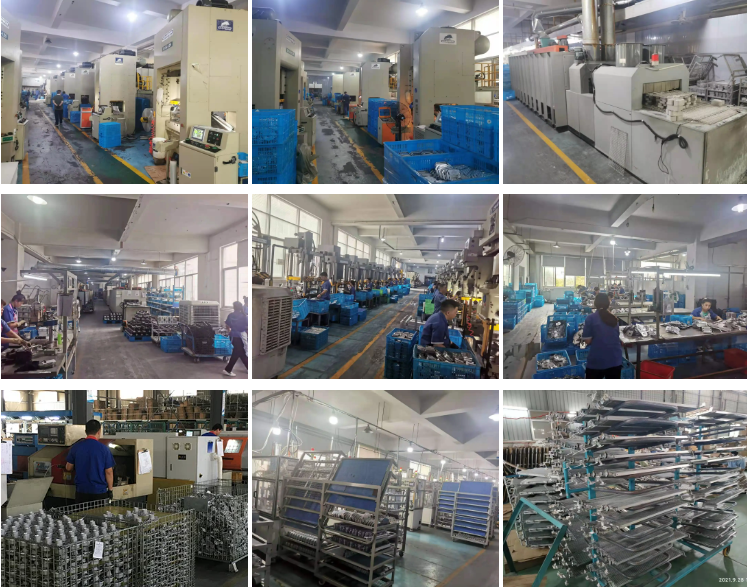
Our company, HZPT, established in 2006, is a leading manufacturer of precision transmission components based in Hangzhou. We specialize in producing various engineered parts and can customize products to meet your specific requirements. With a focus on quality and speed, we have gained a reputation for excellence in Europe and America. We offer top-notch services, high product quality, and competitive prices. Our production capabilities include mold design, casting, quality testing, and anti-rust treatment. We take pride in our efficient one-stop assembly services, saving time and costs for our clients. Join us at HZPT for the best products and services tailored to your needs!