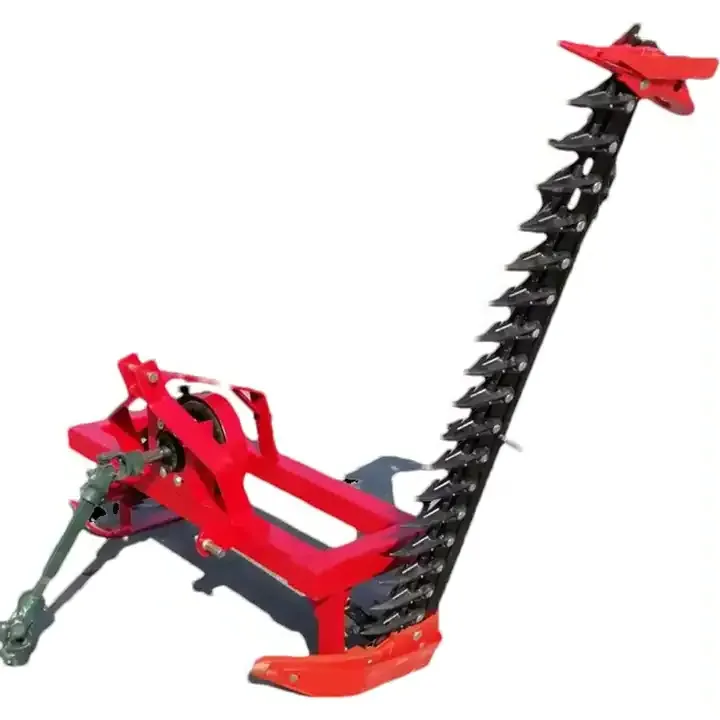
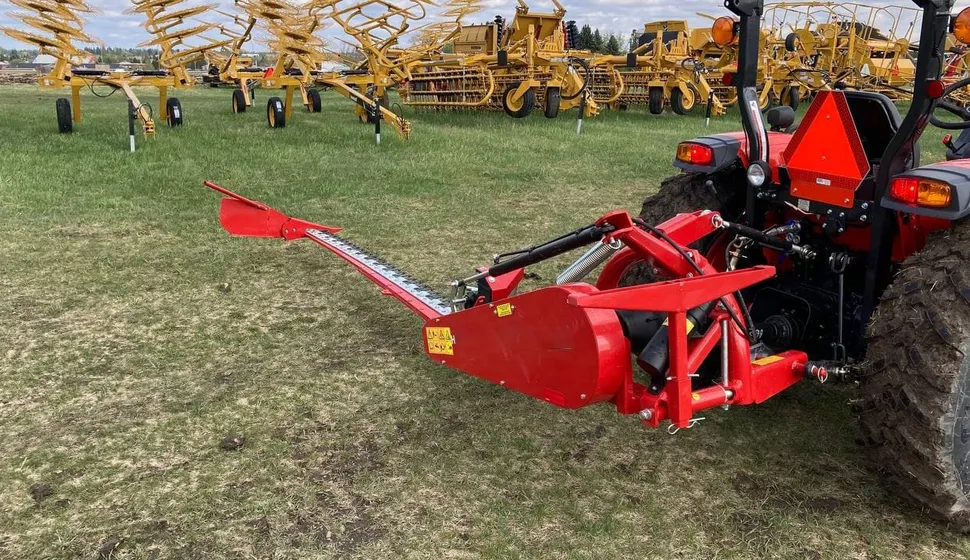
The compact tractor PTO driven sickle bar mower is an essential piece of equipment designed specifically for vineyard maintenance. It attaches to the power take-off (PTO) of a compact tractor, utilizing the tractor’s engine power to operate. This mower features a horizontal bar equipped with sharp, reciprocating blades that cut through grass, weeds, and small shrubs efficiently.
One of the primary advantages of the sickle bar mower is its ability to operate in tight spaces, such as between vineyard rows. Its design allows for precise mowing without damaging the vines or the trellises. The sickle bar can adjust to various angles, making it highly versatile for uneven terrains and slopes commonly found in vineyards.
In addition to its precision and adaptability, the mower is praised for its low maintenance and durability. The simple mechanical design requires minimal upkeep, ensuring long-term reliability. This tool is invaluable for vineyard managers seeking to maintain a clean and healthy environment for optimal grape growth and harvest.
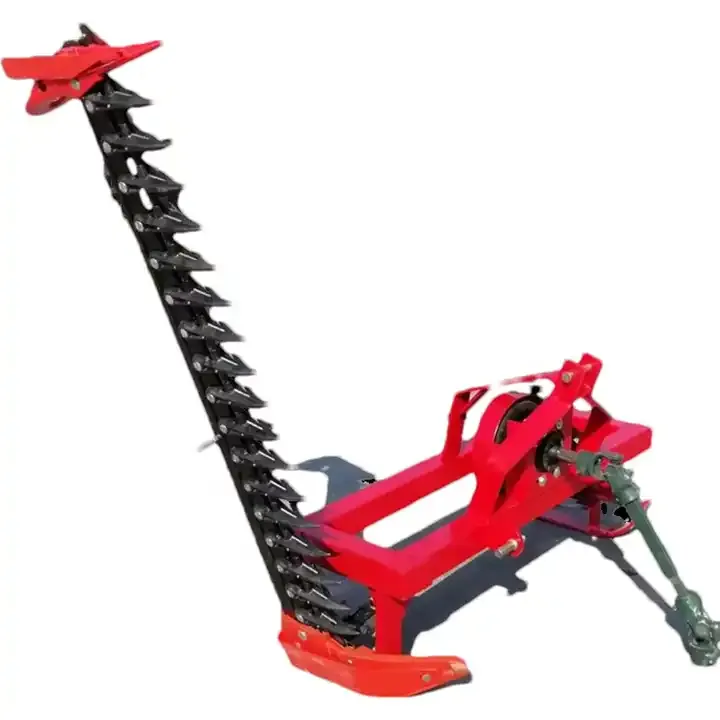
Advantages of Sickle Bar Mower for Vineyard Maintenance
Using a compact tractor-mounted sickle bar mower for vineyard maintenance offers several advantages tailored to the specific needs of vineyards:
- Precision Mowing: The sickle bar mower provides exceptional precision, allowing vineyard managers to meticulously trim grass and weeds without damaging the vines. Its sharp, reciprocating blades enable close mowing along vine rows, ensuring optimal sunlight exposure and air circulation. This precise control is crucial for maintaining the health and productivity of the vineyard, directly impacting grape quality.
- Versatility on Terrain: Designed to handle diverse terrains, the sickle bar mower can efficiently operate on slopes and uneven ground. Its ability to adjust to various angles makes it ideal for vineyards situated on hillsides or with irregular landscapes. This versatility ensures consistent vegetation management, promoting a uniform appearance and facilitating easier vineyard navigation.
- Adjustable Cutting Height: The mower’s adjustable cutting height allows vineyard managers to tailor the mowing process to specific needs. Whether dealing with tall weeds or maintaining a low grass level, the sickle bar mower can adapt accordingly. This flexibility ensures that the vineyard remains tidy and well-maintained, supporting the overall health of the vines and improving aesthetics.
- Compact Design: Its compact design enables the sickle bar mower to navigate tight spaces between vineyard rows with ease. This feature is particularly beneficial for vineyards with narrow aisles, where larger machinery might struggle. The compactness not only enhances maneuverability but also reduces the risk of accidental vine damage, ensuring efficient and safe operations.
- Durable Construction: Built to withstand the demands of regular vineyard maintenance, the sickle bar mower boasts a durable construction. Its robust materials and simple mechanical design mean it requires minimal maintenance while offering long-lasting performance. This durability translates to cost savings on repairs and replacements, making it a reliable investment for vineyard managers.
- Versatile Applications: Beyond vineyard maintenance, the sickle bar mower can be used for various agricultural tasks, such as maintaining orchards or managing cover crops. Its versatility makes it a valuable tool for diverse settings, maximizing its utility across different farm operations. This multifunctionality enhances its value, providing a comprehensive solution for agricultural upkeep.
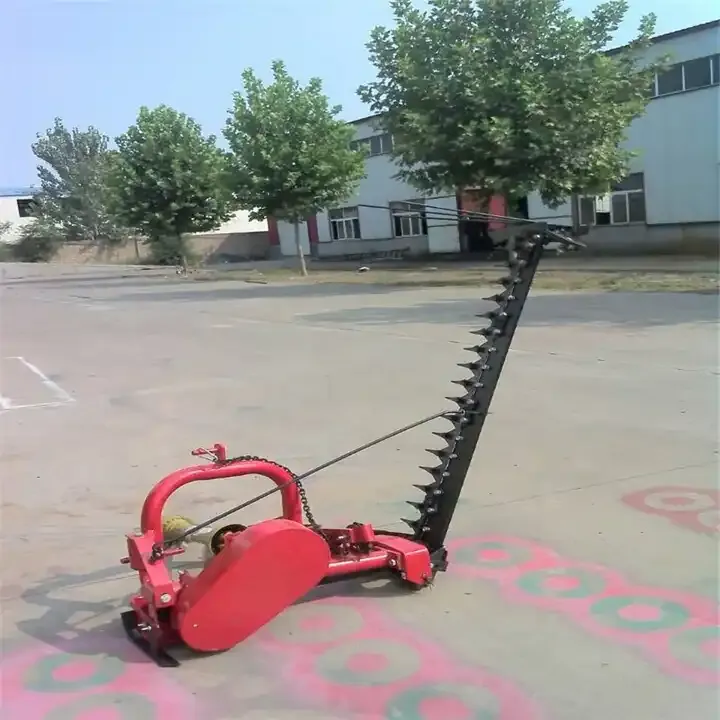
Common Applications:
Sickle bar mowers are versatile and widely used in various agricultural and landscaping settings due to their ability to efficiently cut grass and small vegetation. Here are some of the common applications of sickle bar mowers:
- Vineyard Maintenance: Sickle bar mowers are ideal for vineyard maintenance, allowing precise cutting between rows without damaging vines. Their ability to navigate tight spaces ensures efficient grass and weed control, which is essential for optimizing sunlight exposure and airflow. This maintenance promotes healthy grape growth and enhances the overall quality and yield of the vineyard.
- Orchard Management: In orchards, sickle bar mowers help manage the grass and undergrowth beneath trees. Their design allows for careful mowing without harming tree trunks or roots. By keeping the orchard floor clear of excessive vegetation, these mowers contribute to better pest control, reduced fire risk, and improved access to harvesting and other essential orchard activities.
- Roadside Maintenance: Sickle bar mowers are effective for roadside maintenance, trimming grass and weeds along highways and rural roads. Their ability to handle uneven terrains makes them suitable for slopes and ditches. Regular roadside mowing improves visibility and safety for drivers, reduces fire hazards, and maintains an aesthetically pleasing environment for communities.
- Pasture Maintenance: In pastures, these mowers help manage grass and weed growth, ensuring a healthy environment for livestock. By maintaining the optimal height of forage, sickle bar mowers support better grazing conditions and prevent the spread of invasive species. This maintenance is crucial for sustaining pasture productivity and promoting the well-being of grazing animals.
- Forestry Maintenance: Sickle bar mowers are used in forestry to manage vegetation undergrowth, reduce fire risk, and promote healthy tree growth. Their ability to cut through dense brush and small saplings makes them valuable for maintaining firebreaks and access paths. This application is essential for sustainable forest management and conservation efforts.
- Landscaping Maintenance: In landscaping, sickle bar mowers are employed to maintain large grassy areas, parks, and recreational fields. Their precision and efficiency make them suitable for creating well-manicured landscapes. By keeping grass at the desired height, these mowers enhance the aesthetic appeal of public and private spaces, contributing to attractive and functional outdoor environments.
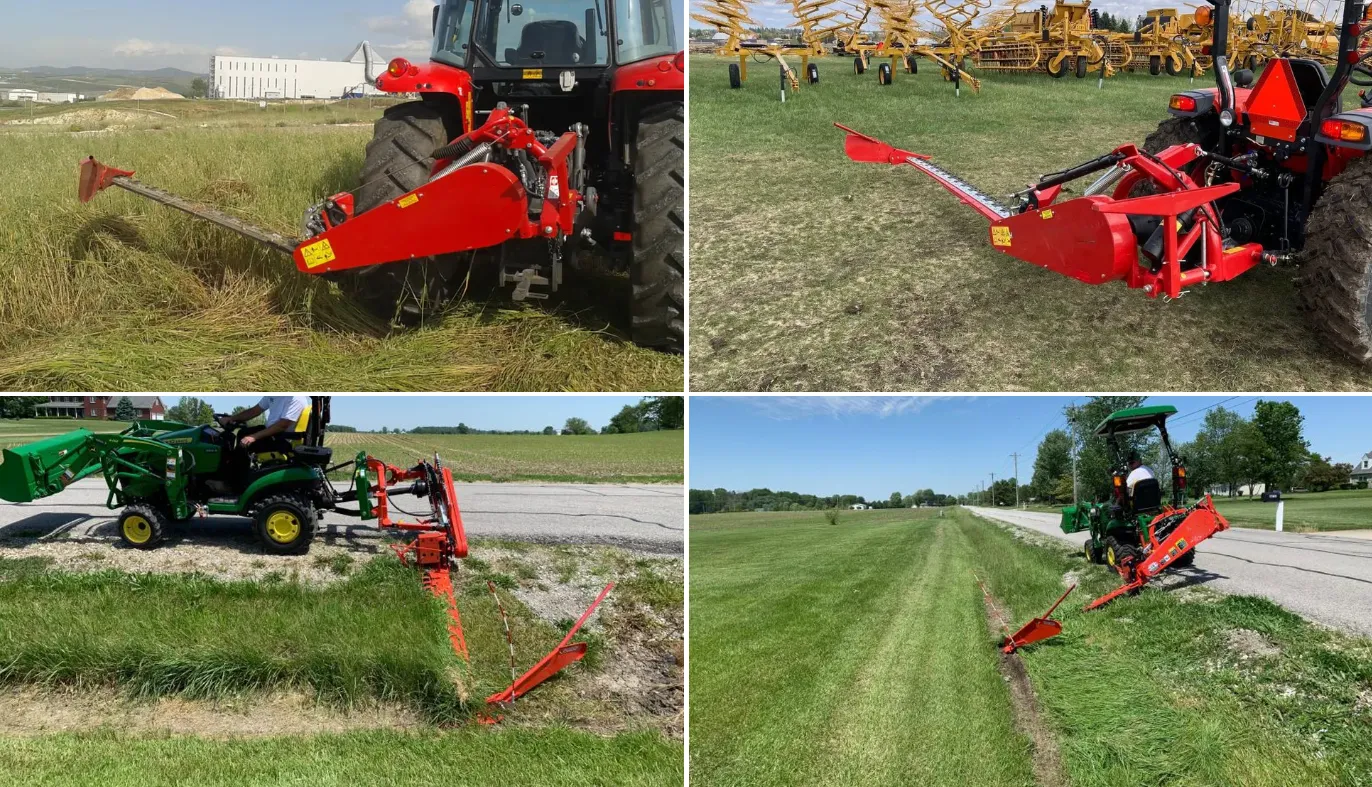
Working Principle of Tractor PTO Driven Sickle Bar Mower for Vineyard Maintenance
A tractor PTO driven sickle bar mower is a type of equipment commonly used in vineyard maintenance for cutting grass, weeds, and small vegetation in between rows of vines. Here is an overview of how this mower typically works:
- Tractor PTO Power Transmission: The mower is powered by the tractor’s Power Take-Off (PTO) system. The PTO shaft connects the tractor’s engine to the mower, transmitting mechanical power directly. This efficient power transfer is crucial for operating the mower’s cutting mechanism, ensuring the necessary force is applied to handle dense vegetation in vineyard rows.
- Drive Mechanism: The drive mechanism converts the rotational power from the PTO into a linear motion. This is typically achieved through a gearbox or pulley system that directs the power to the sickle bar. This transformation of energy is essential for initiating the reciprocating motion of the blades, providing the consistent and reliable operation needed for effective mowing.
- Sickle Bar and Blades: The sickle bar is equipped with a series of sharp, triangular blades arranged along a horizontal bar. These blades play a crucial role in cutting vegetation with precision. The sickle bar’s design allows it to cover a wide area efficiently, making it ideal for maintaining the narrow and often challenging spaces between vineyard rows.
- Reciprocating Motion: The reciprocating motion is central to the mower’s operation, where the blades move back and forth rapidly. This back-and-forth movement is driven by the converted power from the PTO, ensuring each blade makes swift and precise cuts. The reciprocating action is key to achieving a clean cut, reducing damage to the vines and ensuring neat vineyard maintenance.
- Cutting Action: The cutting action involves the blades slicing through grass, weeds, and small plants as they move in a scissor-like motion. This precise cutting is effective for managing vegetation without uprooting or disturbing the soil. The clean cuts promote healthy regrowth and reduce the risk of disease spread, which is vital for vineyard health.
- Discharge: The discharge process involves the cut vegetation being laid back onto the ground behind the sickle bar. This even distribution of clippings helps in mulching, which can improve soil health by adding organic matter. The strategic discharge ensures that the vineyard floor remains tidy, supporting both aesthetics and the ecological balance of the vineyard.
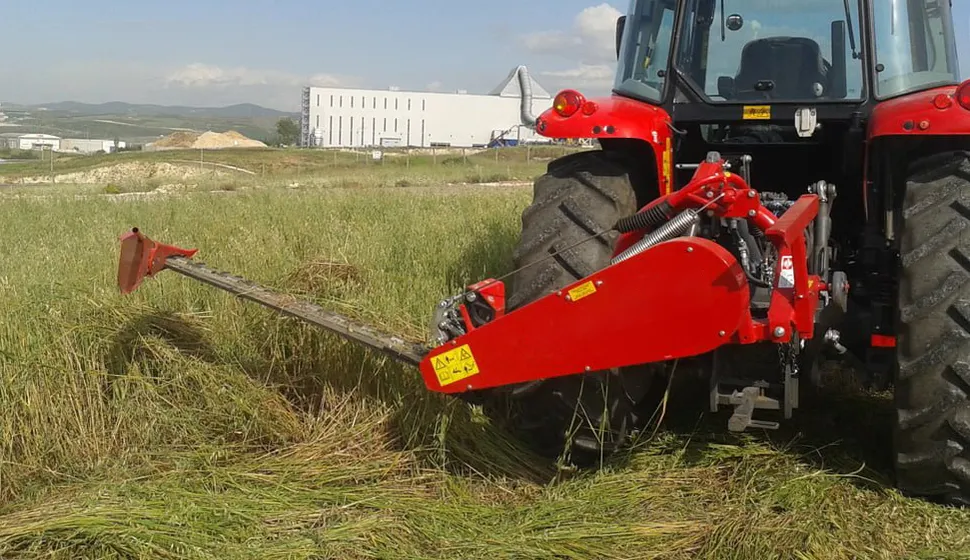
Installation Steps:
Installing a sickle bar mower to a tractor involves several steps to ensure proper attachment and functionality. Here is a general guide outlining the installation process:
- Preparation and Safety Measures: Before beginning the installation, ensure the tractor is parked on a flat surface and turned off. Engage the handbrake and secure the tractor with wheel chocks to prevent any movement. Wear appropriate safety gear, such as gloves and goggles, to protect yourself during the installation process. Check the mower and tractor for any visible damage.
- Attaching the Three-Point Hitch: Align the mower with the tractor’s three-point hitch system. Begin by connecting the lower lift arms of the tractor to the mower’s hitch pins. Secure these connections with lynch pins to prevent detachment. Adjust the stabilizers on the lift arms to ensure the mower is centered and stable, preventing lateral movement during operation.
- Connecting the Top Link: Attach the top link of the tractor to the mower’s top hitch point. Adjust the length of the top link to ensure the mower is level when lifted. This adjustment is crucial for maintaining an even cut during operation. Secure the connection with a lynch pin, ensuring it is tight and will not come loose during use.
- PTO Shaft Attachment: Connect the PTO shaft from the mower to the tractor’s PTO output. Ensure that the PTO shaft is the correct length; it should have some overlap but not be too long or short. Slide the shaft onto the tractor’s PTO spline and secure it with the locking pin or collar. Check that it is firmly attached to prevent disconnection.
- Adjusting the Mower Height: Use the tractor’s hydraulic system to raise and lower the mower, setting it to the desired cutting height. Adjust the skid shoes or wheels on the mower if they have them to maintain consistent height during operation. This step ensures that the mower cuts evenly across the vineyard terrain, preventing scalping or missed patches.
- Final Inspection and Testing: Perform a thorough inspection to ensure all connections are secure and correctly aligned. Check that all safety shields and guards are in place on both the tractor and mower. Start the tractor and engage the PTO at low speed to test the mower’s operation. Observe for smooth movement and listen for any unusual noises, indicating proper installation.
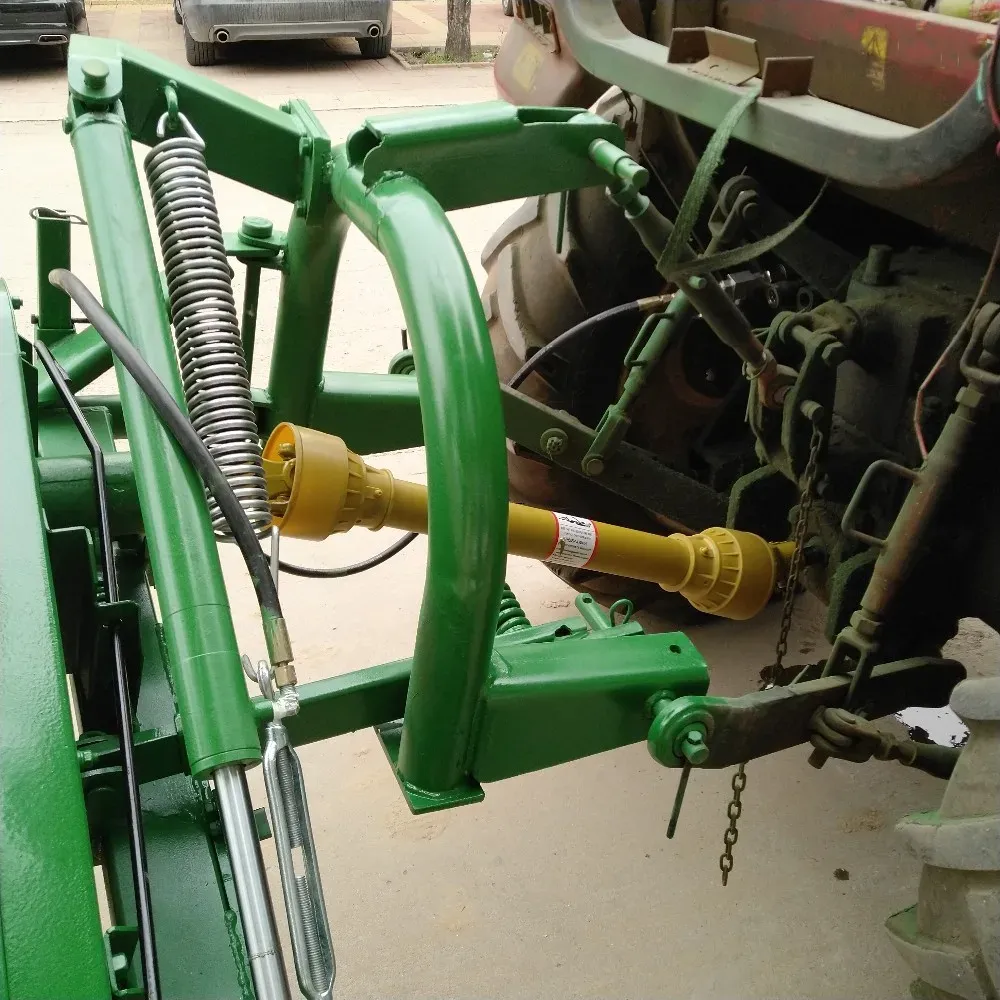
Choosing the Right Agricultural PTO Shaft for the Sickle Bar Mower
When selecting an agricultural PTO shaft for a sickle bar mower, it’s crucial to ensure compatibility and safety. Here are some key points to consider:
- Compatibility with Equipment: Ensure the PTO shaft is compatible with your specific model of sickle bar mower. Check the manual’s specifications for the correct length, diameter, and connection type. A mismatched shaft can lead to inefficient power transfer or even damage to your equipment.
- Power Requirements: Determine the power requirements of your mower and match them with the PTO shaft’s capacity. The shaft must handle the horsepower of your tractor without overloading. An underpowered shaft can result in frequent breakdowns, while an overpowered one might be unnecessarily expensive.
- Shaft Length: Measure the required length accurately, considering both fully compressed and extended states. An incorrectly sized shaft can either be too short, causing disconnection during operation, or too long, leading to potential damage when turning or maneuvering.
- Safety Features: Look for PTO shafts with built-in safety features such as shear bolts or slip clutches. These mechanisms protect both the tractor and the mower by preventing damage in case of a jam or sudden stop, thereby enhancing operational safety.
- Material Quality: Opt for PTO shafts made from high-quality materials like hardened steel. This ensures durability and long-lasting performance. A robust shaft can withstand the rigors of agricultural work, reducing the need for frequent replacements and repairs.
- Maintenance and Lubrication: Consider the maintenance requirements of the PTO shaft. Models with easily accessible grease fittings and parts that are simple to disassemble will make regular maintenance tasks more convenient, ensuring smooth operation and extending the life of the shaft.
- Connection Type: Identify the type of connection needed, such as a spline or a keyway. Ensure that both ends of the PTO shaft have the correct connectors to fit your tractor and mower. Proper connections are essential for efficient power transfer and to prevent disengagement during use.
Why Choose EVER-POWER’s Sickle Bar Mowers?
Ever-Power is a renowned company specializing in the production and sale of high-quality sickle bar mowers. With a strong emphasis on innovation and precision engineering, we have established ourselves as a leader in the agricultural machinery industry. Our sickle bar mowers are designed as perfect replacements for a wide range of well-known brands such as John Deere, New Holland, Massey Ferguson, Kubota, Case IH, Claas, Kuhn, Vicon, Fendt, Krone, Befco, Bush Hog, Land Pride, Lely, Hesston, and more. This compatibility ensures seamless integration and efficient performance in various agricultural settings.
Distinguished by their durability, efficiency, and versatility, our sickle bar mowers are ideal for maintaining vineyards, orchards, fields, and other agricultural landscapes. Featuring precision cutting blades and robust construction, these mowers excel in cutting grass, weeds, and small vegetation with ease, contributing to enhanced productivity and streamlined maintenance operations.
Ever-Power’s commitment to excellence in the sickle bar mower industry is underscored by our dedication to quality, reliability, and customer satisfaction. Our expertise and influence in this field are evident in the exceptional performance of our products, which have garnered acclaim for their superior craftsmanship and performance.
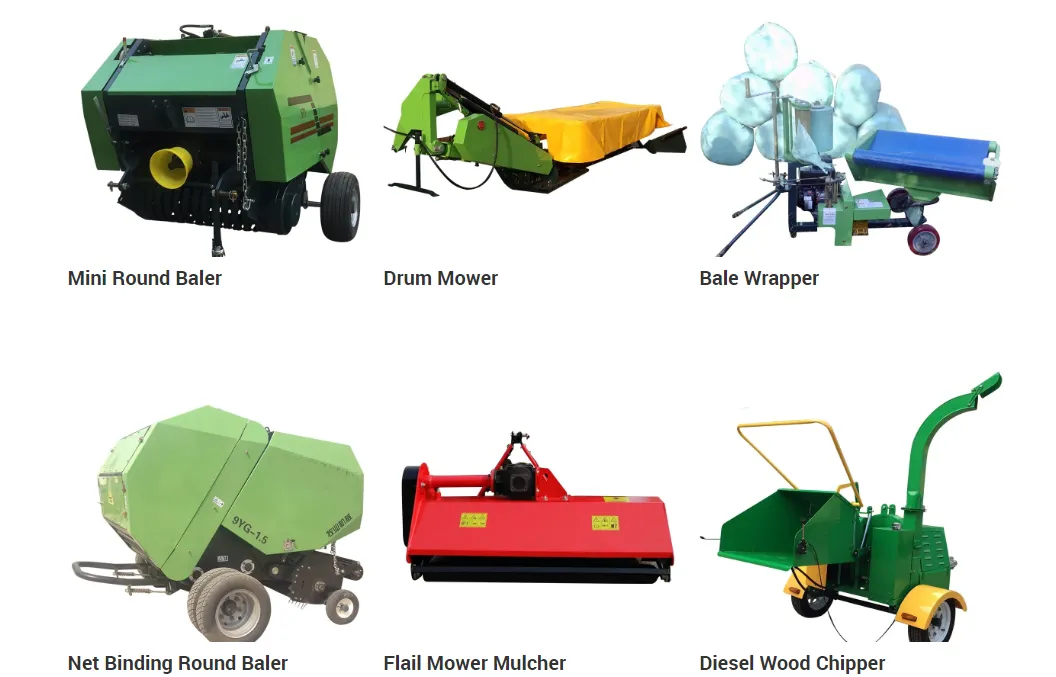
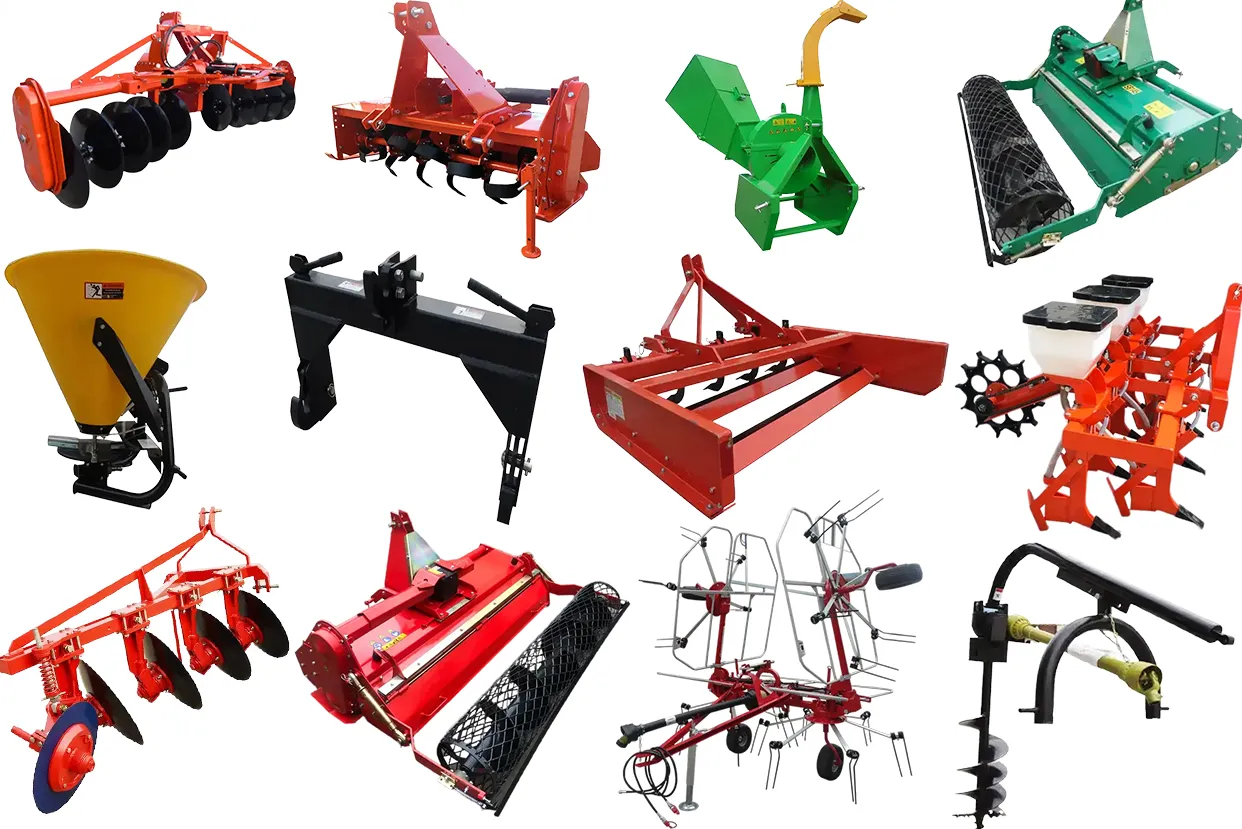
Additionally, our comprehensive range of agricultural machinery and equipment, including PTO shafts, agricultural gearboxes, large round balers, mini round balers, hay square balers, PTO wood chippers, diesel wood chippers, drum mowers, disc mowers, rotary hay rakes, fertilizer spreaders, lawn mowers, rotary mowers, flail mowers, rotary tillers, land levelers, furrow ploughs, disc harrows, disc blades, disc ridgers, disc ploughs, potato planters, potato harvesters, corn seeders, wheat seeders, vegetable seeders, post hole diggers, boom sprayers, subsoiler, trailers, finger wheel rake, snow blower, road sweeper, and more, further solidifies our position as a trusted provider of agricultural solutions.
In addition to our specialization in sickle bar mowers, we take pride in our international certifications, customized services, state-of-the-art production facilities, and unparalleled after-sales support. From drum mowers to snow blowers, our extensive product line caters to diverse agricultural needs, ensuring that our customers receive top-notch equipment tailored to their specific requirements. At Ever-Power, we are dedicated to delivering cutting-edge solutions that elevate agricultural practices and empower farmers worldwide.
Author: Yjx