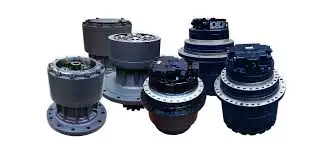
Category Archives: Travel Gearbox

What is the significance of lubrication and oil viscosity in maintaining a travel gearbox’s health?


What is the significance of lubrication and oil viscosity in maintaining a travel gearbox’s health?

What is the significance of lubrication and oil viscosity in maintaining a travel gearbox’s health?

Importance of Lubrication for Travel Gearbox Health

Proper lubrication is crucial for the health and longevity of travel gearbox. Inadequate lubrication can cause severe damage to the gearbox, which can ultimately lead to failure.

Reduced Wear and Tear

Lubrication helps reduce the wear and tear between moving parts of the gearbox. The lubrication film created by oil between the parts diminishes friction, which reduces the wear and tear caused by metal-to-metal contact.

Heat Reduction

Lubrication helps reduce the temperature generated by the gearbox during operation. The oil carries away the heat from the gearbox and dissipates it through the oil cooler. Heat reduction helps maintain the integrity of the gearbox by preventing it from overheating and degrading the oil.

Corrosion and Rust Prevention

Lubrication helps prevent corrosion and rust inside the gearbox. The oil provides a protective barrier between metal parts and the surrounding environment, which helps prevent oxidation, rust, and corrosion.

Effective Sealing of Gearbox Components

Proper lubrication helps create an effective seal between gearbox components. The oil film helps fill any gaps between the moving parts, which prevents the ingress of contaminants such as dirt, dust, and water. Effective sealing helps prevent contamination from getting inside the gearbox and causing damage.

Efficient Power Transmission

Proper lubrication helps ensure efficient power transmission. The lubrication film helps reduce the energy losses that occur during power transmission, which results in improved efficiency and performance of the gearbox.

Importance of Oil Viscosity for Travel Gearbox Health

Oil viscosity is equally crucial for maintaining the health of a travel gearbox. Viscosity refers to the thickness or thinness of an oil at a specific temperature. The correct viscosity of oil is essential for proper lubrication.

Proper Lubrication

Oil viscosity directly affects the lubrication film formation in the gearbox. The correct viscosity ensures that the oil film created is neither too thick nor too thin, which ensures proper lubrication.

Temperature Control

Oil viscosity helps control the temperature of the gearbox. The correct viscosity ensures that the oil can carry away the heat generated by the gearbox without degrading and losing its lubrication properties.

System Protection

Oil viscosity helps protect the gearbox from damage. The correct viscosity ensures that the oil can form an effective barrier between the moving components and the surrounding environment, which prevents contaminants from entering the gearbox and causing damage.

Installation Guidelines for Travel Gearbox

Before installing travel gearbox, it is essential to consider its adaptability, installation steps, and precautions to take.

Adaptability

Check the compatibility of the gearbox with the machine. Ensure that the gearbox meets the machine’s needs and can handle the load and speed requirements.

Installation Steps

Follow the manufacturer’s installation instructions carefully. Ensure that the gearbox is installed correctly and securely to avoid damage or failure.

Precautions

Take necessary precautions during installation, such as using proper tools, cleaning the machine of debris and contaminants, and ensuring that the environment is safe and suitable for installation.

Applications and Uses of Travel Gearbox

Travel gearboxes are used in a wide range of machines and equipment, including excavators, cranes, drilling rigs, and mining machinery. They are typically located in the final drive of the machine and are responsible for transmitting power from the engine to the wheels or tracks.

Daily Maintenance and Troubleshooting of Travel Gearbox

Daily Maintenance

  • Check the oil level regularly and add oil as needed.
  • Inspect the gearbox for leaks, damage, or wear and tear.
  • Clean the gearbox of dirt, debris, and contaminants.
  • Inspect the cooling system and make sure it is functioning correctly.
  • Check for abnormal noise or vibrations during operation.

Troubleshooting and Solutions

  • If there is an oil leak, check the seals and gaskets and replace them if necessary.
  • If there is abnormal noise or vibration, check the gears, bearings, and shafts for damage or wear and tear.
  • If the gearbox overheats, check the oil level, viscosity, and cooling system and adjust them accordingly.
  • If the gearbox fails, disassemble and inspect the gearbox for damage or wear and tear and replace the damaged parts.

Advantages of Our Travel Gearbox

  • High load capacity and torque output
  • Efficient power transmission and improved fuel efficiency
  • Durable and long-lasting
  • Easy to install and maintain
  • Customizable to meet specific requirements

Choose our travel gearbox for your machines and equipment to experience reliable and efficient power transmission. Our gearboxes are designed to meet the highest industry standards and are customizable to meet your specific needs.

Contact us today to learn more about how our travel gearboxes can benefit your business.

Author: Miya


How does the selection of gear ratios in a travel gearbox influence fuel economy and overall performance?


How Does the Selection of Gear Ratios in a Travel Gearbox Influence Fuel Economy and Overall Performance?

How Does the Selection of Gear Ratios in a Travel Gearbox Influence Fuel Economy and Overall Performance?

Travel Gearbox

Introduction

Travel gearboxes are important in various mechanical applications. Their main function is to transmit power from the engine to the wheels of a vehicle, machinery, or equipment. The selection of gear ratios in a travel gearbox has a significant impact on fuel economy and overall performance. In this article, we will discuss in detail how gear ratios influence fuel economy and performance in a travel gearbox.

How Gear Ratios Influence Fuel Economy and Overall Performance?

Understanding Gear Ratios

Gear ratio is a term used to describe the ratio of the rotational speed of the input gear to the output gear. In a travel gearbox, the gear ratios are selected based on the desired performance and fuel efficiency. A higher gear ratio means that the output shaft will rotate faster than the input shaft but with less torque. On the other hand, a lower gear ratio provides more torque but less speed.

The Impact of Gear Ratios on Fuel Economy

The selection of gear ratios in a travel gearbox affects the fuel economy of the vehicle or equipment. A higher gear ratio provides better fuel economy on highways where the speed is constant. This is because the engine runs at a lower speed, reducing fuel consumption. Conversely, a lower gear ratio provides better fuel economy in stop-and-go traffic or hilly terrains where frequent gear shifts are required.

The Impact of Gear Ratios on Overall Performance

Proper gear ratio selection is crucial for the overall performance of the vehicle or machinery. A higher gear ratio provides better top speed but less acceleration. In contrast, a lower gear ratio provides better acceleration but less top speed. When selecting gear ratios, it is essential to consider the load capacity, terrain, and desired performance.

Factors Affecting Gear Ratio Selection

The selection of gear ratios in a travel gearbox depends on various factors, including the type of vehicle or equipment, terrain, load capacity, and desired performance. It is crucial to consider these factors when selecting gear ratios to achieve optimal fuel economy and performance.

Importance of Regular Maintenance

Regular maintenance of the travel gearbox is essential to ensure optimal performance and fuel efficiency. Neglecting maintenance can lead to various problems, such as gear wear, oil leaks, and poor performance. It is recommended to change the oil and filter at regular intervals and inspect the gearbox for any signs of wear or damage.

Travel Gearbox

Installation Guide for Travel Gearboxes

Adaptability

Before installing a travel gearbox, it is essential to ensure that it is compatible with the vehicle or machinery. The gearbox should match the engine’s torque and horsepower ratings and be designed to handle the load capacity and terrain.

Installation Steps

  1. Prepare the vehicle or machinery for installation by removing the old gearbox and cleaning the mounting surface.
  2. Align the new gearbox with the mounting surface and secure it in place using bolts or screws.
  3. Connect the driveshaft to the output shaft of the travel gearbox and secure it with a universal joint.
  4. Fill the gearbox with the recommended oil and start the engine to check for any leaks or abnormal sounds.

Precautions

  • Always refer to the manufacturer’s instructions for proper installation and maintenance.
  • Ensure that the gearbox is properly aligned with the engine and driveshaft to prevent premature wear and damage.
  • Use the recommended oil and filter to ensure optimal performance and longevity.
  • Check the gearbox for any signs of wear or damage before installation.
  • Test the gearbox thoroughly before using it in a demanding environment.

Applications and Usage of Travel Gearboxes

Travel gearboxes are used in various mechanical applications, including construction equipment, agricultural machinery, mining equipment, and industrial machinery. They are used to transmit power from the engine to the wheels, tracks, or other components of the equipment. The specific application of the travel gearbox depends on the type of machinery and its intended use.

Daily Maintenance and Troubleshooting of Travel Gearboxes

Daily Maintenance

  • Check the oil level and quality regularly and change the oil and filter at recommended intervals.
  • Inspect the gearbox for any leaks or damage and repair as necessary.
  • Tighten any loose bolts or screws to prevent vibrations and premature wear.
  • Clean the gearbox and surrounding area to prevent dirt and debris from entering the gearbox.

Troubleshooting and Solutions

  • If the gearbox is making abnormal noises, check for worn gears, bearings, and seals and replace as necessary.
  • If the gearbox is leaking oil, check for damaged seals or gaskets and replace as necessary.
  • If the gearbox is vibrating excessively, check for loose bolts or misaligned components and tighten or realign as necessary.
  • If the gearbox is not shifting properly, check for worn or damaged synchronizer rings or clutch plates and replace as necessary.
  • If the gearbox is overheating, check for low oil level or poor oil quality and address the issue accordingly.

Advantages of Our Company’s Travel Gearboxes

  • High-quality materials and manufacturing processes ensure durability and longevity.
  • Customizable gear ratios to meet specific performance and fuel efficiency needs.
  • Compatible with various types of machinery and equipment.
  • Easy to install and maintain.
  • Competitive pricing and excellent customer service.

Thank you for considering our company’s travel gearboxes. Our products are designed to meet the highest standards of quality and performance. We pride ourselves on providing excellent customer service and support. Contact us today to learn more about our products and services.

Author: Miya


What safety features are typically integrated into the design of travel gearboxes to prevent catastrophic failures?

What safety features are typically integrated into the design of travel gearboxes to prevent catastrophic failures?

Introduction

Travel gearboxes are an essential component of many machines. However, they can be prone to catastrophic failures if not designed properly. In this article, we will explore the safety features that are typically integrated into the design of travel gearboxes to prevent such failures.

10 Safety Features in Travel Gearboxes

1. Overload Protection

Travel gearboxes are designed to handle a certain amount of torque. If the torque exceeds this limit, the gearbox can fail, leading to catastrophic consequences. To prevent this, travel gearboxes are equipped with overload protection mechanisms. These mechanisms can include electronic sensors that detect torque levels and either shut down the system or send a warning signal to the operator.

2. Temperature Monitoring

Travel gearboxes can generate a lot of heat during operation. If the gearbox becomes too hot, it can cause the lubricating oil to break down, leading to increased wear and tear on the gears. To prevent this, travel gearboxes are equipped with temperature monitoring systems. These systems can include temperature sensors that detect when the gearbox is getting too hot and either shut down the system or send a warning signal to the operator.

3. Vibration Monitoring

Vibrations can cause damage to travel gearboxes, leading to catastrophic failures. To prevent this, travel gearboxes are equipped with vibration monitoring systems. These systems can include vibration sensors that detect when the gearbox is vibrating too much and either shut down the system or send a warning signal to the operator.

4. Redundant Systems

Redundant systems are backup systems that can take over if the primary system fails. Many travel gearboxes are equipped with redundant systems to prevent catastrophic failures. These systems can include duplicate gears, bearings, and other components that can take over if the primary components fail.

5. Sealed Design

Travel gearboxes are often exposed to harsh environments that can cause damage to the gears and other components. To prevent this, many travel gearboxes are designed with seals that protect the internal components from dust, water, and other contaminants.

6. Anti-Lock Braking

Anti-lock braking systems are designed to prevent the wheels from locking up and causing the machine to skid. Many travel gearboxes are equipped with anti-lock braking systems to prevent catastrophic failures. These systems can include sensors that detect when the wheels are about to lock up and either reduce the torque or apply the brakes to prevent skidding.

7. Torque Limiting

Travel gearboxes can generate a lot of torque, which can lead to catastrophic failures if not controlled properly. To prevent this, many travel gearboxes are equipped with torque limiting systems. These systems can include clutches or other mechanisms that limit the amount of torque that can be generated by the gearbox.

8. Electronic Control

Many travel gearboxes are equipped with electronic control systems that allow for precise control over the machine. These systems can include sensors that detect changes in speed, torque, and other parameters and adjust the gearbox accordingly. Electronic control systems can also include safety interlocks that prevent the machine from operating if certain conditions are not met.

9. Lubrication Monitoring

Lubrication is essential for the proper operation of travel gearboxes. If the gearbox is not properly lubricated, it can lead to increased wear and tear on the gears, which can cause catastrophic failures. To prevent this, many travel gearboxes are equipped with lubrication monitoring systems. These systems can include sensors that detect when the lubricating oil is running low and either shut down the system or send a warning signal to the operator.

10. Shock Absorption

Many travel gearboxes are designed with shock absorption systems that can absorb the shock of sudden impacts. These systems can include springs, dampers, or other mechanisms that help to protect the gearbox from damage.

travel gearbox

Installation Guide for Travel Gearboxes

Adaptability

Before installing a travel gearbox, it is important to ensure that it is compatible with the machine it will be installed in. This can include checking the shaft size and orientation, as well as the mounting pattern and bolt size. If the travel gearbox is not compatible with the machine, it can cause catastrophic failures.

Installation Steps

The installation steps for a travel gearbox can vary depending on the machine it will be installed in. However, there are some general steps that should be followed:

  • Remove the old gearbox from the machine.
  • Clean the mounting surface and check for any damage.
  • Install the new travel gearbox, making sure to align the shafts and bolt the gearbox securely to the machine.
  • Fill the gearbox with the recommended lubricating oil.
  • Start the machine and check for proper operation.

Precautions

When installing a travel gearbox, there are some precautions that should be taken:

  • Never force the gearbox into place, as this can cause damage to the gears and bearings.
  • Always use the recommended lubricating oil.
  • Ensure that the mounting bolts are tightened to the recommended torque.
  • Check for leaks and proper operation before putting the machine back into service.

travel gearbox installation

Applications of Travel Gearboxes

Travel gearboxes are used in a wide variety of machines, including:

  • Excavators and other construction equipment
  • Tractors and agricultural machinery
  • Marine propulsion systems
  • Railroad locomotives and rolling stock
  • Industrial machinery, such as conveyor belts and mixers

Travel gearboxes are typically used in applications where high torque is required, as well as applications that require precise control over speed and direction.

Travel Gearbox Maintenance and Troubleshooting

Maintenance

To ensure that your travel gearbox operates properly, it is important to perform regular maintenance. This can include:

  • Checking the lubricating oil level and topping off as needed.
  • Replacing the lubricating oil at regular intervals.
  • Checking for leaks and damage.
  • Inspecting the gears, bearings, and other components for wear and damage.
  • Tightening any loose bolts or nuts.

Troubleshooting and Solutions

If your travel gearbox is not operating properly, there are some troubleshooting steps you can take:

  • Check the lubricating oil level and top off as needed.
  • Check for leaks and damage.
  • Inspect the gears, bearings, and other components for wear and damage.
  • Check the electronic control systems for faults.
  • If all else fails, contact a qualified technician for assistance.

5 Advantages of Our Travel Gearboxes

  • Robust design for long-term durability.
  • High torque capacity for demanding applications.
  • Precision control over speed and direction.
  • Easy installation and maintenance.
  • Flexible design for a wide range of applications.

Contact us today to learn more about how our travel gearboxes can benefit your operations.

Author: Miya

Can travel gearboxes be modified or upgraded to improve off-road capabilities, and what changes are typically made?

Can travel gearboxes be modified or upgraded to improve off-road capabilities, and what changes are typically made?

Introduction

Travel gearboxes are an essential component of off-road vehicles. They help improve the torque output and overall power of the engine. However, some off-road enthusiasts may wonder whether it is possible to modify or upgrade travel gearboxes to enhance their performance even further. In this article, we will explore the various modifications and upgrades that can be made to travel gearboxes to improve their off-road capabilities.

Travel gearbox final drive

Modifications and Upgrades for Improved Off-Road Capabilities

1. Gear Ratio Changes

One of the most common modifications made to travel gearboxes for improving off-road capabilities is changing the gear ratios. Off-road vehicles require low-end torque to power through rough terrain, and changing the gear ratio will help achieve that. A lower gear ratio, such as 4.88 or 5.13, can help provide the necessary low-end torque when crawling over rocks, mud, or sand.

2. Differential Upgrades

Another upgrade that can be made to travel gearboxes is upgrading the differentials. Off-road vehicles require differentials that can lock up the axles and provide power to all four wheels. Locking differentials, such as air lockers, can provide the necessary traction to get through difficult trails.

3. Bearing and Seal Upgrades

Upgrading the bearings and seals can also help improve the durability and reliability of travel gearboxes. High-quality bearings and seals can better handle extreme temperatures and harsh conditions, ensuring a longer lifespan for the gearbox.

4. Cooling System Upgrades

Off-road vehicles can generate a lot of heat, which can put a strain on the gearbox. Upgrading the cooling system can help keep the temperature under control and prevent damage to the gearbox. This can include installing a larger oil cooler or adding extra ventilation.

5. Materials Upgrades

Finally, upgrading the materials used in the construction of the gearbox can help improve its strength and durability. High-strength materials, such as chromoly steel, can better handle the stresses of off-road driving and provide a longer lifespan for the gearbox.

Travel Gearbox Installation Guide

Travel gearbox installation

1. Adaptability

Before installing a travel gearbox, it is important to ensure that it is compatible with the vehicle’s make and model. This includes checking the transmission type, axle ratio, and other factors that can affect the gearbox’s performance.

2. Installation Steps

The installation process for a travel gearbox can vary depending on the vehicle’s make and model. However, the general steps include draining the old oil, removing the old gearbox, installing the new gearbox, and filling it with new oil.

3. Precautions

When installing a travel gearbox, it is important to take certain precautions to prevent damage or injury. This includes wearing protective gear, following the manufacturer’s instructions, and ensuring that all bolts and fittings are tightened to the correct torque specifications.

Applications and Use Cases of Travel Gearboxes

Travel gearboxes are commonly used in off-road vehicles, such as trucks, SUVs, and Jeeps. They are typically located between the transmission and the rear axle and help improve the power and torque output of the engine. Travel gearboxes are essential for off-road driving, as they provide the necessary low-end torque for crawling over rocks, mud, and other difficult terrain.

Daily Maintenance and Troubleshooting of Travel Gearboxes

1. Regular Oil Changes

Regular oil changes are essential for maintaining the health and longevity of a travel gearbox. Oil should be changed at regular intervals, as recommended by the manufacturer, to prevent the buildup of contaminants and ensure that the gearbox is properly lubricated.

2. Keep Gearbox Cool

As mentioned earlier, travel gearboxes can generate a lot of heat, which can put a strain on the gearbox. It is important to keep the gearbox cool to prevent damage. This can include installing a larger oil cooler, adding extra ventilation, or using synthetic oil that can better handle high temperatures.

3. Regular Inspection

Regular inspections of the travel gearbox can help identify potential issues before they become more serious. This includes checking for leaks, wear and tear, and other signs of damage or malfunction.

4. Troubleshooting

If a travel gearbox is experiencing issues, it is important to troubleshoot the problem as soon as possible. This can include checking the oil level, inspecting the bearings and seals, and looking for signs of damage or wear. If necessary, the gearbox may need to be disassembled and repaired or replaced.

5. Common Issues and Solutions

  • Issue: Overheating gearbox. Solution: Install a larger oil cooler or add extra ventilation.
  • Issue: Leaking oil. Solution: Check for damaged seals or gaskets and replace them as needed.
  • Issue: Excessive noise. Solution: Check for worn or damaged bearings and replace them as needed.
  • Issue: Gearbox slipping or not engaging. Solution: Check the clutch and shift linkage for issues, and inspect the gearbox for any damage.

5 Advantages of Our Company’s Travel Gearboxes

  • 1. High-strength materials for improved durability and reliability.
  • 2. Customizable gear ratios and differential options.
  • 3. Designed and manufactured to meet rigorous quality standards.
  • 4. Excellent customer support and after-sales service.
  • 5. Competitive pricing for exceptional value.

In conclusion, modifying or upgrading a travel gearbox can help improve its off-road capabilities and make it better suited for rough terrain. Whether it’s changing the gear ratio, upgrading the differentials, or improving the cooling system, there are many options available to enhance the performance of a travel gearbox. At our company, we pride ourselves on providing high-quality travel gearboxes that are designed and manufactured to meet the needs of off-road enthusiasts. Contact us today to learn more about how we can help you take your off-road adventures to the next level.

Author: Miya

How does a travel gearbox’s cooling system work, and why is it crucial for preventing overheating?

How does a travel gearbox’s cooling system work, and why is it crucial for preventing overheating?

Introduction

A travel gearbox is a vital component of a machine that helps in transmitting the power from the engine to the tracks or wheels. The gearbox usually works under high temperatures and loads, which can cause overheating. Thus, to prevent overheating, a cooling system is incorporated in the travel gearbox. In this article, we will explain how a travel gearbox’s cooling system works and why it is essential in preventing overheating.

Travel Gearbox Final Drive

How does a travel gearbox’s cooling system work?

1. Circulating System

The circulating system is an essential component of the travel gearbox’s cooling system. It comprises a pump that circulates the oil in the gearbox. The oil acts as a coolant and carries away the heat generated by the gearbox’s moving parts. The pump draws the oil from the gearbox’s sump, sends it through the oil cooler, and returns it to the gearbox through the filter. The oil cooler helps to cool down the oil by dissipating the heat to the atmosphere. The oil filter helps to remove any contaminants that may cause damage to the gearbox components.

2. Cooling Fins

The gearbox’s housing is fitted with cooling fins that help to dissipate the heat generated by the gearbox’s moving parts. The cooling fins increase the surface area of the gearbox’s housing, thus increasing the heat dissipation rate. The fins also help to direct the airflow over the gearbox’s surface, aiding in heat dissipation.

3. Oil Jets

Oil jets are also incorporated in the gearbox’s cooling system. The oil jets spray the oil onto the gears and bearings, aiding in cooling and lubrication. The oil jets help to remove the heat generated by the moving parts and carry it away.

4. Thermostat Valve

The thermostat valve is an essential component of the cooling system. It helps to regulate the oil temperature in the gearbox. The valve opens and closes depending on the oil temperature. If the oil temperature is too high, the valve opens, allowing the oil to pass through the oil cooler. If the oil temperature is too low, the valve closes, preventing the oil from passing through the cooler until it reaches the optimum temperature.

5. Temperature Sensor

The temperature sensor is used to monitor the gearbox’s oil temperature. The sensor sends the temperature readings to the machine’s onboard computer, which alerts the operator if the temperature readings are too high. The operator can then take necessary action to prevent the gearbox from overheating.

Why is the travel gearbox’s cooling system crucial for preventing overheating?

The travel gearbox’s cooling system is crucial for preventing overheating because the gearbox works under high temperatures and loads. Overheating can cause damage to the gearbox components, leading to breakdowns and costly repairs. The cooling system helps to dissipate the heat generated by the gearbox’s moving parts, preventing overheating and prolonging the gearbox’s life.

Travel gearbox installation guide

Texas Final Drive Final Drive Motors Inventory

1. Adaptability

Before installing the travel gearbox, it is essential to ensure that it is compatible with the machine. The gearbox should be the correct size, have the correct gear ratio, and have the necessary mounting features to fit the machine. It is also essential to ensure that the machine’s hydraulic system can provide enough flow and pressure to power the gearbox.

2. Installation Steps

The installation steps for the travel gearbox may vary depending on the machine’s make and model. However, the general steps for installation include:

  • Remove the old gearbox from the machine
  • Clean the mounting surface and check for any damages
  • Mount the new travel gearbox on the machine
  • Connect the hydraulic lines to the gearbox
  • Fill the gearbox with the recommended oil
  • Test the machine to ensure that the gearbox is functioning correctly

3. Installation Precautions

It is essential to take the following precautions while installing the travel gearbox:

  • Use the recommended tools and equipment during installation
  • Ensure that all connections are tight and secure
  • Ensure that the oil used is the recommended type and grade
  • Ensure that the oil level is correct
  • Ensure that the hydraulic lines are connected correctly
  • Ensure that the gearbox is level during installation

Travel gearbox application and usage

Travel gearboxes are used in a wide range of machines, including excavators, bulldozers, graders, and loaders. The gearbox is usually located between the engine and the tracks or wheels. It helps to transmit the power from the engine to the machine’s tracks or wheels, enabling movement. The gearbox also helps to control the machine’s speed and direction. Without the travel gearbox, the machine would not be able to move efficiently.

Travel gearbox maintenance and troubleshooting

1. Maintenance

Proper maintenance is essential in prolonging the travel gearbox’s life and preventing breakdowns. The maintenance procedures may vary depending on the machine’s make and model. However, the general maintenance procedures include:

  • Checking the oil level regularly
  • Changing the oil and oil filter at recommended intervals
  • Checking the gearbox for leaks
  • Tightening any loose connections
  • Checking the oil cooler for any damages or clogging
  • Checking the gearbox’s vents for any blockages

2. Troubleshooting

The following are some common travel gearbox problems and their possible causes:

  • Overheating – caused by low oil level or poor oil flow
  • Noise – caused by worn gears or bearings
  • Vibration – caused by misaligned gears or worn bearings
  • Leakage – caused by damaged seals or gaskets

If any of these problems occur, it is important to take immediate action to prevent further damage to the gearbox components.

Advantages of our company’s travel gearbox

Our company’s travel gearbox has the following advantages:

  • High efficiency
  • Low noise
  • Long lifespan
  • Excellent heat dissipation
  • Easy maintenance

If you are looking for a reliable and efficient travel gearbox, contact us today. Our team of experts will help you choose the best travel gearbox for your machine and provide you with excellent after-sales support.

Author: Miya

In which ways do advancements in manufacturing processes improve the durability and precision of travel gearboxes?

In which ways do advancements in manufacturing processes improve the durability and precision of travel gearboxes?

1. Heat Treatment Technology

Advancements in manufacturing processes have led to improved heat treatment technology, which has a direct impact on the durability of travel gearboxes. The optimal heat treatment process creates a hardened surface on the gearbox, making it more resistant to wear and tear. The hardened surface also increases the overall strength of the gearbox, making it better prepared to withstand heavy loads and harsh operating conditions.

2. Precision Machining

Precision machining is another significant advancement in manufacturing processes that has improved the durability and precision of travel gearboxes. Modern machining tools and computer-aided design software have enabled manufacturers to create travel gearboxes with tighter tolerances and higher precision. This allows for smoother performance, lower noise levels, and reduced vibration, all of which contribute to the longevity of the gearbox.

3. Advanced Lubrication Systems

Advancements in lubrication technology have also contributed to the improved durability and precision of travel gearboxes. Manufacturers can now utilize advanced lubrication systems that are designed to reduce friction and wear, even in high-temperature environments. Additionally, these systems can be more precisely calibrated to the gearbox’s specific needs, providing optimal lubrication and extending the gearbox’s lifespan.

4. Material Science

The materials used in manufacturing travel gearboxes have also been improved over time. Advances in material science have led to the development of high-strength alloys and composites, which are more durable and resistant to wear than traditional materials. This has enabled manufacturers to produce travel gearboxes that are both lighter and stronger, improving their performance and longevity.

5. Automated Assembly

Finally, advancements in manufacturing processes have led to the automation of many assembly tasks, allowing for greater consistency and accuracy in gearbox assembly. This reduces the likelihood of human error, which can lead to premature failure, and ensures that each gearbox is assembled to the same high standard.

Installation Guide for Travel Gearbox

Adaptability

Before installing a travel gearbox, it is essential to ensure that it is compatible with the machinery you are using. Check the gearbox specifications and consult with the manufacturer to ensure that the gearbox is the right fit.

Installation Steps

  1. Prepare the installation site and ensure that it is clean and free of debris.
  2. Align the gearbox with the shaft, ensuring that it is level and straight.
  3. Secure the gearbox in place using the appropriate mounting hardware.
  4. Connect the gearbox to the motor, ensuring that all connections are tight and secure.
  5. Fill the gearbox with the recommended lubricant to the appropriate level.
  6. Test the gearbox to ensure that it is running smoothly and make any necessary adjustments.

Precautions

When installing a travel gearbox, it is essential to take appropriate safety precautions. Wear protective gear, including gloves and eye protection, and ensure that the machinery is powered off before beginning the installation process. Additionally, ensure that you are following all recommended installation procedures to avoid damage to the gearbox or machinery.

Applications and Use Cases of Travel Gearbox

Travel gearboxes are used in a wide range of machinery and equipment, including:

  • Excavators
  • Bulldozers
  • Crushers
  • Conveyors
  • Drilling rigs
  • And more

Each of these applications requires a gearbox that is durable, precise, and able to withstand harsh operating conditions. Whether it’s moving heavy loads or operating in high-temperature environments, travel gearboxes are an essential component of modern machinery.

Travel Gearbox Maintenance and Troubleshooting Guide

1. Regular Lubrication

Regular lubrication is essential to the longevity and performance of a travel gearbox. Ensure that you are using the recommended lubricant and that it is topped up to the appropriate level. Additionally, be sure to replace the lubricant at the recommended intervals to avoid buildup and contamination.

2. Inspection and Cleaning

Regular inspection and cleaning can help identify potential issues before they become significant problems. Check for signs of wear or damage and address any issues promptly. Additionally, ensure that the gearbox is clean and free of debris to avoid contamination and overheating.

3. Troubleshooting and Repair

If you encounter issues with your travel gearbox, consult the manufacturer’s troubleshooting guide or contact customer support for assistance. In some cases, the issue may be minor and can be addressed with simple repairs or adjustments. In more severe cases, the gearbox may need to be replaced entirely.

Advantages of Our Company’s Travel Gearbox

  • 1. High Precision and Durability
  • 2. Superior Lubrication
  • 3. Advanced Materials
  • 4. Consistent Quality Control
  • 5. Excellent Customer Support

Our company’s travel gearbox is designed to meet the highest standards of precision, durability, and performance. With advanced lubrication systems, high-strength materials, and consistent quality control, our gearboxes are built to last. Additionally, our experienced customer support team is always available to assist with any questions or concerns you may have.

If you’re looking for a travel gearbox that you can rely on, look no further than our company. Contact us today to learn more about our products and services!

Author: Miya

What is the impact of corrosion on the inner workings of a travel gearbox?

What is the Impact of Corrosion on the Inner Workings of a Travel Gearbox?

Introduction

A travel gearbox is an essential component in various industrial machines, including excavators, bulldozers, and loaders. It is responsible for transferring power from the engine to the wheels or tracks, allowing the machine to move. However, like any other mechanical component, the travel gearbox is susceptible to corrosion, which can significantly impact its performance and lifespan.

What is Corrosion?

Corrosion is a natural process that occurs when a metal reacts with oxygen and moisture in its environment. The reaction forms an oxide layer on the metal’s surface, which causes it to deteriorate over time. Corrosion can weaken the metal and cause it to become brittle, leading to cracks and fractures that can ultimately result in mechanical failure.

Impact of Corrosion on the Inner Workings of a Travel Gearbox

Corrosion can have several adverse effects on the inner workings of a travel gearbox. Here are ten possible impacts:

  • Reduced Lubrication: Corrosion can cause the lubricant to break down, leading to increased friction and wear on the gearbox’s moving parts.
  • Pitting: Corrosion can cause small pits to form on the gearbox’s surface, which can affect its structural integrity and lead to failure.
  • Rust Formation: Corrosion can cause rust to form on the gearbox’s internal parts, which can clog oil passages and cause them to malfunction.
  • Heat Build-Up: Corrosion can reduce the gearbox’s ability to dissipate heat, leading to increased temperatures that can cause the gearbox to fail.
  • Seizure: Corrosion can cause the gearbox’s moving parts to seize, leading to increased wear and damage.
  • Noise: Corrosion can cause the gearbox to produce unusual noises, indicating that it is not functioning correctly.
  • Vibration: Corrosion can cause the gearbox to vibrate excessively, leading to increased wear and damage to its internal parts.
  • Leakage: Corrosion can cause the gearbox’s seals and gaskets to fail, leading to oil leakage and potential damage to the machine’s other components.
  • Reduced Efficiency: Corrosion can reduce the gearbox’s efficiency, leading to increased fuel consumption and reduced overall machine performance.
  • Failure: Corrosion can ultimately cause the gearbox to fail completely, resulting in costly repairs and downtime for the machine.

Travel Gearbox Installation Guide

Adaptability

Before installing a travel gearbox, it is essential to ensure that it is compatible with the machine’s engine and other components. Check the gearbox’s specifications to ensure that it is the correct size, shape, and output speed for the machine.

Installation Steps

Here are the general steps for installing a travel gearbox:

  1. Prepare the machine by removing any old or damaged components.
  2. Position the gearbox and align it with the machine’s engine and other components.
  3. Attach the gearbox to the machine using bolts or other fasteners.
  4. Connect the gearbox to the machine’s hydraulic system or other power source.
  5. Fill the gearbox with the recommended lubricant, according to the manufacturer’s specifications.
  6. Test the gearbox to ensure that it is functioning correctly.

Installation Precautions

When installing a travel gearbox, it is essential to take the following precautions:

  • Ensure that the machine is on a level surface and is adequately supported to prevent accidents.
  • Use the correct tools and equipment for the job, and follow the manufacturer’s instructions carefully.
  • Ensure that all connections and fasteners are tightened to the correct torque settings.
  • Ensure that the gearbox is adequately lubricated before use.

Travel Gearbox Applications and Use Cases

Travel gearboxes are used in various industrial machines, including:

  • Excavators
  • Bulldozers
  • Loaders
  • Crushers
  • Drilling Rigs

Travel gearboxes are typically located near the machine’s wheels or tracks and are responsible for transferring power from the engine to the machine’s propulsion system. They are essential components that allow the machine to move and perform its intended function.

Daily Maintenance and Troubleshooting

Proper maintenance can help prevent corrosion and other issues with a travel gearbox. Here are some tips for daily maintenance:

  • Inspect the gearbox regularly for signs of damage or wear.
  • Check the gearbox’s lubricant levels and top up as necessary.
  • Replace the gearbox’s lubricant according to the manufacturer’s specifications.
  • Clean the gearbox’s external surfaces and remove any debris or contaminants.

If a problem does occur with the gearbox, here are some potential troubleshooting steps:

  • Check for signs of corrosion or damage to the gearbox’s internal parts.
  • Check the gearbox’s lubricant levels and quality.
  • Inspect the gearbox’s seals and gaskets for signs of wear or damage.
  • Check the gearbox’s connections and fasteners for looseness or damage.

Advantages of Our Travel Gearbox

Here are five advantages of our travel gearbox:

  • High Efficiency: Our travel gearbox is designed for maximum efficiency, which reduces fuel consumption and increases machine performance.
  • Durable Construction: Our travel gearbox is made from high-quality materials that can withstand even the harshest operating conditions.
  • Low Maintenance: Our travel gearbox requires minimal maintenance, which reduces downtime and increases productivity.
  • Adaptability: Our travel gearbox is designed to be adaptable to a wide range of industrial machines, making it a versatile component for various applications.
  • Expert Support: Our team of experts is available to provide technical support and assistance, ensuring that our customers get the most out of our products.

Conclusion

As we have seen, corrosion can have a significant impact on the inner workings of a travel gearbox, reducing its efficiency, and lifespan. However, proper maintenance and installation can help prevent corrosion and other issues, ensuring that the gearbox performs reliably for many years. Our travel gearbox is a high-quality component that offers excellent durability, efficiency, and adaptability, making it an ideal choice for various industrial applications. Contact us today to learn more about our travel gearbox and how it can benefit your business.

Author: Miya

How does the tooth profile design of gears in a travel gearbox impact noise reduction and efficiency?

How Does the Tooth Profile Design of Gears in a Travel Gearbox Impact Noise Reduction and Efficiency?

Introduction

Travel gearboxes are an essential component of many industrial machines, and they play a critical role in transmitting power from the motor to the final output. The tooth profile design of the gears in a travel gearbox has a significant impact on the gearbox’s noise reduction and efficiency. In this article, we will explore the various factors that impact the tooth profile design of gears in a travel gearbox, and how it affects its efficiency and noise levels.

Factors That Impact the Tooth Profile Design of Gears in a Travel Gearbox

1. Pitch Circle Diameter

The pitch circle diameter is an essential factor that impacts the tooth profile design of gears in a travel gearbox. It is the diameter of the circle that passes through the point where the teeth of the gears mesh. The pitch circle diameter must be carefully considered when designing the tooth profile of the gears. A larger pitch circle diameter will allow for larger teeth, which can provide better load-carrying capacity and reduce noise. However, it can also lead to reduced efficiency due to increased friction between the teeth.

2. Pressure Angle

The pressure angle is the angle between the line of action and the tangent to the pitch circle at the point of contact between two meshing teeth. It is another essential factor that impacts the tooth profile design of gears in a travel gearbox. A larger pressure angle can help reduce noise levels and increase the contact area between the teeth, leading to better load-carrying capacity. However, it can also lead to reduced efficiency due to increased sliding between the teeth.

3. Addendum and Dedendum

The addendum is the distance between the pitch circle and the top of the tooth, while the dedendum is the distance between the pitch circle and the bottom of the tooth. The addendum and dedendum are critical factors that impact the tooth profile design of gears in a travel gearbox. Larger addendum and dedendum values can lead to better load-carrying capacity and reduced noise levels. However, they can also lead to reduced efficiency due to increased friction between the teeth.

4. Tooth Profile Shape

The tooth profile shape is another essential factor that impacts the tooth profile design of gears in a travel gearbox. The most commonly used tooth profile shapes are involute and cycloidal. The involute tooth profile shape is easy to manufacture and provides good load-carrying capacity. On the other hand, the cycloidal tooth profile shape offers better load distribution and reduced noise levels. However, it can be challenging to manufacture.

Travel Gearbox Installation Guide

Before installing the travel gearbox, it is essential to consider its compatibility with the machine. The gearbox should be properly matched with the motor and the load requirements of the machine. The following steps should be followed when installing a travel gearbox:

1. Prepare the Gearbox

Begin by preparing the gearbox for installation. Ensure that all the necessary components are present and that they are in good condition. Inspect the gearbox for any damage or defects before installation.

2. Align the Gearbox

Align the gearbox with the motor and the machine to which it will be connected. Ensure that the gearbox is properly aligned to avoid any misalignment issues that can cause premature wear and tear.

3. Mount the Gearbox

Mount the gearbox securely to the machine to which it will be connected. Ensure that the gearbox is properly supported and that all fasteners are tightened to the specified torque values.

4. Test the Gearbox

After installation, test the gearbox to ensure that it is operating correctly. Monitor the gearbox for any issues such as excessive noise, vibration, or overheating.

Travel Gearbox Applications and Use Cases

Travel gearboxes have a wide range of applications across different industries. They are used in machines such as construction equipment, agricultural machinery, and mining equipment. Travel gearboxes are typically used in applications where the machine requires high torque and low speed. For example, they are used in the final drive of an excavator to transmit power from the engine to the tracks.

Travel gearboxes are also used in winches, cranes, and conveyor systems. They are typically used in applications where precise control of speed and torque is required, and where the machine operates in harsh environments.

Travel Gearbox Maintenance and Troubleshooting

Proper maintenance of a travel gearbox is critical to ensure its longevity and reliable operation. The following are some maintenance and troubleshooting tips for a travel gearbox:

1. Regular Inspection

Regularly inspect the gearbox for any signs of wear and tear and ensure that all components are in good condition.

2. Lubrication

Ensure that the gearbox is properly lubricated as per the manufacturer’s recommendations. Use only the recommended lubricants and change them at the recommended intervals.

3. Overheating

If the gearbox overheats, it can cause premature wear and tear. Ensure that the gearbox is adequately cooled, and that the ventilation system is working correctly.

4. Noise and Vibration

Excessive noise and vibration can be signs of misalignment or worn components. Inspect the gearbox for any issues and address them promptly.

5. Leakage

Check the gearbox for any signs of leakage and address them promptly. Leakage can lead to premature wear and tear and can cause the gearbox to fail.

5 Advantages of Our Company’s Travel Gearbox

  • 1. High Efficiency: Our travel gearboxes are designed to provide high efficiency, ensuring that they deliver maximum power to the final output.
  • 2. Precision Engineering: Our travel gearboxes are precision-engineered to ensure that they meet the highest quality standards.
  • 3. Durability: Our travel gearboxes are built to last, with high-quality materials and components that can withstand harsh operating conditions.
  • 4. Low Noise Levels: Our travel gearboxes are designed to reduce noise levels, ensuring that they operate quietly and with minimal disturbance.
  • 5. Wide Range of Applications: Our travel gearboxes are suitable for a wide range of applications, from construction equipment to mining machinery and more.

Contact us today to learn more about our travel gearboxes and how they can benefit your business.

Travel Gearbox Installation Guide Image

Author: Miya

How do travel gearboxes contribute to hill climbing and descent capabilities in vehicles?

How do travel gearboxes contribute to hill climbing and descent capabilities in vehicles?

Travel gearboxes are mechanical devices that are essential in the efficient performance of vehicles. They play a crucial role in the vehicle’s hill climbing and descent capabilities. This article will explore the various aspects of travel gearboxes, including their contribution to hill climbing and descent capabilities in vehicles, their installation guide, their areas of application, daily maintenance, and fault troubleshooting.

What is a Travel Gearbox?

A travel gearbox is a device that is designed to transfer power from the engine to the wheels of a vehicle. It is responsible for changing the speed and torque of the vehicle’s drive system. This device is essential in ensuring that the vehicle performs efficiently, especially in challenging terrain, such as hills or mountains.

How does a Travel Gearbox benefit Hill Climbing?

The ability of a vehicle to climb hills efficiently depends on its torque and power. Travel gearboxes play a crucial role in ensuring that the vehicle performs well in hilly terrain. The following are the benefits of travel gearboxes in hill climbing:

  • Improved Torque: Travel gearboxes increase the vehicle’s torque, making it easier for the car to climb steep hills.
  • Speed Control: Travel gearboxes allow the vehicle to maintain a consistent speed while climbing steep hills.
  • Smooth Gear Shifting: Travel gearboxes ensure that the transition from one gear to another is smooth and seamless, reducing the chances of the vehicle stalling while climbing hills.
  • Efficient Power Transfer: Travel gearboxes ensure that the power from the engine is transferred to the wheels efficiently, making the vehicle’s operation smoother and more comfortable for the driver.

How does a Travel Gearbox contribute to vehicle descent capabilities?

Travel gearboxes are also crucial in ensuring that the vehicle descends hills safely and efficiently. The following are the ways in which travel gearboxes contribute to vehicle descent capabilities:

  • Improved Braking: Travel gearboxes allow the vehicle to maintain a consistent speed while descending hills, reducing the need for the driver to brake frequently.
  • Increased Control: Travel gearboxes provide the driver with better control over the vehicle while descending hills, reducing the chances of accidents and improving safety.
  • Reduced Wear and Tear: Travel gearboxes reduce the wear and tear on the vehicle’s braking system, making it more durable and reliable.

Installation Guide

Installing a travel gearbox requires expertise and experience. It is essential to seek the services of a professional mechanic when installing a travel gearbox. The following are the steps involved in the installation of a travel gearbox:

  1. Ensure that the vehicle’s engine and transmission are in good condition.
  2. Identify the specific travel gearbox that is compatible with the vehicle.
  3. Remove the existing gearbox and replace it with the travel gearbox.
  4. Connect the travel gearbox to the vehicle’s transmission system.
  5. Test the travel gearbox to ensure that it is functioning correctly.

It is essential to follow the manufacturer’s instructions when installing a travel gearbox. Failure to do so may result in damage to the gearbox or the vehicle.

Areas of Application and Specific Usage

Travel gearboxes are used in a wide range of vehicles, including tractors, forklifts, excavators, and cranes. They are primarily used in vehicles that are designed for heavy-duty operations and challenging terrain. Travel gearboxes are essential in ensuring that these vehicles operate efficiently and effectively.

In excavators, for example, travel gearboxes are used to control the speed and torque of the machine’s tracks, making it easier to navigate challenging terrain. In tractors, travel gearboxes are essential in ensuring that the vehicle can operate effectively in hilly terrain.

Daily Maintenance and Fault Troubleshooting

Like any mechanical device, travel gearboxes require regular maintenance to ensure that they function correctly. The following are the daily maintenance practices that are essential in maintaining the gearbox:

  • Lubrication: Regular lubrication of the gearbox is essential in reducing friction and preventing wear and tear.
  • Inspection: Regular inspection of the gearbox’s components is essential in identifying any damage or wear and tear in good time.
  • Cleaning: Regular cleaning of the gearbox is essential in removing dirt and debris that may damage the gearbox.

In the event of a fault in the travel gearbox, the following are the troubleshooting steps that you may take:

  • Identify the problem: It is essential to identify the specific problem with the gearbox before attempting any repairs.
  • Consult the manufacturer’s manual: The manufacturer’s manual provides information on the various components of the gearbox and how to repair them.
  • Seek professional help: If you are not confident in your ability to repair the gearbox, it is essential to seek the services of a professional mechanic.

Advantages of Our Travel Gearboxes

Our company produces high-quality travel gearboxes that are designed to meet the specific needs of our customers. The following are the advantages of our travel gearboxes:

  • Durability: Our travel gearboxes are made from high-quality materials, making them durable and long-lasting.
  • Efficiency: Our travel gearboxes are designed to transfer power efficiently, ensuring that the vehicle operates smoothly.
  • Compatibility: Our travel gearboxes are compatible with a wide range of vehicles, making them versatile and adaptable.
  • Customizability: Our travel gearboxes can be customized to meet the specific needs of our customers, ensuring that they get exactly what they need.
  • Cost-effective: Our travel gearboxes are cost-effective, ensuring that our customers get the best value for their money.

If you are looking for high-quality travel gearboxes for your vehicle, contact us today. We guarantee that you will get the best products and services that meet your specific needs.

Author: Miya

How do travel gearboxes cater to the needs of specialty vehicles, such as ambulances or fire trucks?

How do travel gearboxes cater to the needs of specialty vehicles, such as ambulances or fire trucks?

Introduction

Specialty vehicles, such as ambulances or fire trucks, have specific requirements when it comes to their travel gearboxes. These vehicles are designed to transport people and equipment quickly and safely to their destination. Therefore, their gearboxes must be durable, reliable, and able to handle the demands placed on them. In this article, we will explore how travel gearboxes cater to the needs of specialty vehicles, specifically ambulances and fire trucks.

What Are Travel Gearboxes?

A travel gearbox is a type of gearbox that is used in vehicles that require a lot of torque and power at low speeds. These gearboxes are designed to provide high efficiency and low noise operation. They are commonly used in heavy-duty vehicles, such as mining trucks, construction equipment, and specialty vehicles like ambulances or fire trucks. A travel gearbox is typically composed of planetary gear sets, bearings, and other components that work together to provide the necessary torque and power.

How Do Travel Gearboxes Cater to the Needs of Specialty Vehicles?

Efficiency

Travel gearboxes are designed to provide high efficiency, which is crucial for emergency vehicles like ambulances and fire trucks. These vehicles need to reach their destination as quickly as possible, and a gearbox that is inefficient can slow them down. With a travel gearbox, the engine can operate at its most efficient speed, ensuring that the vehicle has the power it needs to reach its destination quickly.

Torque

Specialty vehicles need a lot of torque to accelerate quickly and carry heavy loads. Travel gearboxes are designed to provide the necessary torque to get the vehicle moving and keep it moving. The planetary gear sets in a travel gearbox are designed to handle high torque loads and provide smooth power delivery.

Durability

Specialty vehicles like ambulances and fire trucks are subjected to a lot of wear and tear. They need to be able to withstand the demands placed on them, including frequent starts and stops, heavy loads, and rough terrain. Travel gearboxes are designed to be durable and reliable, ensuring that they can withstand the rigors of daily use.

Customization

Travel gearboxes can be customized to meet the specific needs of specialty vehicles. For example, an ambulance may require a different gearbox than a fire truck, as the two vehicles have different requirements. Travel gearbox manufacturers can customize their gearboxes to meet the specific needs of different vehicles.

Low Noise

Specialty vehicles like ambulances and fire trucks need to operate quietly to avoid disturbing people in the vicinity. Travel gearboxes are designed to operate with low noise, ensuring that the vehicle operates quietly and efficiently.

Travel Gearbox Installation Guide

When installing a travel gearbox, it is important to ensure that the gearbox is compatible with the vehicle and that it is installed correctly. The following steps should be followed when installing a travel gearbox:

Compatibility

Before installing a travel gearbox, ensure that it is compatible with the vehicle. Check the specifications of the gearbox to ensure that it meets the requirements of the vehicle. If you are unsure, consult with the manufacturer or an experienced mechanic.

Installation

Follow the manufacturer’s installation instructions carefully. Ensure that the gearbox is installed correctly and that all bolts are tightened to the correct torque. Improper installation can result in damage to the gearbox or the vehicle.

Testing

After installation, test the gearbox to ensure that it is functioning correctly. Check the gearbox for leaks and abnormal noise. Take the vehicle for a test drive to ensure that the gearbox is performing as expected.

Important Considerations

When installing a travel gearbox, it is important to consider the following:

  • Ensure that the oil level is correct before operating the vehicle
  • Follow the manufacturer’s recommended maintenance schedule
  • Avoid overloading the vehicle, as this can damage the gearbox
  • Replace the gearbox oil regularly to ensure proper lubrication

Travel Gearbox Installation

Applications of Travel Gearboxes

Travel gearboxes are used in a variety of applications, including:

  • Mining trucks
  • Construction equipment
  • Specialty vehicles like ambulances and fire trucks
  • Heavy-duty trucks
  • Railway locomotives

The typical installation site for travel gearboxes in a fire truck is in the rear of the vehicle, as shown in the following diagram:

Travel Gearbox Installation Site

Maintenance and Troubleshooting

Maintenance

To ensure that your travel gearbox operates correctly and lasts a long time, it is important to follow a few simple maintenance procedures:

  • Replace the gearbox oil regularly to ensure proper lubrication
  • Inspect the gearbox for leaks and damage regularly
  • Follow the manufacturer’s recommended maintenance schedule
  • Avoid overloading the vehicle, as this can damage the gearbox

Troubleshooting

If your travel gearbox is not functioning correctly, there are a few things you can check:

  • Check the gearbox oil level
  • Inspect the gearbox for leaks or damage
  • Check the gearbox for abnormal noise or vibration

If you are unable to diagnose the problem, consult with the manufacturer or an experienced mechanic.

Advantages of Our Travel Gearboxes

  • High efficiency
  • Durable and reliable
  • Customizable to meet specific vehicle needs
  • Low noise
  • High torque capacity

Our travel gearboxes are designed to meet the specific needs of specialty vehicles like ambulances and fire trucks. We use high-quality materials and state-of-the-art manufacturing processes to ensure that our gearboxes are durable, reliable, and efficient. Our gearboxes are customizable to meet the specific needs of different vehicles, ensuring that they provide the necessary torque and power. We are committed to providing our customers with the best products and service, and we look forward to working with you.

Author: Miya