Category Archives: Mobile Hydraulic Cylinder Knowledge

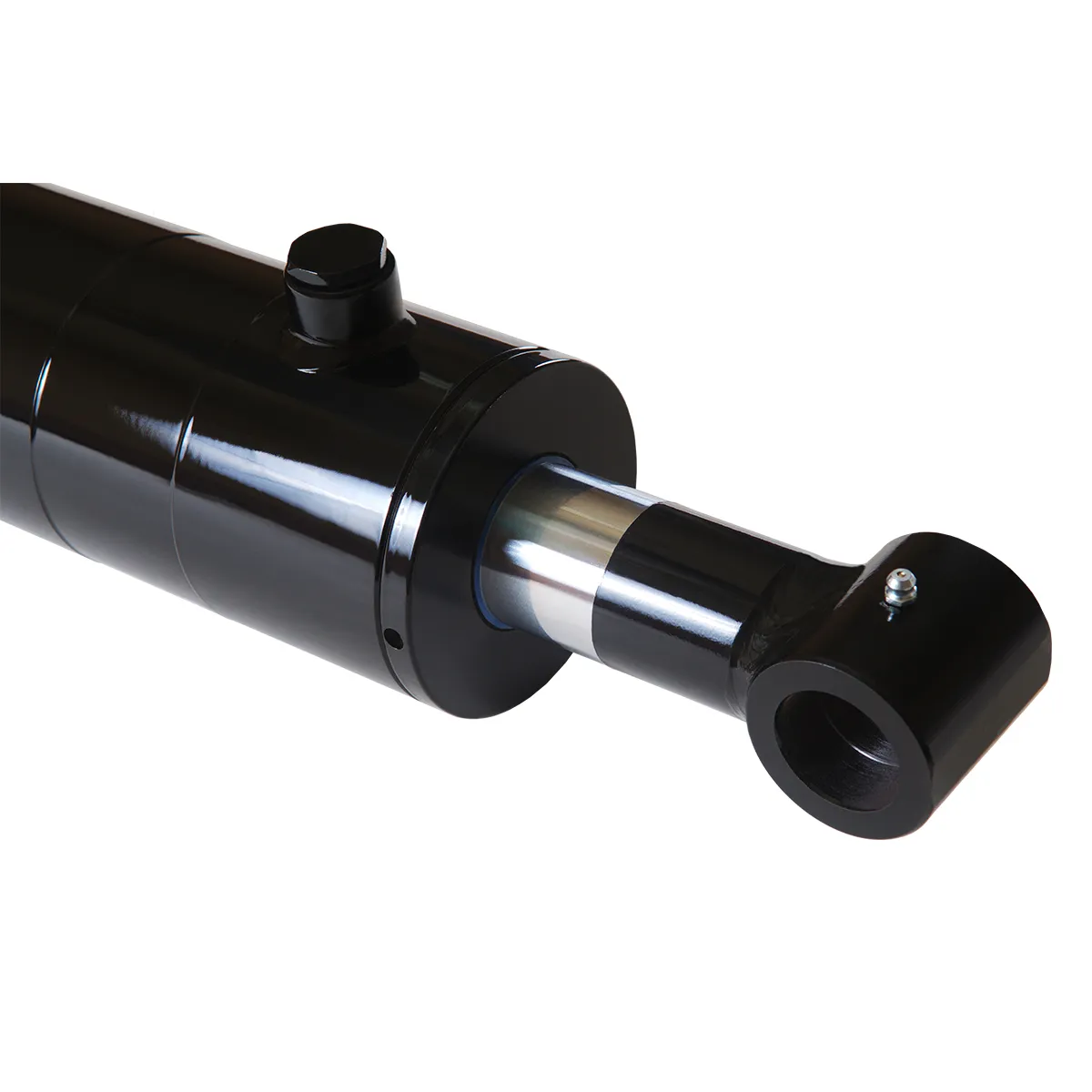
Heavy-Duty Hydraulic Cylinder


Heavy-Duty Hydraulic Cylinders: A Comprehensive Guide

The Ultimate Guide to Heavy-Duty Hydraulic Cylinders

Understanding Heavy-Duty Hydraulic Cylinders

In the world of industrial machinery and equipment, heavy-duty hydraulic cylinders play a crucial role in providing powerful and reliable force. These cylinders are designed to withstand high pressures and heavy loads, making them ideal for a wide range of applications across various industries.

Definition and Composition

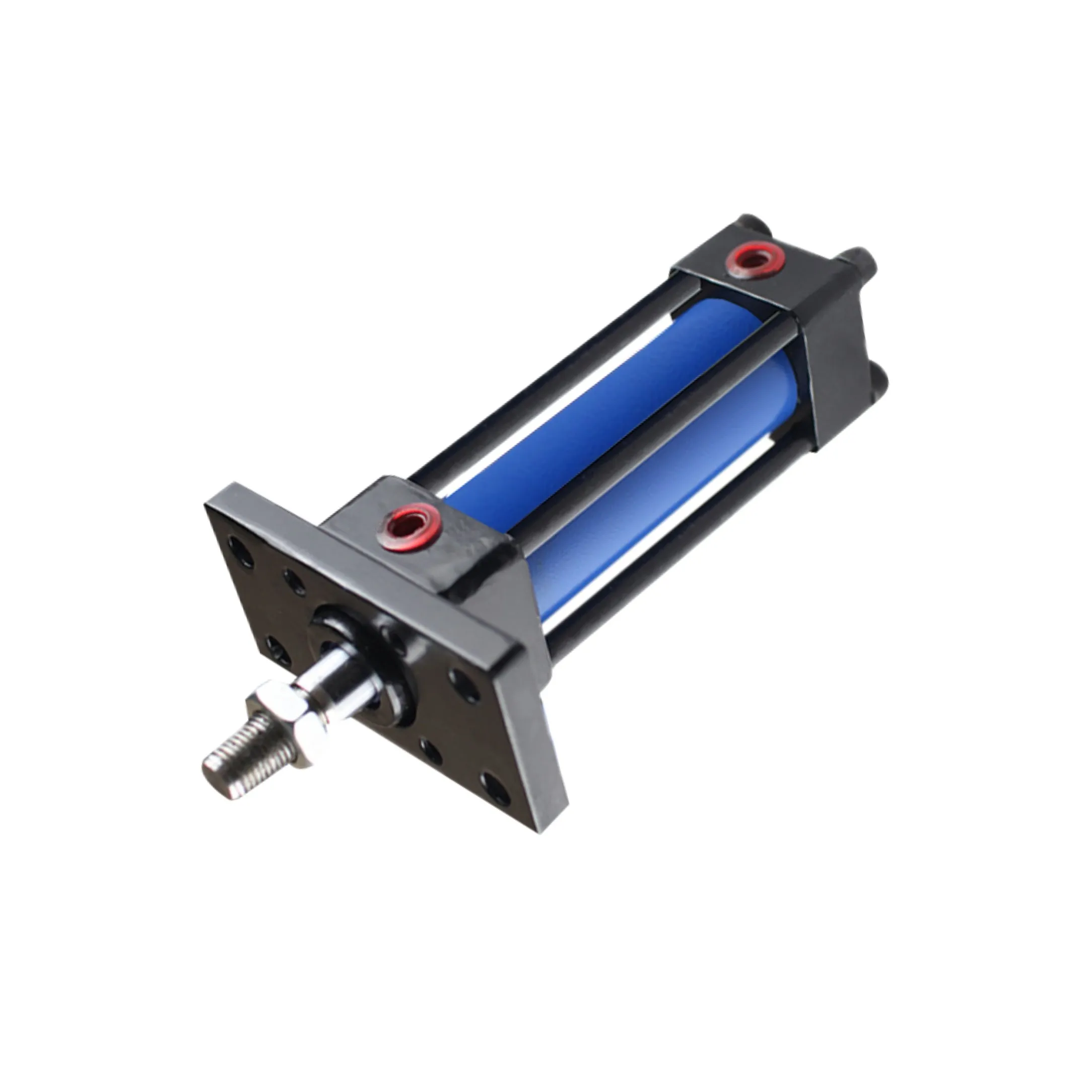
A heavy-duty hydraulic cylinder is a mechanical actuator that utilizes hydraulic power to produce linear motion. It consists of a cylinder barrel, piston, rod, seals, and other components that work together to convert fluid pressure into mechanical force.

Importance and Applications

Heavy-duty hydraulic cylinders are essential in industries such as construction, mining, agriculture, and manufacturing, where high force and precision are required. They are used in hydraulic presses, cranes, dump trucks, and other heavy machinery to perform tasks such as lifting, pushing, and pulling with efficiency and accuracy.

Working Principle and Basic Operation

The working principle of a heavy-duty hydraulic cylinder is based on Pascal’s law, which states that pressure exerted on a confined fluid is transmitted equally in all directions. When hydraulic fluid is pumped into the cylinder, it pushes the piston, creating linear motion that is transferred to the load.

Types and Configurations

There are various types of heavy-duty hydraulic cylinders, including single-acting, double-acting, telescopic, and differential cylinders. Each type has unique features and configurations that cater to specific applications and requirements.

Advantages of Heavy-Duty Hydraulic Cylinders

  • High force output and precision control
  • Durable construction for long-lasting performance
  • Efficient power transmission with minimal energy loss
  • Versatile design for adaptability to different tasks
  • Low maintenance requirements for cost-effective operation

Industries Where Heavy-Duty Hydraulic Cylinders Are Widely Used

Heavy-duty hydraulic cylinders are indispensable in industries such as:

  • Construction: Excavators, bulldozers, and cranes
  • Mining: Drilling rigs, haul trucks, and conveyor systems
  • Agriculture: Tractors, harvesters, and irrigation equipment
  • Manufacturing: Presses, injection molding machines, and assembly lines
  • Automotive: Hydraulic lifts, jacks, and braking systems

Factors Affecting Performance

Several factors can impact the performance of heavy-duty hydraulic cylinders, including:

  • Load capacity and maximum working pressure
  • Piston diameter and rod size considerations
  • Cylinder stroke length and retract speed
  • Seal selection and sealing mechanism
  • Operating temperature range and fluid compatibility

Importance of Maintenance and Care

Regular maintenance and care are essential to ensure the optimal performance and longevity of heavy-duty hydraulic cylinders. Proper inspection and preventive measures can help prevent costly downtime and repairs.

Maintenance Tasks

  • Cleaning: Remove dirt and debris to prevent contamination
  • Lubrication: Ensure smooth operation and reduce friction
  • Checking Wear: Monitor wear and tear on components for early detection

Correct Installation Guide

Proper installation of heavy-duty hydraulic cylinders is crucial for their performance and safety. Aligning and parallelism ensure efficient operation and prevent premature wear and damage.

Fault Diagnosis and Troubleshooting
Common problems with heavy-duty hydraulic cylinders include leaks, sluggish operation, and insufficient force. By diagnosing faults and implementing effective solutions, operators can maintain optimal performance and productivity.

FAQs

Here are answers to some common questions about heavy-duty hydraulic cylinders:

  • What are heavy-duty hydraulic cylinders? – Heavy-duty hydraulic cylinders are mechanical actuators that use hydraulic power to produce linear motion in heavy machinery.
  • What industries commonly use heavy-duty hydraulic cylinders? – Industries such as construction, mining, agriculture, manufacturing, and automotive rely on heavy-duty hydraulic cylinders for various applications.
  • What factors affect the performance of heavy-duty hydraulic cylinders? – Factors like load capacity, pressure, design, maintenance, and operating conditions can influence the performance of hydraulic cylinders.
High-Performance Mobile Hydraulic Cylinder For Superior Lifting Performance


High-Performance Mobile Hydraulic Cylinder For Superior Lifting Performance

Introduction to Mobile Hydraulic Cylinders

In the realm of hydraulic engineering, mobile hydraulic cylinders play a crucial role in powering a wide array of applications. These versatile components are essential for lifting, pushing, and moving heavy loads in various industries.

Definition and Composition

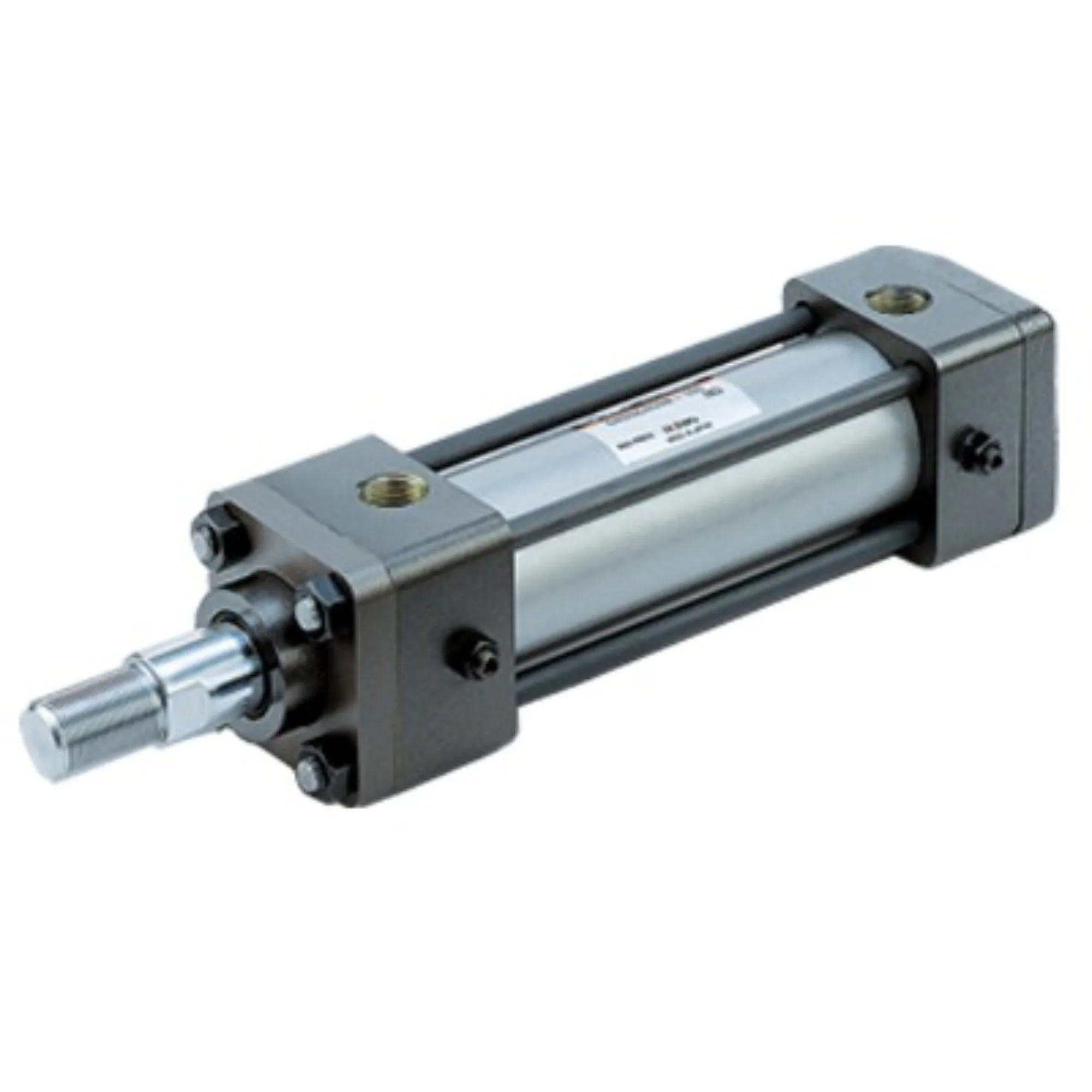
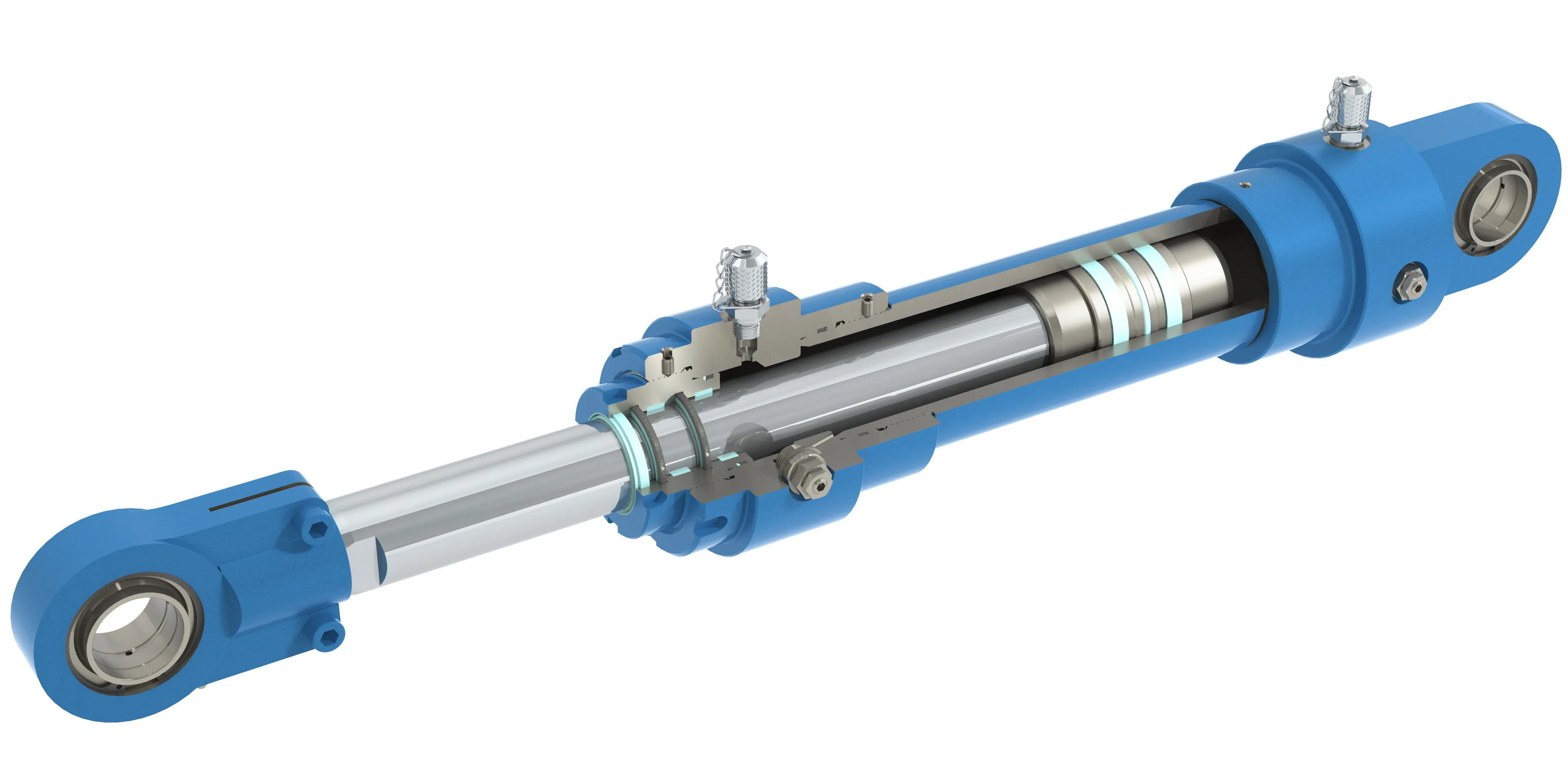
Mobile hydraulic cylinders are mechanical actuators that utilize fluid power to produce linear motion. They consist of a cylindrical barrel, piston, rod, seals, and hydraulic fluid. These components work together to convert hydraulic energy into mechanical force.

How They Work

When pressurized hydraulic fluid enters the cylinder, it pushes against the piston, causing it to move in a linear direction. This motion generates force that is used to lift or move heavy objects in mobile applications.

Overview of Mobile Hydraulic Cylinder Operation

Mobile hydraulic cylinders operate on the principle of Pascal’s Law, which states that pressure exerted at any point in a confined fluid is transmitted equally in all directions. This principle allows hydraulic cylinders to generate significant force with relatively small input pressure.

Types of Mobile Hydraulic Cylinders

There are several types of mobile hydraulic cylinders, including single-acting, double-acting, telescopic, and differential cylinders. Each type serves specific functions based on the application requirements.

Advantages of Mobile Hydraulic Cylinders

  • Enhanced strength and power for heavy lifting and pushing tasks
  • Improved accuracy and control of precise motion
  • Compact design and space-saving advantages for mobile machinery
  • Increased durability and resistance to harsh working conditions
  • Efficient use of energy, reduced fuel consumption, fast response time

Mobile hydraulic cylinders offer a range of benefits that make them ideal for demanding applications in various industries.

Industries Where Mobile Hydraulic Cylinders are Widely Used

Mobile hydraulic cylinders are integral components in industries such as construction, mining, agriculture, material handling, forestry, and multi-purpose vehicles. They power a variety of equipment, including excavators, dump trucks, tractors, forklifts, and garbage trucks.

Selecting the Right Mobile Hydraulic Cylinder

When choosing a mobile hydraulic cylinder, factors such as load capacity, stroke length, operating pressure, and compliance with safety standards must be considered. Custom options are available to ensure the cylinder meets specific application requirements.

Maintenance and Care of Mobile Hydraulic Cylinders

Regular maintenance is essential to ensure the optimal performance and longevity of mobile hydraulic cylinders. Inspection and preventive measures help identify and address potential issues before they escalate.

Installation Guide for Mobile Hydraulic Cylinders

Proper installation of mobile hydraulic cylinders is critical for their efficient operation. Follow manufacturer guidelines and ensure all connections are secure to prevent leaks or malfunctions.

Maintenance Tasks for Mobile Hydraulic Cylinders

  • Cleaning: Remove dirt and debris to prevent contamination of hydraulic fluid
  • Lubrication: Apply grease to moving parts to reduce friction and wear
  • Checking wear: Inspect seals, rods, and other components for signs of wear or damage

Fault Diagnosis and Common Problems

Common issues with mobile hydraulic cylinders include leaks, seal failures, and piston malfunctions. Proper diagnosis and troubleshooting techniques can help identify and resolve these problems effectively.

FAQs about Mobile Hydraulic Cylinders

1. What are some common sizes and capacities of mobile hydraulic cylinders?

2. How are mobile hydraulic cylinders controlled?

3. What are the safety considerations when working with mobile hydraulic cylinders?

Long-Tail Keywords for Mobile Hydraulic Cylinders

1. High-Performance Mobile Hydraulic Cylinder

2. Superior Lifting Performance

3. Hydraulic Cylinder Replacement

Our Company

We are a leading hydraulic cylinder manufacturer and wholesale distributor, offering a comprehensive product line to meet the diverse needs of our customers. Our commitment to quality, international standards, customization, advanced production equipment, and exceptional after-sales service sets us apart in the industry.

Author: lyl

Customizable Mobile Hydraulic Cylinder For Specific Equipment Needs


Customizable Mobile Hydraulic Cylinder For Specific Equipment Needs

The Definition and Composition of Mobile Hydraulic Cylinders

Mobile hydraulic cylinders are essential components in various machines and equipment, providing power for mobile applications. These cylinders are comprised of a cylindrical barrel, piston, rod, seals, and hydraulic fluid, working together to convert hydraulic energy into mechanical force.

Overview of Mobile Hydraulic Cylinder Operation Principle

Mobile hydraulic cylinders operate based on Pascal’s principle, which states that when pressure is applied to a confined fluid, the pressure is transmitted equally in all directions. This principle allows hydraulic cylinders to generate linear motion and exert force for lifting, pushing, or pulling tasks.

Types of Mobile Hydraulic Cylinders and Their Functions

Single-acting Cylinder

Single-acting cylinders use hydraulic pressure to extend the piston, but rely on external forces like gravity or springs to retract. They are commonly used in applications where only one direction of force is needed.

Double-acting Cylinder

Double-acting cylinders use hydraulic pressure to extend and retract the piston, providing force in both directions. They are versatile and suitable for applications requiring precise control of motion.

Advantages of Mobile Hydraulic Cylinders

  • Enhanced strength and power for heavy lifting and pushing tasks
  • Improved accuracy and control of precise motion
  • Compact design and space-saving advantages for mobile machinery
  • Increased durability and resistance to harsh working conditions
  • Efficient use of energy, reducing fuel consumption and fast response time

Industries Where Mobile Hydraulic Cylinders Are Widely Used

Mobile hydraulic cylinders are utilized in various industries, including construction machinery, mining equipment, agricultural machinery, material handling equipment, and forestry and logging machinery. Examples include excavators, dump trucks, tractors, forklifts, and pile drivers.

How to Select the Right Mobile Hydraulic Cylinder

When selecting a mobile hydraulic cylinder, factors such as load capacity, stroke length, operating pressure, and compliance with safety standards must be considered. Custom options for specific applications can ensure the cylinder meets the requirements of the equipment.

Importance of Regular Maintenance and Care

Regular maintenance of mobile hydraulic cylinders is crucial to ensure optimal performance and longevity. Inspections, preventive maintenance measures, and adherence to maintenance schedules can prevent breakdowns and costly repairs.

Mobile Hydraulic Cylinder Installation Guide

Proper installation of mobile hydraulic cylinders involves securing the cylinder, connecting hydraulic hoses, and testing for leaks. Following manufacturer guidelines and using appropriate tools are essential for safe and effective installation.

Maintenance Tasks for Mobile Hydraulic Cylinders

  • Cleaning: Regularly cleaning the cylinder components prevents dirt and debris from affecting performance.
  • Lubrication: Applying lubricants to moving parts reduces friction and wear, extending the cylinder’s lifespan.
  • Checking Wear: Monitoring wear on seals, rods, and pistons helps identify potential issues before they escalate.

Fault Diagnosis and Common Problems

Common issues with mobile hydraulic cylinders include leaks, seal damage, and piston misalignment. Proper diagnosis, troubleshooting, and timely repairs can resolve these problems and ensure optimal cylinder performance.

Frequently Asked Questions

  • What are some common sizes and capacities of mobile hydraulic cylinders?
  • How are mobile hydraulic cylinders controlled?
  • What are the safety considerations when working with mobile hydraulic cylinders?

Company Focus

We are a leading hydraulic cylinder manufacturer specializing in customizable solutions for specific equipment needs. Our comprehensive product line, international certifications, customized services, advanced production equipment, and dedicated after-sales support set us apart in the industry.

Author: lyl

Self-Aligning Mobile Hydraulic Cylinder For Improved Accuracy


Self-Aligning Mobile Hydraulic Cylinder For Improved Accuracy

Understanding Self-Aligning Mobile Hydraulic Cylinders

Definition and Composition

Self-aligning mobile hydraulic cylinders are essential components in various mobile applications, designed to provide precise motion and enhanced accuracy. These cylinders consist of a piston, rod, barrel, and hydraulic fluid, working together to generate power for lifting and pushing tasks.

Principle of Operation Overview

Mobile hydraulic cylinders operate based on the principle of transmitting force through a confined fluid, resulting in linear motion of the piston. This motion is controlled by regulating the fluid pressure, allowing for accurate and controlled movement in mobile machinery.

Different Types and Functions

There are several types of mobile hydraulic cylinders, including single-acting, double-acting, telescopic, and plunger cylinders, each serving specific functions. Single-acting cylinders provide force in one direction, while double-acting cylinders offer force in both directions. Telescopic cylinders have multiple stages for extended reach, and plunger cylinders are used for high-pressure applications.

Advantages of Self-Aligning Mobile Hydraulic Cylinders

  1. Enhanced Strength and Power: These cylinders provide robust force for heavy lifting and pushing tasks, increasing efficiency in mobile applications.
  2. Improved Accuracy and Control: Precise motion control ensures accurate positioning and operation of machinery.
  3. Compact Design: Space-saving advantages make these cylinders ideal for mobile equipment with limited space.
  4. Durability and Resistance: They are built to withstand harsh working conditions, ensuring long-term reliability.
  5. Energy Efficiency: Self-aligning cylinders reduce fuel consumption and offer fast response times, enhancing overall performance.

Industries Using Self-Aligning Mobile Hydraulic Cylinders

Self-aligning mobile hydraulic cylinders are widely utilized in industries such as construction machinery, mining equipment, agricultural machinery, material handling equipment, forestry and logging machinery, and multi-purpose vehicles. Examples include excavators, dump trucks, tractors, forklifts, pile drivers, garbage trucks, and more.

Choosing the Right Cylinder

When selecting a mobile hydraulic cylinder, factors like load capacity, stroke length, operating pressure, and custom options must be considered to ensure compatibility with specific applications. It is crucial to adhere to safety and industry standards for optimal performance.

Maintenance and Care

Regular maintenance of self-aligning mobile hydraulic cylinders is vital for prolonging their lifespan and ensuring efficient operation. This includes routine inspections, preventive measures, and timely repairs to prevent breakdowns and downtime.

Installation Guide

Proper installation of mobile hydraulic cylinders involves securing them in place, connecting hydraulic lines, and testing for leaks or malfunctions. Following manufacturer guidelines and safety protocols is essential for a successful installation process.

Maintenance Tasks

  1. Cleaning: Removing dirt and debris from the cylinder surface to prevent contamination and maintain optimal performance.
  2. Lubrication: Applying lubricants to moving parts to reduce friction and wear, ensuring smooth operation.
  3. Checking Wear: Inspecting for signs of wear or damage on seals, rods, and other components, and replacing them as needed to prevent malfunctions.

Fault Diagnosis and Solutions

In the event of malfunctions or issues with self-aligning mobile hydraulic cylinders, diagnosing the problem accurately is crucial. Common problems may include leaks, seal damage, or pressure inconsistencies, which can be resolved through proper troubleshooting and maintenance.

FAQs About Mobile Hydraulic Cylinders

1. What are some common sizes and capacities of mobile hydraulic cylinders?

2. How are mobile hydraulic cylinders controlled?

3. What are the safety considerations when working with mobile hydraulic cylinders?

Long-Tail Keywords

1. Precision Mobile Hydraulic Cylinder for Enhanced Accuracy

2. Advanced Self-Aligning Hydraulic Cylinder for Improved Efficiency

3. High-Performance Mobile Hydraulic Cylinder for Reliable Operation

About Our Company

We are a leading hydraulic cylinder manufacturer specializing in self-aligning mobile hydraulic cylinders for improved accuracy and efficiency. With a comprehensive product line, international certifications, and custom solutions, we cater to diverse industry needs and offer top-notch after-sales services.

Author: lyl

Corrosion-Resistant Stainless Steel Mobile Hydraulic Cylinder For Harsh Environments


Corrosion-Resistant Stainless Steel Mobile Hydraulic Cylinder For Harsh Environments

Subtitle Expansion Introduces Keywords

Before delving into the specifics of the corrosion-resistant stainless steel mobile hydraulic cylinder for harsh environments, it is essential to understand the key terms involved in this technology.

Definition and Composition of Mobile Hydraulic Cylinders

A mobile hydraulic cylinder is a mechanical actuator that utilizes fluid power to generate force in a mobile application. It consists of a cylinder barrel, piston, and hydraulic fluid that work together to create linear motion.

How Mobile Hydraulic Cylinders Work

When hydraulic fluid is pumped into the cylinder, it pushes against the piston, causing it to move and generate power for various mobile applications. This process allows for precise control and efficient operation in challenging environments.

Overview of Mobile Hydraulic Cylinder Operation Principles

Mobile hydraulic cylinders operate on the principle of converting hydraulic energy into mechanical force. By harnessing the power of pressurized fluid, these cylinders can perform a wide range of tasks with precision and reliability.

Different Types of Mobile Hydraulic Cylinders

There are several types of mobile hydraulic cylinders, including single-acting, double-acting, telescopic, and differential cylinders. Each type serves a specific function and is designed for particular applications.

Single-Acting Cylinder

A single-acting cylinder operates in one direction, using hydraulic pressure to extend or retract the piston rod. It is commonly used in applications where a load needs to be lifted or pushed in a single direction.

Double-Acting Cylinder

A double-acting cylinder operates in both directions, providing power for both extension and retraction of the piston rod. This type of cylinder is versatile and widely used in various mobile machinery.

Advantages of Corrosion-Resistant Stainless Steel Mobile Hydraulic Cylinder

  • Enhanced strength and power for heavy lifting and pushing tasks
  • Improved accuracy and control of precise motion
  • Compact design and space-saving advantages for mobile machinery
  • Increased durability and resistance to harsh working conditions
  • Efficient use of energy, reduced fuel consumption, fast response time

Each of these advantages contributes to the overall performance and reliability of the hydraulic cylinder in demanding environments.

Industries Where Mobile Hydraulic Cylinders Are Widely Used

Mobile hydraulic cylinders play a vital role in various industries, including construction machinery, mining equipment, agricultural machinery, material handling equipment, forestry and logging machinery, and multi-purpose vehicles.

Construction Machinery

Examples include excavators, cranes, loaders, and bulldozers, where hydraulic cylinders are used for lifting, digging, and moving heavy materials.

Mining Equipment

Hydraulic cylinders are essential components in dump trucks, drills, and hydraulic shovels, facilitating efficient operations in mining sites.

How to Select the Right Mobile Hydraulic Cylinder

When choosing a mobile hydraulic cylinder for a specific application, factors such as load capacity, stroke length, operating pressure, and compliance with safety standards must be considered. Custom options and industry-specific requirements should also be taken into account to ensure optimal performance.

Significance of Regular Maintenance and Care

Regular maintenance of mobile hydraulic cylinders is crucial to prolong their lifespan and ensure efficient operation. By implementing preventive measures and routine inspections, potential issues can be identified and addressed promptly.

Mobile Hydraulic Cylinder Installation Guide

Proper installation of mobile hydraulic cylinders is essential for their optimal performance. Following manufacturer guidelines and industry best practices can help prevent operational issues and ensure safety.

Maintenance Tasks for Mobile Hydraulic Cylinders

  • Cleaning: Removing dirt and debris to prevent contamination and maintain smooth operation
  • Lubrication: Applying lubricants to reduce friction and wear on moving parts
  • Checking Wear: Inspecting components for signs of wear and tear to prevent potential failures

Fault Diagnosis and Common Problems

In the event of a malfunction, diagnosing common issues with mobile hydraulic cylinders is essential for prompt resolution. By identifying the root cause of problems, appropriate troubleshooting steps can be taken to restore functionality.

Common Questions About Mobile Hydraulic Cylinders

1. What are some common sizes and capacities of mobile hydraulic cylinders?

2. How are mobile hydraulic cylinders controlled?

3. What are the safety considerations when working with mobile hydraulic cylinders?

Long-Tail Keywords of Mobile Hydraulic Cylinder

1. Stainless steel hydraulic cylinder for corrosive environments

2. High-performance hydraulic cylinder for rugged conditions

3. Customized mobile hydraulic cylinder solutions for extreme applications

Company Focus

We are a leading manufacturer of hydraulic cylinders, specializing in corrosion-resistant stainless steel cylinders for harsh environments. With a comprehensive product line and a commitment to quality, we aim to provide reliable solutions for mobile applications worldwide.

Our company is dedicated to meeting international standards, offering customized services, utilizing advanced production equipment, and providing exceptional after-sales support to ensure customer satisfaction.

Author: lyl

Fail-Safe Mobile Hydraulic Cylinder For Improved Safety Features


Fail-Safe Mobile Hydraulic Cylinder For Improved Safety Features

The Definition and Composition of Mobile Hydraulic Cylinders

Mobile hydraulic cylinders are essential components in hydraulic systems that are designed for use in mobile applications. These cylinders are responsible for converting fluid power into mechanical force and motion, allowing for the movement of heavy loads and equipment.

How Mobile Hydraulic Cylinders Work

Mobile hydraulic cylinders operate based on the principle of Pascal’s Law, which states that when pressure is applied to a confined fluid, it will transmit that pressure equally in all directions. This pressure is used to extend or retract the piston rod inside the cylinder, generating the necessary force to move the load.

Types of Mobile Hydraulic Cylinders

  • Single-acting cylinders: These cylinders exert force in one direction only and rely on an external force to return to their original position.
  • Double-acting cylinders: These cylinders can exert force in both directions, allowing for more precise control of motion.

Advantages of Mobile Hydraulic Cylinders

  1. Enhanced strength and power for heavy lifting and pushing tasks: Mobile hydraulic cylinders provide the necessary force to handle heavy loads with ease.
  2. Improved accuracy and control of precise motion: These cylinders offer precise control over the movement of equipment, ensuring accuracy in operation.
  3. Compact design and space-saving advantages: Mobile hydraulic cylinders are designed to be compact, making them ideal for use in tight spaces.
  4. Increased durability and resistance to harsh working conditions: These cylinders are built to withstand tough environments, ensuring long-lasting performance.
  5. Efficient use of energy, reduced fuel consumption, fast response time, fast operating speed: Mobile hydraulic cylinders are energy-efficient and offer quick response times for efficient operation.

Industries Where Mobile Hydraulic Cylinders Are Widely Used

Mobile hydraulic cylinders are commonly used in various industries, including construction machinery, mining equipment, agricultural machinery, material handling equipment, forestry and logging machinery, and multi-purpose vehicles.

Selection of the Right Mobile Hydraulic Cylinder

When selecting a mobile hydraulic cylinder for a specific application, factors such as load capacity, stroke length, operating pressure, and compliance with safety standards must be considered to ensure optimal performance.

Importance of Regular Maintenance and Care

Regular maintenance of mobile hydraulic cylinders is crucial to ensure their proper functioning and longevity. Inspections and preventive maintenance measures should be carried out to identify and address any potential issues.

Mobile Hydraulic Cylinder Installation Guide

Proper installation of mobile hydraulic cylinders is essential to ensure their optimal performance. Follow the manufacturer’s guidelines and recommendations for a successful installation process.

Maintenance Tasks for Mobile Hydraulic Cylinders

  1. Cleaning: Regular cleaning of hydraulic cylinders helps prevent the buildup of dirt and debris, ensuring smooth operation.
  2. Lubrication: Proper lubrication of moving parts reduces friction and wear, extending the lifespan of the cylinder.
  3. Checking wear: Regularly inspecting the cylinder for signs of wear and tear allows for timely maintenance and replacement of worn components.

Fault Diagnosis and Common Problems

In the event of a malfunction, it is important to diagnose and address common issues such as leaks, overheating, and insufficient pressure. Troubleshooting tips and solutions can help resolve problems effectively.

Common Questions About Mobile Hydraulic Cylinders

  • What are some common sizes and capacities of mobile hydraulic cylinders?
  • How are mobile hydraulic cylinders controlled?
  • What are the safety considerations when working with mobile hydraulic cylinders?

Long-Tail Keywords for Mobile Hydraulic Cylinders

  • Fail-Safe Mobile Hydraulic Cylinder
  • Improved Safety Features
  • Hydraulic Cylinder Replacement

Our Company

We are a leading hydraulic cylinder manufacturer and wholesale distributor, offering a complete product line to meet the needs of our domestic and international clients. Our company is known for its professional services, international certifications, customized solutions, state-of-the-art production equipment, and reliable after-sales support.

Author: lyl

Noise-Reducing Mobile Hydraulic Cylinder For Quieter Operation


Noise-Reducing Mobile Hydraulic Cylinder For Quieter Operation

The Definition and Composition of Mobile Hydraulic Cylinders

Mobile hydraulic cylinders are mechanical actuators that are used to provide power in mobile applications. They are composed of a cylinder barrel, piston, piston rod, seals, and end caps. These components work together to convert fluid power into mechanical motion.

Mobile Hydraulic Cylinder Operation Overview

Mobile hydraulic cylinders operate based on the principle of Pascal’s law, which states that pressure exerted on a confined fluid is transmitted equally in all directions. When hydraulic fluid is pumped into the cylinder, it pushes against the piston, causing linear motion.

Different Types of Mobile Hydraulic Cylinders

Single-acting Hydraulic Cylinder

A single-acting hydraulic cylinder uses hydraulic fluid to extend the piston, but relies on an external force, such as gravity or a spring, to retract it. This type is commonly used in applications where the return stroke is not critical.

Double-acting Hydraulic Cylinder

A double-acting hydraulic cylinder uses hydraulic fluid to extend and retract the piston, providing power in both directions. This type is ideal for applications that require precise control over motion.

Advantages of Noise-Reducing Mobile Hydraulic Cylinder

Enhanced Strength and Power

The noise-reducing hydraulic cylinder offers increased strength and power for heavy lifting and pushing tasks, making it ideal for demanding applications.

Improved Accuracy and Control

With precise motion control, the noise-reducing hydraulic cylinder ensures accuracy in operation, resulting in efficient performance.

Compact Design

The space-saving advantages of the noise-reducing hydraulic cylinder make it suitable for mobile machinery with limited space constraints.

Durability and Resistance

This cylinder is designed to withstand harsh working conditions, ensuring longevity and reliability in demanding environments.

Efficient Energy Use

By reducing fuel consumption and offering fast response times, the noise-reducing hydraulic cylinder provides efficient energy utilization in mobile applications.

Industries Where Mobile Hydraulic Cylinders are Widely Used

Mobile hydraulic cylinders are commonly found in various industries, including construction machinery, mining equipment, agricultural machinery, material handling equipment, forestry and logging machinery, and multi-purpose vehicles.

How to Select the Right Mobile Hydraulic Cylinder

When choosing a mobile hydraulic cylinder, factors such as load capacity, stroke length, operating pressure, and compliance with safety standards should be considered to ensure optimal performance in specific applications.

Significance of Regular Maintenance

Regular maintenance and care of the mobile hydraulic cylinder are crucial to ensure its longevity and efficiency in operation. By conducting regular inspections and preventive maintenance measures, potential issues can be identified and addressed promptly.

Mobile Hydraulic Cylinder Installation Guide

Proper installation of the mobile hydraulic cylinder is essential for optimal performance. Ensure that the cylinder is securely mounted and aligned with the mechanical components to prevent any operational issues.

Maintenance Tasks for Mobile Hydraulic Cylinders

Cleaning

Regular cleaning of the hydraulic cylinder helps prevent contamination and ensures smooth operation. Use appropriate cleaning agents and tools to maintain the cylinder’s performance.

Lubrication

Applying lubrication to the moving parts of the hydraulic cylinder reduces friction and wear, extending its lifespan and efficiency. Use recommended lubricants for optimal results.

Checking Wear

Regularly inspect the hydraulic cylinder for signs of wear and tear, such as leaks or corrosion. Address any issues promptly to prevent further damage and maintain performance.

Fault Diagnosis and Common Problems

Common issues with mobile hydraulic cylinders include leaks, cylinder drift, and insufficient power. By identifying the root cause of these problems, appropriate troubleshooting steps can be taken to resolve them effectively.

Common Questions About Mobile Hydraulic Cylinders

What are some common sizes and capacities of mobile hydraulic cylinders?

Mobile hydraulic cylinders come in various sizes and capacities to suit different applications, ranging from small to large-scale machinery. Select the cylinder size that matches the specific operational requirements for optimal performance.

How are mobile hydraulic cylinders controlled?

Mobile hydraulic cylinders are controlled using hydraulic systems that regulate fluid flow and pressure to control the piston’s movement. By adjusting valves and controls, operators can precisely manage the cylinder’s motion.

What are the safety considerations when working with mobile hydraulic cylinders?

When operating mobile hydraulic cylinders, safety precautions should be followed to prevent accidents and injuries. Ensure proper installation, regular maintenance, and adherence to safety protocols to minimize risks during operation.

Long-Tail Keywords for Mobile Hydraulic Cylinders

Noise-Reducing Hydraulic Cylinder

The noise-reducing hydraulic cylinder is designed to minimize operational noise, providing a quieter and more efficient working environment for mobile applications.

High-Performance Hydraulic Cylinder

The high-performance hydraulic cylinder offers superior strength and durability, making it suitable for heavy-duty applications that require reliable power and efficiency.

Precision-Control Hydraulic Cylinder

The precision-control hydraulic cylinder ensures accurate motion control and positioning, enabling precise operation in demanding mobile machinery applications.

Our Company

We are a leading hydraulic cylinder manufacturer and wholesale distributor specializing in noise-reducing mobile hydraulic cylinders for quieter operation. With a complete product line and international certifications, we provide customized solutions and exceptional after-sales service to meet our customers’ needs.

Author: lyl

Maintenance-Friendly Mobile Hydraulic Cylinder For Easy Servicing And Upkeep


Maintenance-Friendly Mobile Hydraulic Cylinder For Easy Servicing And Upkeep

The Versatile World of Mobile Hydraulic Cylinders

Subtitle Expansion: Introduction to Mobile Hydraulic Cylinders

Mobile hydraulic cylinders are essential components in various mobile applications, providing the necessary power to perform heavy lifting and pushing tasks. These cylinders are crucial for precise motion control, compact design, durability, energy efficiency, and fast response times.

Overview of Mobile Hydraulic Cylinder Operation

The basic principle of mobile hydraulic cylinder operation involves the transformation of fluid power into linear mechanical force. This force is generated when hydraulic fluid is pressurized and transmitted through the cylinder to push or pull a load.

Types of Mobile Hydraulic Cylinders

There are several types of mobile hydraulic cylinders, each with specific functions tailored to different applications. Some common types include single-acting cylinders, double-acting cylinders, telescopic cylinders, and differential cylinders.

Single-Acting Cylinders

Single-acting cylinders exert force in only one direction, making them ideal for applications where force is needed in one direction only, such as dump trucks or snow plows.

Double-Acting Cylinders

Double-acting cylinders can exert force in both directions, providing more flexibility for applications that require pushing and pulling forces, such as excavators or cranes.

Advantages of Mobile Hydraulic Cylinders

Mobile hydraulic cylinders offer numerous advantages, including enhanced strength and power, improved accuracy and control, compact design, increased durability, energy efficiency, and fast operating speeds.

Enhanced Strength and Power

Mobile hydraulic cylinders provide superior strength and power for heavy lifting and pushing tasks, making them essential for demanding applications in construction, mining, and agriculture.

Improved Accuracy and Control

Precise motion control is achieved through mobile hydraulic cylinders, allowing for accurate positioning and movement of loads in various applications.

Compact Design and Space-Saving

The compact design of mobile hydraulic cylinders saves space in mobile machinery, making them ideal for applications with limited space constraints.

Increased Durability and Resistance

Mobile hydraulic cylinders are built to withstand harsh working conditions, ensuring long-lasting performance and reliability.

Efficient Use of Energy

By utilizing hydraulic fluid power, mobile hydraulic cylinders reduce fuel consumption and provide energy-efficient operation for mobile applications.

Fast Response Time

Mobile hydraulic cylinders offer fast response times and operating speeds, enhancing productivity and efficiency in various industries.

Industries Using Mobile Hydraulic Cylinders

Mobile hydraulic cylinders are widely used in industries such as construction machinery, mining equipment, agricultural machinery, material handling equipment, forestry and logging machinery, and multi-purpose vehicles.

Construction Machinery

Examples include excavators, cranes, loaders, and bulldozers, where mobile hydraulic cylinders play a vital role in lifting and moving heavy loads.

Mining Equipment

Dump trucks, drills, and hydraulic shovels rely on mobile hydraulic cylinders for efficient operation in mining and excavation tasks.

Agricultural Machinery

Tractors, combines, and harvesters utilize mobile hydraulic cylinders for various functions, such as lifting, tilting, and steering.

Material Handling Equipment

Forklifts, overhead lifts, and telescopic handling equipment benefit from the precise motion control provided by mobile hydraulic cylinders.

Forestry and Logging Machinery

Pile drivers, lumberjacks, and harvesters rely on mobile hydraulic cylinders for efficient cutting, lifting, and handling of timber.

Multi-Purpose Vehicles

Garbage trucks, fire trucks, and street sweepers use mobile hydraulic cylinders for various operations, such as lifting, dumping, and compacting waste.

Selecting the Right Mobile Hydraulic Cylinder

When choosing a mobile hydraulic cylinder for a specific application, factors such as load capacity, stroke length, operating pressure, custom options, safety standards, and industry regulations must be considered to ensure optimal performance and safety.

Maintenance and Care of Mobile Hydraulic Cylinders

Regular maintenance and care of mobile hydraulic cylinders are essential to ensure optimal performance, longevity, and safety in mobile applications.

Regular Inspection

Periodic inspections help identify potential issues early on, preventing costly repairs and downtime in mobile hydraulic systems.

Preventive Maintenance Measures

Implementing preventive maintenance measures, such as fluid checks, filter replacements, and seal inspections, can extend the life of mobile hydraulic cylinders and prevent unexpected failures.

Mobile Hydraulic Cylinder Installation Guide

Proper installation of mobile hydraulic cylinders is critical to ensure optimal performance, safety, and longevity in mobile applications. Follow these guidelines for a successful installation process.

Maintenance Tasks for Mobile Hydraulic Cylinders

Regular maintenance tasks such as cleaning, lubrication, and wear checks are essential to keep mobile hydraulic cylinders operating smoothly and efficiently.

Cleaning

Regular cleaning of mobile hydraulic cylinders helps prevent dirt, debris, and contaminants from affecting performance and causing premature wear.

Lubrication

Applying the right lubricants to mobile hydraulic cylinders ensures smooth operation, reduces friction, and extends the life of critical components.

Checking Wear

Periodic wear checks on seals, rods, and other components of mobile hydraulic cylinders help identify potential issues early on and prevent costly repairs.

Fault Diagnosis and Common Problems

Diagnosing common faults and problems in mobile hydraulic cylinders is crucial for maintaining optimal performance and preventing costly repairs. Identify issues early and implement solutions to ensure reliable operation.

Recommended Preventive Measures

To minimize potential problems in mobile hydraulic cylinders, consider implementing preventive measures such as regular inspections, maintenance checks, and fluid analysis to identify and address issues before they escalate.

Frequently Asked Questions

Answering common questions related to mobile hydraulic cylinders can help readers better understand these critical components in mobile applications.

Common Sizes and Capacities

Mobile hydraulic cylinders come in various sizes and capacities to meet the demands of different applications, ranging from small-scale machinery to heavy-duty equipment.

Control Mechanisms

Mobile hydraulic cylinders are controlled through hydraulic systems that regulate fluid flow, pressure, and direction to achieve precise motion control in mobile machinery.

Safety Considerations

Working with mobile hydraulic cylinders requires adherence to safety protocols, such as proper maintenance, training, and awareness of potential hazards to prevent accidents and injuries.

Maintenance Requirements

Regular maintenance of mobile hydraulic cylinders is crucial to ensure optimal performance and longevity in mobile applications. Follow recommended maintenance schedules and procedures to keep cylinders operating smoothly.

Long-Tail Keywords

Exploring long-tail keywords related to mobile hydraulic cylinders can provide valuable insights into specific aspects of these essential components in mobile applications.

Long-Tail Keyword 1

[Explanation of long-tail keyword 1]

Long-Tail Keyword 2

[Explanation of long-tail keyword 2]

Long-Tail Keyword 3

[Explanation of long-tail keyword 3]

Our Company

We are a leading hydraulic cylinder replacement manufacturer, offering a comprehensive product line to meet the diverse needs of our customers in the domestic and international markets. With a focus on quality, innovation, and customer satisfaction, we have established ourselves as a trusted partner for hydraulic solutions.

Our company prides itself on professional services, international certifications, customized solutions, state-of-the-art production equipment, and dedicated after-sales support to ensure the success of our customers’ projects.

Partner with us for reliable, efficient, and cost-effective hydraulic cylinder solutions tailored to your specific requirements and applications.

Author: lyl

High-Precision Mobile Hydraulic Cylinder For Accurate Load Positioning


High-Precision Mobile Hydraulic Cylinder For Accurate Load Positioning

Introduction to Mobile Hydraulic Cylinders

Subtitle Expansion: Introduction to Mobile Hydraulic Cylinders

Mobile hydraulic cylinders are essential components in various industries that require precise motion control and heavy lifting capabilities. These cylinders are designed to generate power for mobile applications, providing enhanced strength and accuracy for demanding tasks.

Definition and Composition

A mobile hydraulic cylinder is a mechanical actuator that converts hydraulic energy into linear motion. It consists of a cylindrical barrel, piston, rod, seals, and hydraulic fluid. The cylinder’s design allows for controlled movement and force transmission in mobile machinery.

Overview of Mobile Hydraulic Cylinder Operation

The basic principle of mobile hydraulic cylinder operation involves utilizing hydraulic pressure to extend or retract the piston rod. The movement of the piston generates force that is transmitted to the load, allowing for precise positioning and movement control.

Types of Mobile Hydraulic Cylinders

There are various types of mobile hydraulic cylinders, each with specific functions and applications. These include telescopic cylinders, double-acting cylinders, single-acting cylinders, and differential cylinders, each designed for different tasks and load requirements.

Telescopic Cylinders

Telescopic cylinders are ideal for applications that require a long stroke length and compact design. They are commonly used in dump trucks, cranes, and other equipment that require extended reach capabilities.

Double-Acting Cylinders

Double-acting cylinders provide force in both directions, allowing for bi-directional movement control. They are commonly used in applications where precise motion control is essential, such as material handling equipment.

Advantages of Mobile Hydraulic Cylinders

Enhanced Strength and Power

Mobile hydraulic cylinders provide increased strength and power for heavy lifting and pushing tasks, making them ideal for demanding applications in construction and mining industries.

Improved Accuracy and Control

These cylinders offer precise motion control, allowing for accurate load positioning and movement in various mobile machinery applications.

Compact Design and Space-Saving

Mobile hydraulic cylinders have a compact design, making them ideal for applications where space is limited. Their space-saving advantages make them suitable for a wide range of mobile equipment.

Durability and Resistance

These cylinders are designed to withstand harsh working conditions, providing increased durability and resistance to wear and tear in challenging environments.

Efficient Energy Use

Mobile hydraulic cylinders are energy-efficient, reducing fuel consumption and operating costs. Their fast response time and operating speed contribute to overall efficiency in mobile applications.

Industries Where Mobile Hydraulic Cylinders are Widely Used

Construction Machinery

Mobile hydraulic cylinders are commonly used in excavators, cranes, loaders, and bulldozers for heavy lifting and movement control in construction projects.

Mining Equipment

These cylinders are essential components in dump trucks, drills, and hydraulic shovels used in mining operations for efficient load handling and movement control.

Agricultural Machinery

Tractors, combines, and harvesters rely on mobile hydraulic cylinders for precise motion control and efficient operation in agricultural tasks such as planting and harvesting.

Material Handling Equipment

Forklifts, overhead lifts, and telescopic handling equipment use hydraulic cylinders for lifting and positioning loads in warehouses and distribution centers.

Forestry and Logging Machinery

Pile drivers, lumberjacks, and harvesters in the forestry industry utilize hydraulic cylinders for efficient movement control and load handling in logging operations.

Selecting the Right Mobile Hydraulic Cylinder

Load Capacity

When selecting a mobile hydraulic cylinder, it is essential to consider the load capacity requirements of the application to ensure that the cylinder can handle the intended workload without compromising performance.

Stroke Length

The stroke length of the cylinder should match the movement requirements of the application to achieve optimal positioning and control of the load.

Operating Pressure

Operating pressure is a critical factor to consider when selecting a hydraulic cylinder, as it determines the force output and performance capabilities of the cylinder in various applications.

Maintenance and Care of Mobile Hydraulic Cylinders

Regular maintenance and care of mobile hydraulic cylinders are essential to ensure optimal performance and longevity. Proper maintenance practices can help prevent costly repairs and downtime in mobile machinery operations.

Regular Inspection

Regular inspection of hydraulic cylinders can help detect potential issues early and prevent major failures. Inspecting seals, connections, and fluid levels is crucial for maintaining cylinder performance.

Preventive Maintenance Measures

Implementing preventive maintenance measures such as filter replacements, fluid checks, and seal inspections can extend the life of mobile hydraulic cylinders and improve overall reliability in mobile applications.

Installation Guide for Mobile Hydraulic Cylinders

Proper installation of mobile hydraulic cylinders is essential to ensure safe and efficient operation. Following the manufacturer’s guidelines and industry standards can help avoid installation errors and potential safety hazards in mobile equipment.

Maintenance Tasks for Mobile Hydraulic Cylinders

Cleaning

Regular cleaning of hydraulic cylinders can help prevent dirt and debris buildup, ensuring smooth operation and extending the life of the cylinder components.

Lubrication

Proper lubrication of hydraulic cylinder components is essential to reduce friction and wear, maintaining optimal performance and preventing premature failure.

Checking Wear

Regularly checking for wear and tear on cylinder components such as seals, rods, and pistons can help identify potential issues early and prevent major failures in mobile machinery operations.

Fault Diagnosis and Common Problems

Identifying common faults and problems in mobile hydraulic cylinders is crucial for effective troubleshooting and maintenance. Understanding the root causes of issues can help address them promptly and prevent future failures.

Safety Considerations and Preventive Measures

When working with mobile hydraulic cylinders, it is essential to follow safety guidelines and protocols to prevent accidents and injuries. Implementing preventive measures such as regular inspections and proper maintenance can minimize potential risks and ensure safe operation.

FAQs about Mobile Hydraulic Cylinders

What are some common sizes and capacities of mobile hydraulic cylinders?

Mobile hydraulic cylinders are available in various sizes and capacities to meet the diverse needs of different applications. Common sizes range from small compact cylinders to large heavy-duty cylinders, with capacities ranging from a few tons to several hundred tons.

How are mobile hydraulic cylinders controlled?

Mobile hydraulic cylinders are typically controlled using hydraulic systems that regulate the flow of hydraulic fluid to extend or retract the piston. Control mechanisms such as valves, pumps, and actuators are used to manipulate the movement of the cylinder in mobile machinery.

What are the safety considerations when working with mobile hydraulic cylinders?

Safety considerations when working with mobile hydraulic cylinders include proper training, following safety protocols, using personal protective equipment, and ensuring that equipment is properly maintained and inspected. Adhering to safety guidelines can help prevent accidents and injuries in mobile machinery operations.

Long-Tail Keywords for Mobile Hydraulic Cylinders

Precision Control Hydraulic Cylinders

Precision control hydraulic cylinders offer high accuracy and positioning control for demanding applications that require precise motion control and load positioning.

Heavy-Duty Mobile Hydraulic Cylinders

Heavy-duty mobile hydraulic cylinders provide enhanced strength and power for heavy lifting and pushing tasks in construction, mining, and material handling industries.

Compact Design Hydraulic Cylinders

Compact design hydraulic cylinders feature a space-saving design that makes them ideal for applications where space is limited, such as mobile equipment and machinery with tight operating environments.

Our Company

We are a leading hydraulic cylinder replacement manufacturer with a comprehensive product line catering to diverse industries. Our company has established itself as a trusted supplier in the domestic and international markets, offering high-quality hydraulic cylinders and customized solutions for various applications.

With professional certifications, state-of-the-art production equipment, and a commitment to excellence, we strive to meet the needs of our customers with innovative solutions and superior customer service. Our after-sales support ensures that our products perform optimally and meet industry standards for safety and reliability.

Author: lyl

Lightweight Aluminum Mobile Hydraulic Cylinder For Improved Portability


Advanced Guide to Lightweight Aluminum Mobile Hydraulic Cylinder For Improved Portability

The Definition and Composition of Mobile Hydraulic Cylinders

Mobile hydraulic cylinders are essential components in hydraulic systems used in various applications, providing linear force and motion. These cylinders are composed of a cylindrical barrel, piston, rod, seals, and hydraulic fluid. The hydraulic fluid is pressurized to move the piston within the barrel, creating force for mobile machinery.

Principle Overview of Mobile Hydraulic Cylinder Operation

The basic principle of mobile hydraulic cylinder operation involves the conversion of hydraulic energy into mechanical force. When hydraulic fluid is pressurized, it exerts force on the piston, causing it to move within the cylinder. This movement generates linear force that can be used to lift, push, or pull heavy loads in mobile applications.

Different Types of Mobile Hydraulic Cylinders

Single-Acting Cylinders:

Single-acting cylinders exert force in one direction, using hydraulic pressure to extend the piston rod. They are commonly used in applications where force is only required in one direction, such as dump trucks.

Double-Acting Cylinders:

Double-acting cylinders can exert force in both directions, as hydraulic pressure is applied alternately to extend and retract the piston rod. They are used in applications that require bi-directional force, such as excavators.

Telescopic Cylinders:

Telescopic cylinders consist of nested sections that extend and retract to provide varying stroke lengths. They are used in applications where space is limited, such as in aerial lifts.

Five Advantages of Lightweight Aluminum Mobile Hydraulic Cylinders

Enhanced Strength and Power:

Lightweight aluminum cylinders provide increased strength and power for heavy lifting and pushing tasks, making them ideal for mobile machinery.

Improved Accuracy and Control:

These cylinders offer precise motion control, allowing for accurate positioning and movement in various applications.

Compact Design:

The compact design of aluminum cylinders saves space and allows for easy integration into mobile equipment.

Durability and Resistance:

Aluminum cylinders are resistant to harsh working conditions, ensuring long-lasting performance in demanding environments.

Efficient Energy Use:

Lightweight aluminum cylinders reduce fuel consumption, provide fast response times, and operate at high speeds, increasing overall efficiency.

Industries Where Mobile Hydraulic Cylinders Are Widely Used

Construction Machinery:

Examples include excavators, cranes, loaders, and bulldozers, where hydraulic cylinders are crucial for heavy lifting and earthmoving tasks.

Mining Equipment:

Hydraulic cylinders are used in dump trucks, drills, and hydraulic shovels for efficient material handling and excavation.

Agricultural Machinery:

Tractors, combines, and harvesters utilize hydraulic cylinders for various farming operations, such as plowing and harvesting.

Material Handling Equipment:

Forklifts, overhead lifts, and telescopic handlers rely on hydraulic cylinders for lifting and moving goods in warehouses and distribution centers.

Forestry and Logging Machinery:

Pile drivers, lumberjacks, and harvesters use hydraulic cylinders for tree cutting, log handling, and forest management tasks.

Selecting the Right Lightweight Aluminum Mobile Hydraulic Cylinder

Factors to Consider:

When selecting a hydraulic cylinder, factors such as load capacity, stroke length, operating pressure, and custom options must be considered to ensure compatibility with the mobile machinery’s requirements.

Custom Options:

Customized hydraulic cylinders can be designed to meet specific application needs, ensuring optimal performance and efficiency in various mobile equipment.

Compliance and Safety:

It is essential to choose hydraulic cylinders that comply with safety and industry standards to prevent accidents and ensure the safety of operators and equipment.

Importance of Regular Maintenance and Care

Regular maintenance and care of lightweight aluminum mobile hydraulic cylinders are crucial for ensuring optimal performance and prolonging their lifespan. Proper maintenance helps prevent breakdowns, reduces downtime, and extends the overall durability of the cylinders.

Inspection and Preventive Maintenance:

Regular inspections, lubrication, seal checks, and replacement of worn parts are essential preventive maintenance measures to keep hydraulic cylinders in top working condition.

Installation Guide for Lightweight Aluminum Mobile Hydraulic Cylinders

Proper installation of hydraulic cylinders is essential for optimal performance and safety. Follow manufacturer guidelines, use appropriate tools, and ensure correct alignment and mounting of the cylinders to prevent leaks, malfunctions, and safety hazards.

Maintenance Tasks for Lightweight Aluminum Mobile Hydraulic Cylinders

Cleaning:

Regularly clean the cylinders to remove dirt, debris, and contaminants that can cause damage or reduce efficiency. Use recommended cleaning agents and methods to maintain cleanliness.

Lubrication:

Apply lubricants to the moving parts of the cylinders to reduce friction, wear, and corrosion. Use high-quality lubricants that are compatible with aluminum components for optimal performance.

Checking Wear:

Regularly inspect the cylinders for signs of wear, such as leaks, dents, or scratches. Replace worn seals, rods, or components to prevent malfunctions and ensure smooth operation.

Fault Diagnosis and Common Problems

Common issues with lightweight aluminum mobile hydraulic cylinders include leaks, seal failures, rod damage, and fluid contamination. Proper diagnosis, inspection, and troubleshooting are essential to identify and resolve problems effectively.

Preventive Measures for Lightweight Aluminum Mobile Hydraulic Cylinders

To minimize potential problems with hydraulic cylinders, implement regular maintenance schedules, conduct inspections, use quality parts and lubricants, and follow manufacturer guidelines for operation and care. Preventive measures help prevent breakdowns, accidents, and costly repairs.

FAQs About Lightweight Aluminum Mobile Hydraulic Cylinders

What are some common sizes and capacities of mobile hydraulic cylinders?

Mobile hydraulic cylinders come in various sizes and capacities to suit different applications, ranging from small compact cylinders for light-duty tasks to large heavy-duty cylinders for industrial applications.

How are mobile hydraulic cylinders controlled?

Mobile hydraulic cylinders are controlled using hydraulic valves, pumps, and actuators that regulate the flow and pressure of hydraulic fluid to move the piston within the cylinder. Control systems can be manual, electric, or automated, depending on the application requirements.

What are the safety considerations when working with mobile hydraulic cylinders?

Safety considerations when working with hydraulic cylinders include proper training for operators, regular maintenance checks, use of safety devices such as pressure relief valves, and adherence to safety guidelines and regulations to prevent accidents and ensure safe operation.

Long-Tail Keywords for Lightweight Aluminum Mobile Hydraulic Cylinder

Lightweight Aluminum Hydraulic Cylinder for Mobility

This long-tail keyword refers to the use of lightweight aluminum cylinders for mobile applications, offering portability, efficiency, and durability in various industries.

Portable Aluminum Hydraulic Cylinder for Versatile Use

Portable aluminum cylinders provide versatility, flexibility, and ease of use in different mobile machinery applications, ensuring reliable performance and smooth operation in various environments.

Efficient Aluminum Hydraulic Cylinder for Enhanced Productivity

Efficient aluminum cylinders improve productivity, efficiency, and performance in mobile equipment, allowing for quick, precise, and powerful operations in construction, mining, agriculture, and other industries.

Our Company: Leading Manufacturer of Hydraulic Cylinders

We are a reputable hydraulic cylinder replacement manufacturer, offering a comprehensive product line of lightweight aluminum mobile hydraulic cylinders for improved portability and efficiency. With years of experience and expertise, we have become one of the leading hydraulic cylinder manufacturers and wholesale distributors in the domestic and international markets.

Our company is known for its professional services, international certifications, customized solutions, state-of-the-art production equipment, and dedicated after-sales support. We strive to provide high-quality hydraulic cylinders that meet the needs of our customers and ensure reliable performance in various applications.

Author: lyl