Can smart lubrication systems improve gearbox reliability?
Introduction
Smart lubrication systems have emerged as a promising solution to enhance gearbox reliability in various industries. By incorporating advanced technologies and intelligent design, these systems aim to optimize lubrication processes and minimize potential failures. In this article, we will explore the potential benefits of smart lubrication systems in improving gearbox reliability and discuss their applications in different contexts.
Understanding Smart Lubrication Systems
Smart lubrication systems utilize innovative technologies to monitor, analyze, and optimize lubrication processes in gearboxes. Through real-time data collection, analysis, and feedback mechanisms, these systems can adapt lubrication levels and intervals based on the operating conditions, ensuring optimal lubrication without under or over-lubrication. By doing so, they offer the potential to enhance gearbox performance, increase its lifespan, and reduce maintenance costs.
The Role of Lubrication in Gearbox Reliability
Lubrication plays a critical role in ensuring the reliable operation of gearboxes. Insufficient lubrication can lead to increased friction, wear, and heat generation, potentially resulting in premature failure. On the other hand, over-lubrication can cause churning losses, increased operating temperatures, and accelerated degradation of lubricants. Smart lubrication systems address these challenges by continuously monitoring lubrication conditions and adjusting lubrication levels accordingly.
Benefits of Smart Lubrication Systems
1. Enhanced Lubrication Precision
Smart lubrication systems utilize advanced sensors and algorithms to precisely monitor lubrication conditions and adjust lubrication levels based on real-time data. This ensures that gearboxes receive the right amount of lubricant, reducing friction and wear, and improving overall reliability.
2. Extended Gearbox Lifespan
By optimizing lubrication processes, smart lubrication systems can significantly extend the lifespan of gearboxes. Proper lubrication reduces wear and tear on components, minimizing the risk of failures and the need for frequent maintenance and replacements.
3. Reduced Downtime and Maintenance Costs
With smart lubrication systems, gearbox failures due to inadequate or excessive lubrication can be minimized. This leads to reduced downtime and maintenance costs, as gearboxes operate reliably for longer periods without the need for frequent interventions.
4. Real-time Monitoring and Predictive Maintenance
Smart lubrication systems provide real-time monitoring of lubrication conditions, allowing for early detection of potential issues. By leveraging predictive maintenance algorithms, these systems can proactively identify and address lubrication-related problems before they escalate into costly failures.
5. Improved Energy Efficiency
Efficient lubrication processes facilitated by smart lubrication systems can reduce energy losses, resulting in improved energy efficiency of gearboxes. This contributes to overall energy savings and environmental sustainability.
Conclusion
Smart lubrication systems have the potential to revolutionize gearbox reliability by optimizing lubrication processes with the help of advanced technologies and intelligent design. By enhancing lubrication precision, extending gearbox lifespan, reducing downtime and maintenance costs, enabling real-time monitoring, and improving energy efficiency, these systems offer significant advantages in various industries. Investing in smart lubrication systems can lead to improved operational reliability and reduced lifecycle costs for gearboxes.

Wind Turbine Gearbox Maintenance and Fault Diagnosis
Wind turbine gearbox maintenance and fault diagnosis are crucial for ensuring the optimal performance and reliability of these critical components. The following points outline the key aspects related to maintenance and fault diagnosis of wind turbine gearboxes:
1. Maintenance Practices:
– Regular inspection and monitoring of gearbox lubrication levels and condition.
– Periodic lubricant analysis to assess its quality and detect signs of degradation.
– Cleaning and removal of debris or contaminants from gearbox components.
– Proper alignment and tightening of gearbox connections.
– Scheduled replacement of worn-out or damaged parts.
2. Common Fault Phenomena:
– Excessive vibration and noise.
– Increased operating temperature.
– Gear tooth wear or pitting.
– Lubrication leakage or foaming.
– Bearing failures.
3. Fault Diagnosis Steps:
– Thorough visual inspection of gearbox components.
– Vibration analysis to identify any abnormal patterns.
– Thermal imaging to detect hotspots.
– Lubricant analysis to assess contamination and degradation.
– Load testing to evaluate gearbox performance under different operating conditions.
4. Repair and Replacement Recommendations:
– Prompt repair or replacement of damaged or worn-out components.
– Selection of high-quality, compatible replacement parts.
– Proper reassembly and alignment of gearbox components.
– Verification of gearbox performance after repair or replacement.

The Value and Importance of Wind Turbine Gearboxes in Wind Power Generation
Wind turbine gearboxes play a crucial role in converting the rotational motion of wind turbine blades into usable electrical power. The following points highlight the value and importance of wind turbine gearboxes in wind power generation:
1. Torque Amplification:
– Wind turbine gearboxes amplify the low-speed, high-torque rotational motion of the rotor to generate higher-speed, lower-torque output suitable for electricity generation.
2. Efficiency Optimization:
– Gearboxes enable wind turbines to operate at their optimal efficiency range, maximizing power output while minimizing mechanical stress and wear.
3. Load Management:
– Wind turbine gearboxes allow for load management, ensuring that the rotor operates within safe limits and effectively harnesses wind energy.
4. Adaptability to Wind Speed Variations:
– Gearboxes enable wind turbines to adjust their output based on wind speed variations, optimizing power generation and protecting the turbine from excessive loads.
5. Grid Compatibility:
– Wind turbine gearboxes facilitate the synchronization of wind turbine output with the electrical grid, ensuring stable and reliable power supply.
Choosing or Customizing the Right Wind Turbine Gearbox
Choosing or customizing the right wind turbine gearbox requires careful consideration of various parameters and real-world conditions. The following points provide guidance on selecting or customizing wind turbine gearboxes:
1. Power Rating:
– Determine the required power rating based on the wind turbine’s design specifications and expected output.
2. Gear Ratio:
– Select an appropriate gear ratio that balances rotational speed and torque requirements for optimal power generation.
3. Load Capacity:
– Assess the anticipated mechanical loads and select a gearbox with a sufficient load capacity to ensure reliable operation.
4. Environmental Conditions:
– Consider factors such as wind speed, temperature, humidity, and potential exposure to corrosive elements when choosing gearbox materials and lubricants.
5. Maintenance and Serviceability:
– Evaluate the ease of maintenance and availability of spare parts when selecting or customizing wind turbine gearboxes to minimize downtime and ensure long-term reliability.
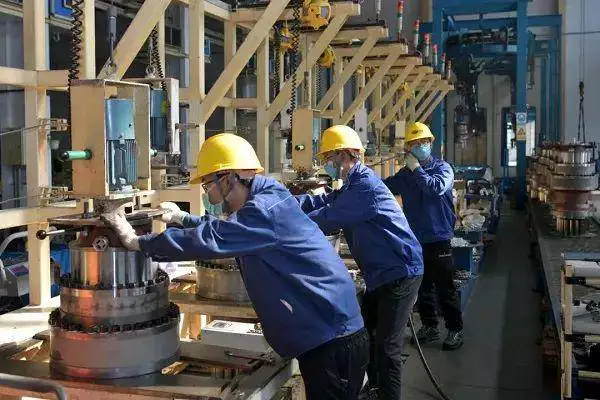
About Our Company and Product Recommendations
Author: Miya
Our company specializes in the production and sale of high-quality wind turbine gearboxes. We offer a wide range of gearbox models designed to meet the specific needs of wind power generation applications. Here are five key advantages of our products and company:
1. Advanced Technology:
– Our gearboxes incorporate state-of-the-art technologies, ensuring superior performance and reliability in wind turbine operations.
2. Robust Design:
– Our gearboxes are engineered with robust materials and precision manufacturing techniques to withstand the demanding conditions of wind power generation.
3. Customization Options:
– We offer the flexibility to customize our gearboxes to meet unique project requirements, ensuring optimal compatibility and performance.
4. Comprehensive Support:
– Our company provides comprehensive support throughout the gearbox lifecycle, including installation assistance, maintenance guidance, and prompt technical assistance.
5. Competitive Pricing:
– We offer competitive pricing without compromising on the quality and reliability of our gearboxes, making them a cost-effective choice for wind power projects.
Contact us today to learn more about our wind turbine gearbox solutions and start a fruitful collaboration for your wind power generation needs.