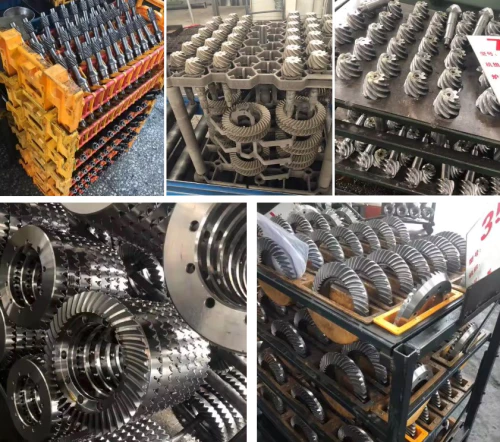
Can sintered metal bevel gears be used in construction machinery?
Sintered metal bevel gears are a type of gear mechanism that are manufactured using a sintering process. Sintering involves compacting metal powder into the desired shape and then subjecting it to high temperatures to bond the particles together. Bevel gears are specifically designed to transmit power and motion between intersecting axes. They have conically shaped teeth and are commonly used in applications where torque needs to be transmitted between two intersecting shafts that are not parallel.

Advantages of sintered metal bevel gears
1. Cost-effective manufacturing
Sintered metal bevel gears offer a cost-effective manufacturing solution due to the use of metal powder compaction and sintering process. This allows for high production volumes and reduced material waste.
2. Design flexibility
Sintered metal bevel gears can be manufactured with complex geometries and customized specifications. This provides design flexibility to meet specific application requirements.
3. Good strength and durability
Sintered metal bevel gears have good mechanical properties, including high strength and durability. They can withstand heavy loads and provide reliable performance in demanding conditions.
4. Self-lubricating properties
Sintered metal bevel gears have inherent self-lubricating properties, reducing the need for additional lubrication. This helps in minimizing maintenance and enhancing operational efficiency.
5. Noise reduction
Sintered metal bevel gears are known for their noise reduction capabilities. The design and manufacturing process help in reducing gear meshing noise, resulting in quieter operation.
6. Corrosion resistance
Sintered metal bevel gears can be manufactured with corrosion-resistant materials, making them suitable for applications in harsh environments and exposure to moisture or corrosive substances.
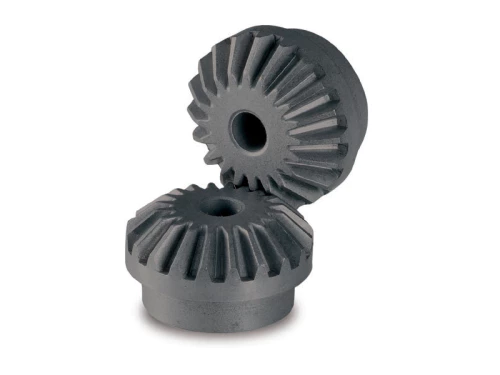
Working principles of sintered metal bevel gears
1. Gear Tooth Engagement
The teeth of sintered metal bevel gears engage with each other to transmit power and motion. The contact between the teeth determines the load distribution and efficiency of power transmission.
2. Power Transmission
Sintered metal bevel gears transmit power between intersecting axes by meshing their conically shaped teeth. The gear ratio determines the speed and torque conversion between the input and output shafts.
3. Axial Force and Thrust
During operation, sintered metal bevel gears generate axial forces and thrust due to the contact between the teeth. Proper design and lubrication are essential to minimize these forces and ensure smooth operation.
4. Lubrication
Lubrication is crucial for the proper functioning of sintered metal bevel gears. It helps in reducing friction, wear, and noise, while also providing cooling and corrosion protection.
5. Load Distribution and Contact Pattern
The load distribution and contact pattern of sintered metal bevel gears affect their performance and durability. Proper design and manufacturing considerations ensure uniform load distribution and optimal contact pattern.
6. Manufacturing Considerations
The manufacturing process of sintered metal bevel gears requires careful consideration to ensure dimensional accuracy, proper material selection, and appropriate heat treatment for desired mechanical properties.

Applications of sintered metal bevel gears
1. Automotive
Sintered metal bevel gears find applications in automotive systems, such as differential assemblies, steering mechanisms, and power transmission systems.
2. Industrial machinery
Industrial machinery, including conveyors, pumps, and gearboxes, often rely on sintered metal bevel gears for efficient power transmission and motion control.
3. Aerospace
In the aerospace industry, sintered metal bevel gears are used in various aircraft systems, such as landing gear mechanisms, actuation systems, and rotorcraft transmissions.
4. Construction and mining
Construction and mining machinery utilize sintered metal bevel gears in applications like excavators, bulldozers, cranes, and drilling equipment for reliable power transmission and heavy-duty operation.
5. Power generation
Sintered metal bevel gears play a crucial role in power generation equipment, including wind turbines, hydroelectric generators, and gas turbines, ensuring efficient energy conversion.
6. Marine
Marine propulsion systems, steering mechanisms, and winches rely on sintered metal bevel gears for reliable and efficient power transmission in demanding marine environments.
7. Textile industry
Textile machinery, such as spinning machines and looms, incorporate sintered metal bevel gears to enable precise and synchronized motion for efficient textile production.
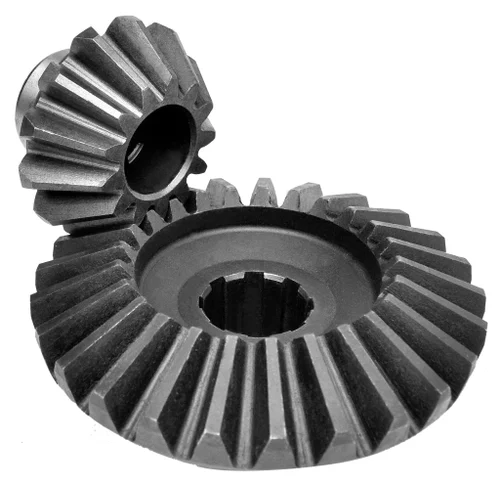
Installation and maintenance of sintered metal bevel gears
Installation:
1. Proper Alignment
Proper alignment of sintered metal bevel gears is crucial for optimal performance. It ensures the correct meshing of teeth and minimizes wear and noise.
2. Mounting
Secure and accurate mounting of sintered metal bevel gears is essential to prevent misalignment, vibration, and premature failure. Follow manufacturer guidelines for proper mounting procedures.
3. Lubrication
Adequate lubrication is necessary to reduce friction, wear, and heat generation in sintered metal bevel gears. Use the recommended lubricant and follow the lubrication schedule provided by the manufacturer.
4. Torque Control
Proper torque control during installation ensures the correct preload on the sintered metal bevel gears. Follow the specified torque values and tightening procedures to avoid damage or premature failure.
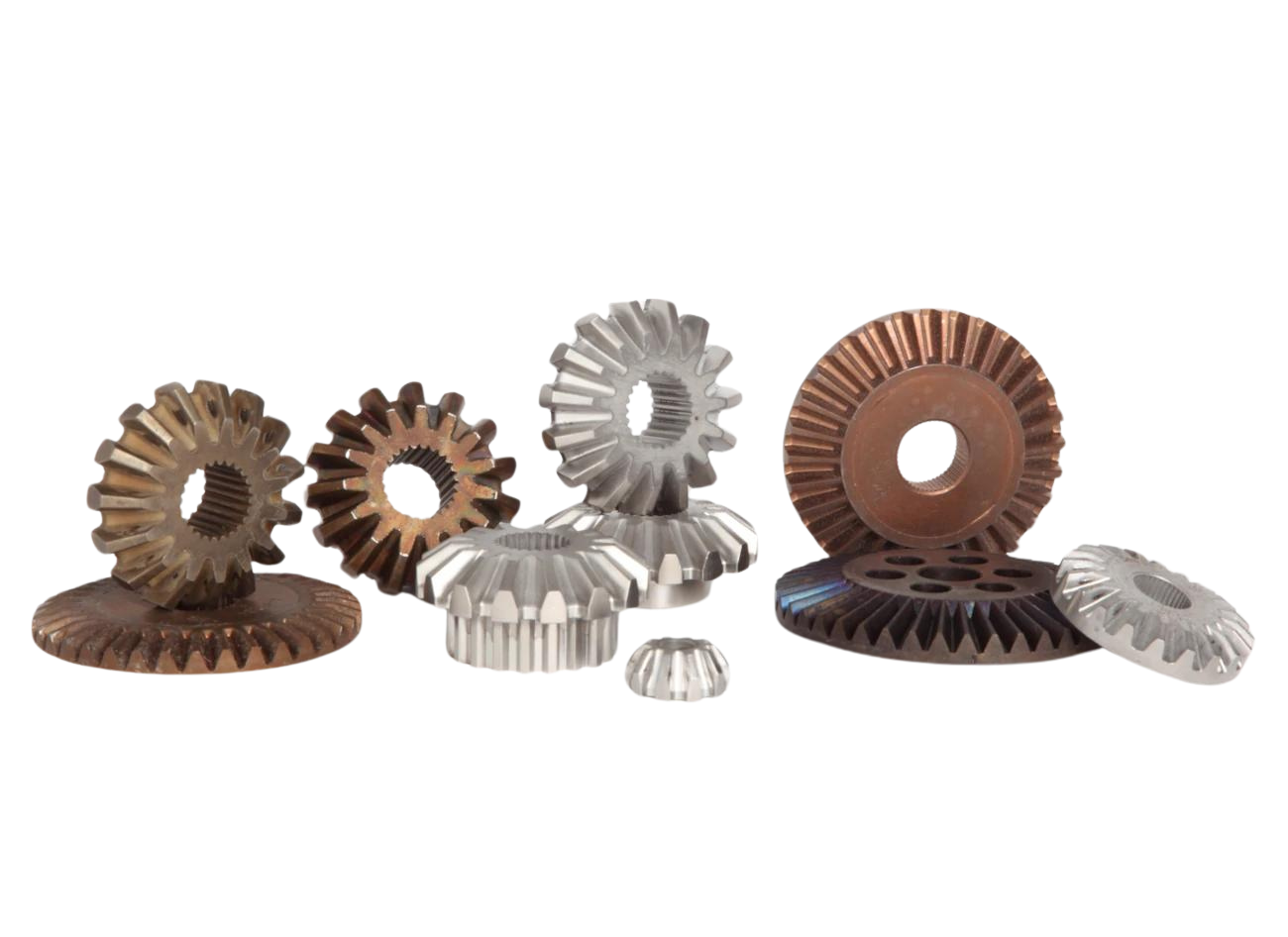
Maintenance:
1. Regular Inspection
Regularly inspect sintered metal bevel gears for signs of wear, damage, or abnormal noise. Address any issues promptly to prevent further damage and ensure uninterrupted operation.
2. Lubricant Monitoring
Monitor the lubricant condition and level in sintered metal bevel gears. Replace or replenish the lubricant as per manufacturer recommendations to maintain proper lubrication and prevent premature wear.
3. Cleaning
Keep the sintered metal bevel gears clean and free from debris, dust, and contaminants. Regularly clean the gears using appropriate methods and solvents to prevent abrasive wear and damage to teeth.
4. Wear Measurement
Periodically measure the wear of sintered metal bevel gears using appropriate tools and techniques. Replace gears or take corrective measures if wear exceeds acceptable limits.
5. Repair or Replacement
If sintered metal bevel gears show significant wear, damage, or performance issues, consider repairing or replacing them. Consult with experts or the manufacturer for the best course of action.
6. Documentation
Maintain comprehensive documentation of maintenance activities, including inspection reports, lubrication schedules, repair records, and gear replacement history. This helps in tracking the gear’s lifespan and identifying potential issues.
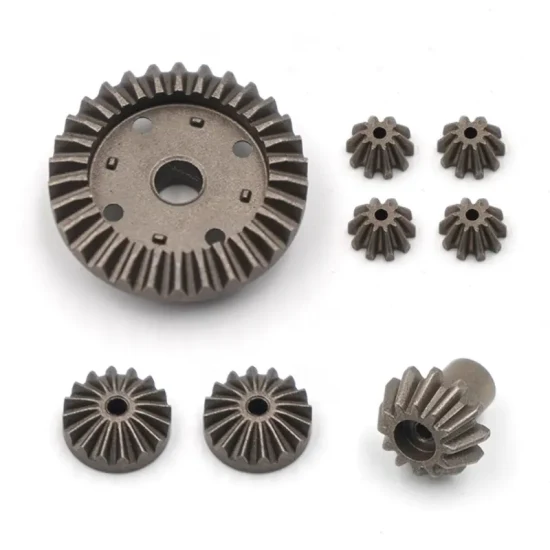
How to select the right sintered metal bevel gear
1. Application Requirements
Consider the specific requirements of the application, such as torque, speed, operating conditions, and environmental factors. Select a sintered metal bevel gear that can meet these requirements.
2. Gear Design and Material
Assess the gear design and material options available for sintered metal bevel gears. Choose a design that optimizes load distribution and material that provides the required strength and durability.
3. Load Capacity
Determine the expected load capacity of the sintered metal bevel gear based on the application requirements. Select a gear with appropriate load-carrying capacity to ensure reliable performance.
4. Efficiency and Power Loss
Consider the efficiency and power loss characteristics of sintered metal bevel gears. Choose gears with higher efficiency and lower power loss to maximize energy conversion and minimize heat generation.
5. Lubrication Requirements
Evaluate the lubrication requirements of the sintered metal bevel gears. Select gears that can operate effectively with the available lubrication method or consider alternative lubrication solutions if needed.
6. Noise and Vibration
Assess the noise and vibration levels tolerated in the application. Choose sintered metal bevel gears with design features and manufacturing quality that minimize gear meshing noise and vibration.
7. Manufacturer Reputation and Support
Consider the reputation and support provided by the manufacturer of sintered metal bevel gears. Choose a reputable manufacturer known for quality products and reliable customer support.
8. Cost Considerations
Take into account the cost considerations associated with sintered metal bevel gears. Balance the desired performance and quality with the available budget to make an informed decision.