Can I upgrade my stock final drive to handle higher horsepower?
Introduction
The final drive is a crucial component in any vehicle’s powertrain system, responsible for transmitting power from the transmission to the wheels. As the horsepower of an engine increases, the final drive may become a limiting factor, leading many to wonder whether it’s possible to upgrade the stock final drive to handle higher horsepower. In this article, we’ll explore this question in detail and provide a comprehensive guide to upgrading your final drive for higher performance.
What is a final drive?
Before we dive into the question of upgrading your final drive, it’s important to understand what the final drive is and how it works. The final drive is the last component in the powertrain system, responsible for transmitting power from the transmission to the wheels of a vehicle. It typically consists of a gearset that reduces the speed of the transmission’s output shaft and increases the torque applied to the wheels, allowing the vehicle to move.
Factors to consider when upgrading your final drive
Upgrading your final drive to handle higher horsepower is a complex process that involves several factors. Here are some of the most important factors to consider when upgrading your final drive.
Gear Ratio
The gear ratio is the ratio between the number of teeth on the final drive’s input gear and the number of teeth on the output gear. A higher gear ratio will provide more torque to the wheels, but will also reduce the vehicle’s top speed. Conversely, a lower gear ratio will provide less torque to the wheels, but will increase the vehicle’s top speed.
Material
The material of the final drive’s gears is also an important factor to consider. Upgrading to stronger materials, such as forged or billet steel, can increase the strength and durability of the final drive, allowing it to handle higher horsepower. However, stronger materials can also increase the weight and cost of the final drive.
Lubrication
Proper lubrication is crucial for the longevity and performance of the final drive. Upgrading to a high-quality synthetic lubricant can reduce friction and wear, allowing the final drive to handle higher horsepower.
Casing
The casing of the final drive is responsible for protecting the gears and bearings inside. Upgrading to a stronger and stiffer casing can increase the strength and durability of the final drive, allowing it to handle higher horsepower.
Cooling
The final drive can generate significant heat during operation, especially in high-performance applications. Upgrading to a larger or more efficient cooling system, such as a finned or oil-cooled casing, can help dissipate heat and prevent damage to the final drive.
Image of final drive components:

Upgrading your final drive: Installation guide
Upgrading your final drive can be a complex process that requires specialized tools and expertise. Here is a general guide to the installation process for upgrading your final drive.
Step 1: Check compatibility
Before upgrading your final drive, it’s important to ensure that the new final drive is compatible with your vehicle’s transmission and differential. Consult with a professional mechanic or manufacturer to determine the correct fitment.
Step 2: Remove old final drive
To remove the old final drive, you’ll need to drain the differential fluid, remove the driveshaft, and unbolt the old final drive from the differential housing. This can be a difficult process, as the bolts may be tight and difficult to access.
Step 3: Install new final drive
To install the new final drive, you’ll need to reverse the process of removing the old final drive. Bolt the new final drive to the differential housing, reinstall the driveshaft, and fill the differential with new fluid. It’s important to torque the bolts to the manufacturer’s specifications to ensure proper installation.
Step 4: Test and adjust
After installing the new final drive, it’s important to test the vehicle and make any necessary adjustments to the gear ratio or other settings. Consult with a professional tuner or mechanic to ensure that the final drive is properly installed and calibrated for your specific vehicle and application.
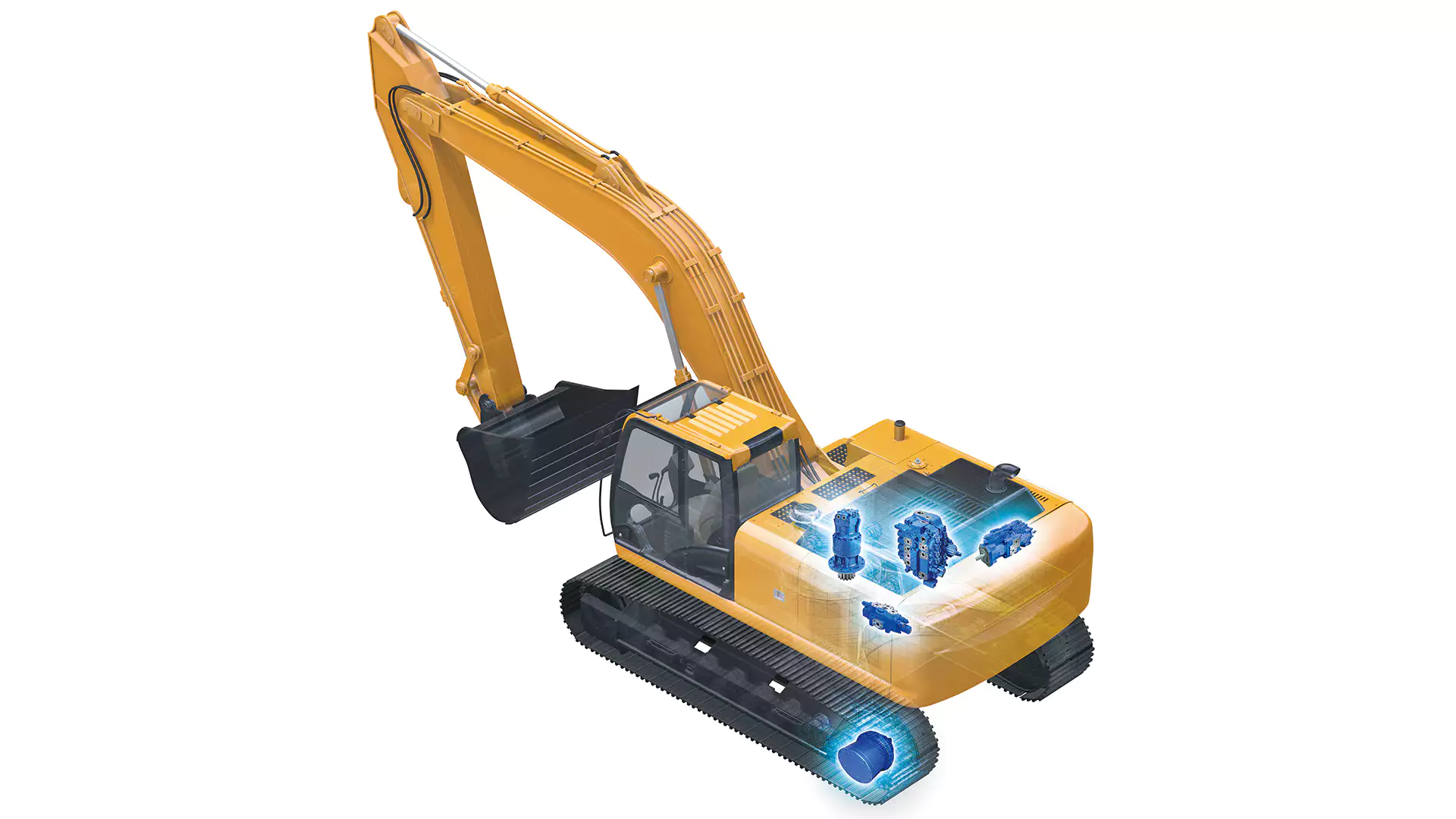
Image of swing gearbox:
Applications and use cases for final drive
Final drives are used in a wide range of mechanical applications, including automobiles, construction equipment, agricultural machinery, and industrial machinery. They are typically found in the rear axle of vehicles and can be upgraded for higher performance in racing and high-performance applications.
Daily maintenance and troubleshooting for final drive
Proper maintenance is crucial for the longevity and performance of the final drive. Here are some daily maintenance and troubleshooting tips to keep your final drive in top condition.
Check fluid levels and condition
Regularly check the fluid levels and condition in the differential housing. Low or dirty fluid can cause damage to the final drive over time.
Listen for unusual noises
Listen for any unusual noises or vibrations coming from the final drive while driving. These can be signs of wear or damage and should be addressed immediately.
Inspect gears and bearings
Regularly inspect the gears and bearings inside the final drive for signs of wear or damage. Replace any worn or damaged components immediately to prevent further damage.
Author’s note:
In conclusion, upgrading your final drive can be a complex but rewarding process for those looking to increase the performance of their vehicle. By considering the factors outlined in this article and following the installation guide, you can upgrade your final drive to handle higher horsepower and improve your vehicle’s performance on the road or track. If you’re interested in upgrading your final drive or have any questions, don’t hesitate to contact us for more information.