Gear Racks for Greenhouses: A Comprehensive Guide
Understanding the Basics
Gear racks for greenhouses are linear tracks with teeth along their length that are used in greenhouse systems to facilitate the movement of greenhouse accessories, such as curtains or shading systems. These gear racks offer a range of advantages from sturdy construction, weather resistance, and high load capacity, to precise movement and easy installation.

Working Principle of Gear Racks for Greenhouses
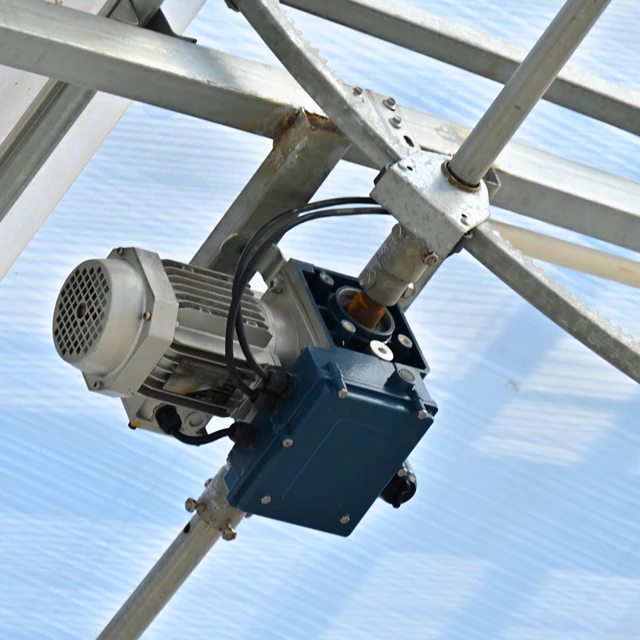
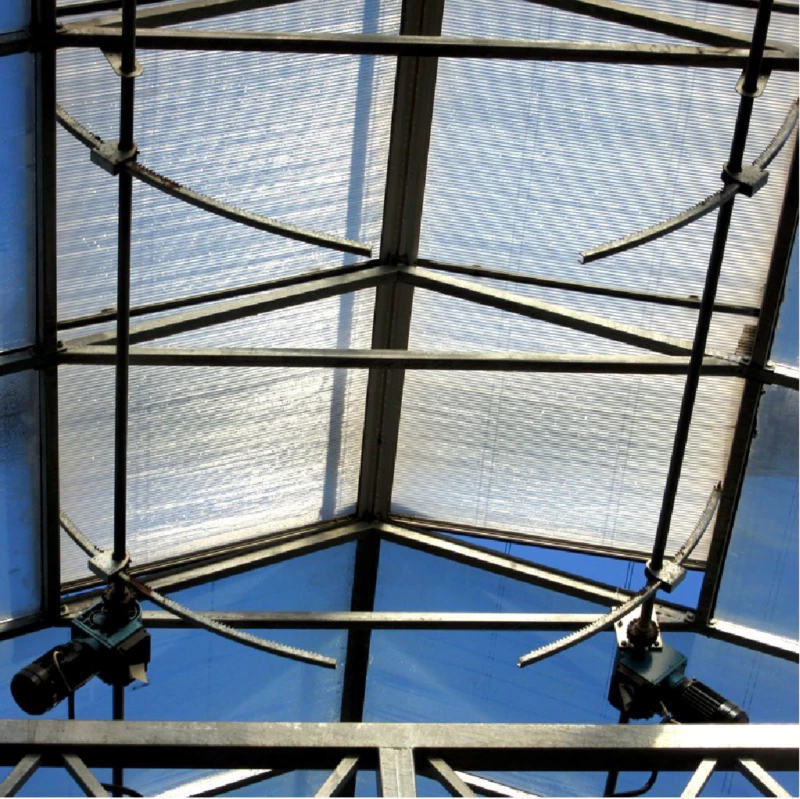
Gear racks for greenhouses work on the principle of converting rotary motion into linear motion. They are typically used in conjunction with a gear motor or a manual crank mechanism to control the movement of greenhouse accessories, such as curtains or shading systems. Here’s a breakdown of the working principle:
Gear Rack Design
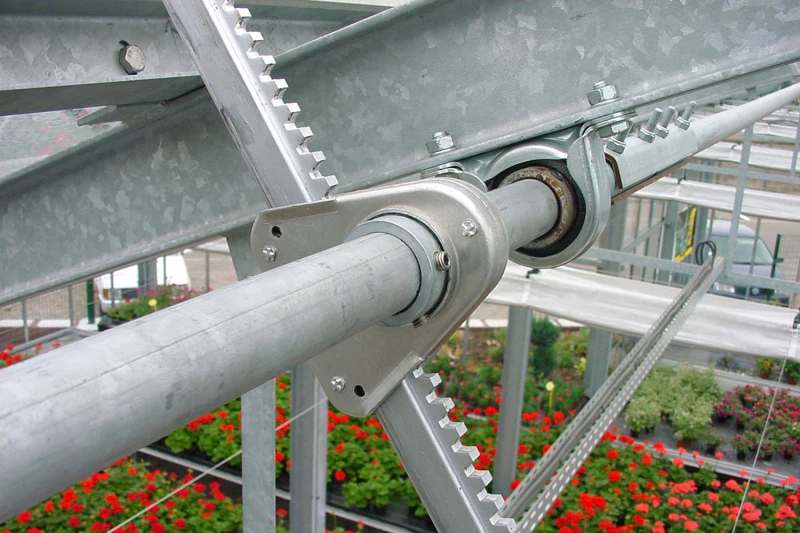
A gear rack is a linear track with teeth along its length. The teeth are designed to mesh with a gear, which can be either a spur gear or a pinion gear.
Gear Motor or Manual Crank
The gear rack is connected to a gear motor or a manual crank mechanism, depending on the specific greenhouse system. The gear motor provides automated and precise control, while the manual crank allows for manual operation.
Rotary Motion
The gear motor or manual crank rotates the gear, which in turn engages with the teeth on the gear rack. As the gear rotates, the teeth on the gear rack move linearly, either extending or retracting along the rack’s length.
Linear Motion of Greenhouse Accessories
The linear movement of the gear rack translates into the corresponding linear movement of the greenhouse accessories. For example, if the gear rack is connected to a curtain system, as the gear rack extends, the curtain will be drawn closed, and as the gear rack retracts, the curtain will open.
Control and Positioning
By controlling the rotation of the gear motor or manually cranking the mechanism, the greenhouse operator can precisely position the gear rack and adjust the movement of the greenhouse accessories according to the desired light, temperature, or ventilation requirements.
Applications of Gear Racks for Greenhouses
Gear racks for greenhouses have various applications in optimizing greenhouse environments and improving operational efficiency. Here are some common applications of gear racks in greenhouses:
Curtain Systems
Gear racks are widely used in curtain systems within greenhouses. They enable the precise opening and closing of curtains, which helps regulate natural light levels, provide shade, and control temperature and humidity. By adjusting the position of the gear rack, greenhouse operators can easily control the amount of light and heat entering the greenhouse.
Shading Systems
Similar to curtain systems, gear racks are employed in shading systems within greenhouses. These systems use movable shading screens to control the amount of sunlight reaching the plants. By adjusting the gear rack, the shading screens can be moved horizontally or vertically to achieve the desired shading effect.
Ventilation Systems
Gear racks can be used to operate ventilation systems in greenhouses. They are integrated with mechanisms that open and close vents or louvers to regulate airflow and maintain optimal growing conditions. By adjusting the gear rack, greenhouse operators can control the degree of ventilation and ensure proper air exchange within the greenhouse.
Irrigation Systems
In some cases, gear racks are utilized in irrigation systems within greenhouses. They are integrated with irrigation curtains or movable irrigation pipes to distribute water evenly across the growing area. By adjusting the gear rack, the irrigation system can be precisely positioned to irrigate specific areas or rows of plants.
Light Deprivation Systems
Gear racks are also employed in light deprivation systems used in commercial greenhouse operations. These systems are designed to control the exposure of plants to light, allowing for the regulation of growth cycles and optimizing crop yields. Gear racks enable the movement of light-blocking materials, such as blackout curtains or covers, to create periods of darkness and manipulate photoperiods for the plants.
Potential Issues and Solutions with Gear Racks for Greenhouses
While gear racks for greenhouses offer numerous advantages, they can also present a few challenges during use. Here are some common issues and their respective solutions:
Wear and Tear
Over time, gear racks can experience wear and tear due to constant movement and friction. This can lead to decreased performance and potential failure.
Solution: Regularly inspect the gear racks for signs of wear, such as worn teeth or excessive play. Replace any damaged or worn gear racks promptly to ensure optimal performance. Lubricate the gear racks as recommended by the manufacturer to minimize wear and reduce friction.
Misalignment
Improper installation or external factors can cause misalignment between the gear racks and the mating pinion gear. Misalignment can result in poor engagement, increased wear, and potential damage to the gear system.
Solution: Ensure proper alignment during installation by following the manufacturer’s guidelines. Regularly check for any misalignment and make necessary adjustments to maintain proper engagement between the gear rack and pinion gear. Seek professional assistance if needed.
Backlash
Backlash refers to the clearance between the gear rack and the pinion gear, causing a slight movement before the gear engages. Excessive backlash can result in imprecise movement and reduced accuracy.
Solution: Adjust the backlash within the recommended tolerance levels. This can be achieved by adjusting the gear rack position or using backlash compensation techniques. Follow the manufacturer’s instructions to ensure proper adjustment and minimize backlash.
Lack of Lubrication
Insufficient or improper lubrication can lead to increased friction, wear, and noise in the gear rack system.
Solution: Regularly lubricate the gear racks with the appropriate lubricant as recommended by the manufacturer. Ensure proper lubrication intervals and use lubricants suitable for greenhouse environments. Monitor the lubrication levels and replenish as needed.
Contamination
Dust, debris, or other contaminants can accumulate on the gear racks, affecting their performance and leading to increased wear.
Solution: Keep the gear racks clean by regularly removing any debris or contaminants. Use appropriate cleaning methods and avoid using harsh chemicals that may damage the gear rack surfaces. Implement proper sealing measures to minimize the entry of contaminants into the gear rack system.
Overloading
Subjecting the gear racks to excessive loads beyond their rated capacity can cause premature failure and damage to the system.
Solution: Ensure that the gear racks are not overloaded and operate within their specified load limits. Monitor the loads and make adjustments if necessary. Consider upgrading to gear racks with higher load capacities if the application demands it.
Improper Maintenance
Neglecting regular maintenance practices can lead to accelerated wear and potential failure of the gear racks.
Solution: Establish a routine maintenance schedule for the gear racks. This includes inspections, lubrication, cleaning, and any necessary adjustments. Adhere to the manufacturer’s maintenance guidelines and recommendations to ensure the longevity and reliable performance of the gear rack system.
Installation and Maintenance of Gear Racks for Greenhouses
Installation: Gear racks should be securely mounted and aligned to ensure smooth operation. Proper attachment points and support structures should be used.
Maintenance: Regular inspection for wear, cleaning, and lubrication are important maintenance practices to extend the gear rack’s lifespan and ensure optimal performance.
About EVER POWER
EVER POWER is a professional manufacturer of racks, including Gear racks for greenhouses, in China. The company has more than 100 professional rack production and testing equipment, with the one-time processing length of the rack reaching 3000MM. The precision of the racks produced by the imported equipment from Germany can reach (JIS2 level) DIN6n25, meeting the needs of the high-end market. With excellent products, affordable prices, and good service attitude, EVER POWER’s products are exported to countries such as Spain, the Netherlands, the United States, South Korea, Turkey, and Russia.


