Can Gear Racks be Customized to Specific Machine Tool Applications?
Yes, gear racks can be customized to specific machine tool applications. Gear racks for the machine tool industry are an essential component that provides a linear motion mechanism widely used in various applications such as CNC machines, milling machines, lathes, and other precision equipment. A gear rack is a long, straight bar with gear teeth cut into one side, which meshes with a gear or pinion to convert rotary motion into linear motion or vice versa.

Advantages of Gear Racks
Gear racks offer many advantages for machine tool applications, including:
Precise and Accurate Motion
Gear racks offer precise linear motion with high positional accuracy, making them suitable for applications that require precise positioning and repeatability.
High Load Capacity
Gear racks are designed to handle heavy loads and can withstand significant forces without compromising performance, making them ideal for applications that require high load capacity.
Smooth and Silent Operation
Gear racks are designed to minimize backlash, ensuring smooth and silent operation. This is crucial in applications where noise reduction and smooth motion are essential.
Efficiency
Gear racks provide high mechanical efficiency by eliminating power losses associated with other motion transmission mechanisms such as belts or chains.
Long Service Life
Gear racks are manufactured using high-quality materials and undergo precise machining processes, resulting in a long service life and minimal wear and tear.
Versatility
Gear racks can be customized to fit specific machine tool applications, allowing for flexibility in design and integration.
Easy Maintenance
Gear racks are relatively easy to maintain, requiring regular lubrication and periodic inspection to ensure optimal performance.
Cost-Effective
Gear racks offer a cost-effective solution for achieving linear motion in machine tools compared to alternative systems, making them popular in the industry.
Working Principles of Gear Racks
There are two ways in which gear racks work:
Rotary-to-Linear Motion
When a rotating gear or pinion meshes with the gear rack, the rotary motion of the gear is converted into linear motion along the length of the rack. This allows for precise linear movement of machine tool components.
Linear-to-Rotary Motion
Conversely, when a linear force is applied to the gear rack, it causes the mating gear or pinion to rotate. This converts the linear input motion into rotary motion, which can be utilized for various machine tool operations.
The gear teeth on the rack and mating gear or pinion are designed to mesh tightly, minimizing backlash and ensuring smooth and precise motion transfer.

Applications of Gear Racks
Gear racks are extensively used in various machine tool applications, including:
CNC Machines
Gear racks are extensively used in CNC (Computer Numerical Control) machines for precise linear positioning of the cutting tools, allowing for accurate machining operations.
Milling Machines
Gear racks are employed in milling machines to provide linear motion along the workpiece, enabling the cutting tool to remove material with precision.
Lathes
Gear racks are utilized in lathes to facilitate the movement of the cutting tool along the workpiece, enabling the shaping and turning operations.
Drilling Machines
Gear racks are used in drilling machines to control the vertical motion of the drilling head, allowing for accurate hole drilling.
Grinding Machines
Gear racks are employed in grinding machines to achieve precise linear motion of the grinding wheel, enabling accurate material removal.

How to Select Gear Racks?
The following factors should be considered when selecting gear racks:
Load Capacity
Determine the maximum load the gear rack will need to support in the specific machine tool application. It is essential to choose a gear rack with a load capacity that exceeds the anticipated maximum load to ensure reliability and prevent premature wear.
Pitch and Module
Select the gear rack with the appropriate pitch and module to match the mating gear or pinion. The pitch represents the distance between teeth, and the module indicates the size and shape of the teeth. Ensuring compatibility between the gear rack and mating gear is crucial for smooth and efficient motion transfer.
Length and Dimensions
Consider the required length of the gear rack based on the linear travel distance needed in the machine tool application. Additionally, evaluate the dimensions of the gear rack, such as width and height, to ensure proper integration within the machine tool system.
Precision and Accuracy
Assess the level of precision and accuracy required for the specific application. Gear racks with tighter tooth tolerances and better machining quality offer higher precision and accuracy, resulting in improved positioning and repeatability.
Material and Surface Treatment
Evaluate the material of the gear rack based on factors such as strength, durability, and resistance to wear. Common materials include steel and stainless steel. Additionally, consider surface treatments like heat treatment or coating to enhance the gear rack’s performance and longevity.
Common Problems and Solutions in Gear Rack Applications
Common problems that may arise in gear rack applications include:
Wear and Tear
Continuous use of gear racks can lead to wear and tear, resulting in decreased performance and increased backlash. Regular inspection and maintenance are essential to monitor the condition of the gear rack. If excessive wear is observed, the gear rack should be replaced with a new one to ensure proper functionality.
Insufficient Lubrication
Inadequate lubrication can cause increased friction and accelerated wear of the gear rack. Regularly lubricate the gear rack with the appropriate lubricant as recommended by the manufacturer. Ensure that the lubrication schedule is followed diligently.
Misalignment
Improper alignment between the gear rack and mating gear or pinion can lead to uneven load distribution and premature wear. During installation or maintenance, ensure proper alignment of the gear rack with its mating component. Adjustments may be necessary to achieve correct alignment.
Contamination
The presence of dirt, debris, or contaminants can impair the operation of the gear rack. Implement measures to protect the gear rack from contaminants, such as using protective covers or enclosures. Regularly clean the gear rack and remove any accumulated debris.
Overloading
Exceeding the load capacity of the gear rack can lead to excessive stress and premature failure. Ensure that the gear rack is selected based on the anticipated maximum load and avoid overloading the system. If the load requirements change, consider upgrading to a higher capacity gear rack.
Improper Tooth Engagement
Poor tooth engagement between the gear rack and mating gear or pinion can result in increased backlash and reduced precision. Ensure that the teeth of the gear rack and mating component are properly aligned and meshed. Adjustments or replacement of the mating gear may be necessary to achieve proper tooth engagement.

Installation and Maintenance of Gear Racks
Installation:
1. Preparation: Ensure that the work area is clean and free from debris. Gather the necessary tools and equipment for installation, including proper safety gear.
2. Mounting: Position the gear rack in the desired location, aligning it with the mating gear or pinion. Securely mount the gear rack using appropriate fasteners, ensuring that it is level and properly aligned.
3. Alignment: Check the alignment between the gear rack and mating gear or pinion. Make any necessary adjustments to ensure proper tooth engagement and minimize backlash. Use alignment tools or shims if required.
4. Lubrication: Apply the recommended lubricant to the gear rack and mating gear or pinion as per the manufacturer’s guidelines. Ensure that the lubrication is evenly distributed along the length of the gear rack.
5. Testing: Before putting the machine tool into operation, perform a thorough inspection and functional test to ensure the gear rack is properly installed and functioning correctly. Verify smooth motion, proper engagement, and minimal backlash.
Maintenance:
1. Regular Inspection: Conduct routine inspections of the gear rack to check for signs of wear, damage, or misalignment. Inspect the gear teeth, mounting points, and overall condition of the rack. Address any issues promptly.
2. Lubrication: Follow the recommended lubrication schedule provided by the manufacturer. Apply lubricant to the gear rack at specified intervals or as needed to maintain optimal performance and reduce friction.
3. Cleaning: Regularly clean the gear rack to remove dirt, debris, and contaminants that may accumulate. Use a soft brush or cloth to gently wipe the surface of the rack. Avoid using abrasive materials that could damage the rack.
4. Load Capacity Monitoring: Monitor the load being applied to the gear rack and ensure it remains within the specified load capacity. Avoid overloading the gear rack, as it can lead to premature wear and reduced performance.
5. Misalignment Correction: If misalignment is detected during routine inspections or through performance issues, take corrective measures to realign the gear rack with its mating gear or pinion. Follow the manufacturer’s guidelines or consult a professional if necessary.
6. Replacement: If the gear rack shows significant signs of wear, damage, or exceeds its service life, consider replacing it with a new one to maintain optimal performance and reliability.

About EVER POWER
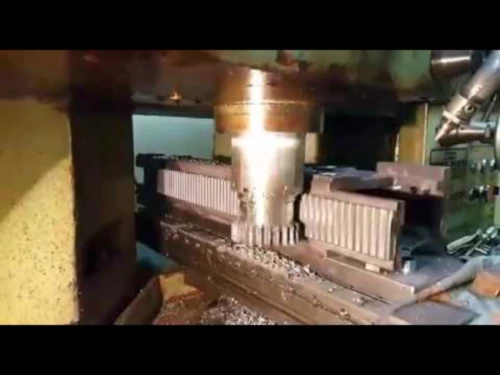
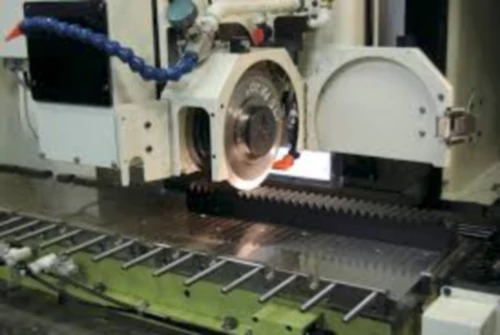
EVER POWER is a professional manufacturer of racks in China, with more than 100 professional rack production equipment and testing equipment. The one-time processing length of the rack is 3000MM, the module range is M1-M30, British CP, American DP, etc. The company has introduced rack milling machines and rack grinding machines imported from Germany to produce high-precision racks.
EVER POWER has considerable competitiveness in the same industry. It mainly produces 1 to 32 module standard racks, non-standard straight racks, helical racks, double-sided racks, cylindrical racks, and various inch racks, with an accuracy of up to 7 to 9 levels. EVER POWER’s products are exported to different countries such as Spain, the Netherlands, the United States, South Korea, Turkey, and Russia.
At the same time, EVER POWER is willing to help customers develop new products and solve technical and quality problems. The company adheres to the principles of quality first, timely delivery, and credit first, and treats every business partner sincerely. EVER POWER welcomes friends from the business community to cooperate with them and create brilliance together.
In addition to gear racks for machine tool applications, EVER POWER also offers gear racks for door openers, gear racks for elevators, rack and pinion steering, metric gear racks, and other customized products. Customers are welcome to inquire about customized products.