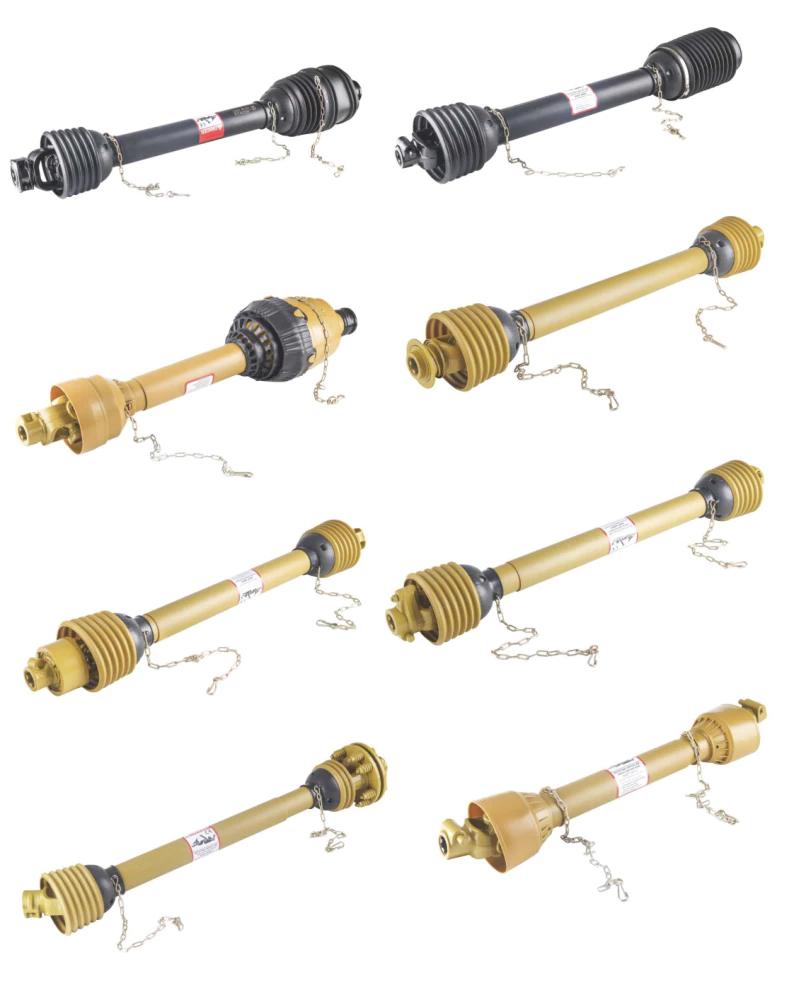
Can a PTO gearbox be engaged or disengaged while the engine is running?
Yes, a PTO gearbox can be engaged or disengaged while the engine is running. However, it is recommended to engage or disengage the PTO gearbox when the engine is idling or when the vehicle is stationary to avoid any safety hazards and prevent damage to the equipment or machinery.
Basic Definition and Product Features
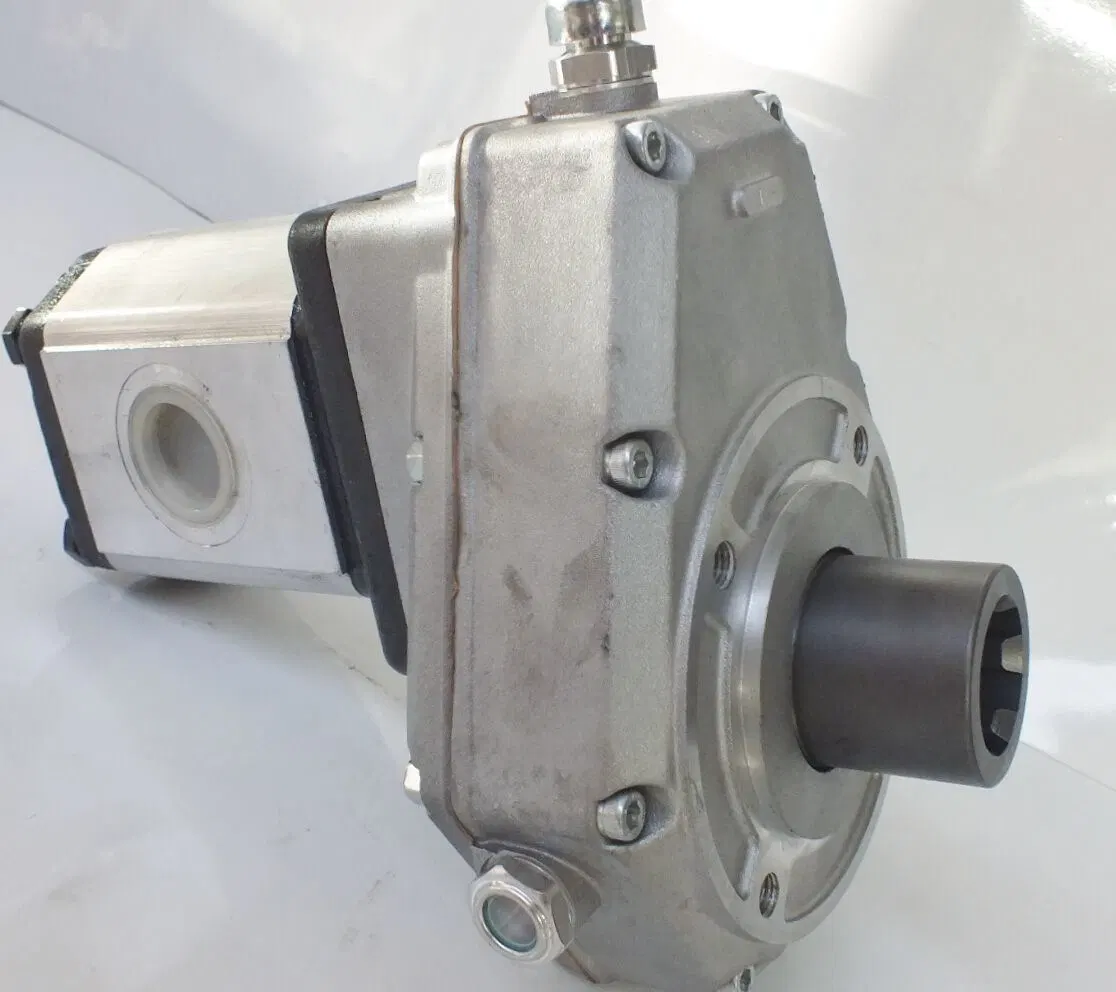
A PTO (Power Take-Off) gearbox is a mechanical device that transfers power from a vehicle’s engine to an auxiliary equipment or machinery. It is typically mounted on the vehicle’s transmission or driveline and provides a rotational power output through a driveshaft.

PTO gearboxes offer several advantages:
1. Versatility: PTO gearboxes offer a versatile power source that can be easily connected to different types of equipment or machinery, allowing for multiple applications without the need for separate power sources.
2. Efficient Power Transmission: PTO gearboxes efficiently transfer power from the vehicle’s engine to the driven equipment, ensuring minimal power loss during transmission. This results in improved overall system efficiency.
3. Increased Productivity: By utilizing a PTO gearbox, equipment and machinery can be operated without the need for an additional engine or power source. This increases productivity by reducing downtime and simplifying the power transmission process.
4. Cost Savings: PTO gearboxes eliminate the need for standalone engines or motors for auxiliary equipment, resulting in cost savings in terms of equipment acquisition, maintenance, and fuel consumption.
5. Controlled Power Output: PTO gearboxes often provide multiple gear ratios, allowing users to adjust the output speed and torque to suit specific applications. This control over power output enables efficient operation and optimal performance.
6. Integrated System Design: PTO gearboxes are designed to integrate seamlessly with the vehicle’s transmission or driveline system, ensuring compatibility and ease of installation. This integration simplifies the overall system design and enhances reliability.
7. Durability and Longevity: PTO gearboxes are engineered to withstand heavy loads and continuous operation. They are built with robust materials and undergo rigorous testing, ensuring durability and long service life even in demanding working conditions.

Application Fields
PTO gearboxes find their applications in various fields:
1. Agricultural Machinery: PTO gearboxes are extensively used in agricultural machinery such as tractors, combines, balers, and mowers. They provide power to agricultural implements like rotary cutters, hay balers, seeders, and sprayers.
2. Construction Equipment: PTO gearboxes are employed in construction equipment such as excavators, loaders, backhoes, and cranes. They power attachments like hydraulic pumps, winches, augers, and concrete mixers.
3. Trucks and Commercial Vehicles: PTO gearboxes are utilized in trucks and commercial vehicles for various applications. They power auxiliary equipment such as hydraulic lifts, dump bodies, refrigeration units, and compressors.
4. Industrial Machinery: PTO gearboxes find applications in industrial machinery, including conveyor systems, pumps, mixers, and generators. They provide power for material handling, fluid transfer, and power generation.
5. Emergency Vehicles: PTO gearboxes are used in emergency vehicles like fire trucks and ambulances. They power equipment such as hydraulic rescue tools, water pumps, and lighting systems.
6. Marine Applications: PTO gearboxes are employed in marine vessels for powering auxiliary equipment such as winches, cranes, pumps, and propulsion systems.
7. Forestry Equipment: PTO gearboxes are utilized in forestry machinery like wood chippers, stump grinders, and log splitters. They provide power for processing and handling wood materials.
8. Municipal and Public Works: PTO gearboxes are used in municipal and public works applications for equipment such as street sweepers, snowplows, and garbage trucks. They power various attachments and functions.

Working Principle
The working principle of a PTO gearbox includes the following steps:
1. Power Input: The power is input from the vehicle’s engine through the PTO driveshaft.
2. Power Transmission: The power is transmitted from the input shaft to the output shaft of the PTO gearbox.
3. Power Output: The power is output through the PTO output shaft to the driven equipment.
4. Driven Equipment Operation: The driven equipment operates based on the power received from the PTO gearbox.

Installation and Maintenance
When installing a PTO gearbox, it is essential to follow the manufacturer’s instructions and guidelines. Regular lubrication is crucial for the smooth operation and longevity of a PTO gearbox. Ensure that the gearbox is adequately lubricated to minimize friction and wear. Periodically inspect the PTO gearbox for any signs of damage, leaks, or excessive wear. Clean the gearbox and remove any debris or contaminants that may interfere with its operation. Check the alignment of the PTO gearbox and ensure that it is properly aligned with the engine and driven equipment. Also, inspect any belts or driveshafts for proper tension and adjust as necessary to maintain optimal power transfer. Follow the recommended maintenance schedule provided by the manufacturer. This may include tasks such as changing lubricants, inspecting and replacing worn components, and performing any necessary adjustments or repairs.
Selection Criteria
Consider the following factors while selecting a PTO gearbox:
1. Power Requirements: Consider the power requirements of the driven equipment and select a PTO gearbox that can handle the required torque and rotational speed.
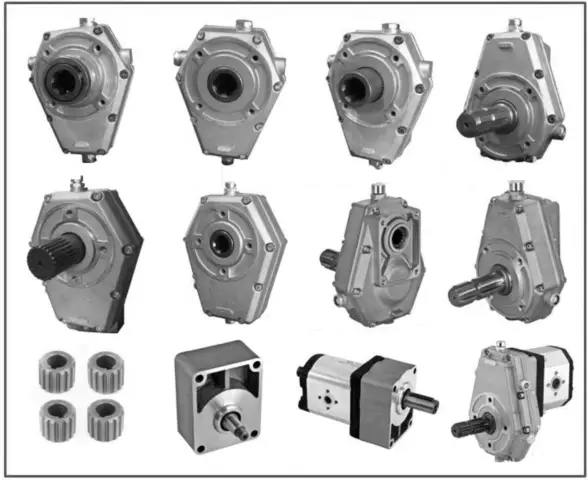
2. Compatibility: Ensure that the PTO gearbox is compatible with the vehicle’s transmission or driveline system. Consider factors such as input/output shaft sizes, mounting options, and connection methods.
3. Gear Ratio and Speed Control: Evaluate the gear ratios available in the PTO gearbox and choose one that provides the desired output speed and torque for the intended application.
4. Durability and Reliability: Look for a PTO gearbox that is built with durable materials and has a reputation for reliability. Consider factors such as load capacity, sealing mechanisms, and overall construction quality.
5. Safety Features: Check if the PTO gearbox has safety features such as interlocks or guards to prevent accidental engagement or disengagement, ensuring operator safety.
6. Easy Maintenance: Consider the accessibility of maintenance points and the availability of spare parts for the PTO gearbox. Choose a model that facilitates easy maintenance and has good manufacturer support.
7. Budget and Cost Considerations: Evaluate the cost-effectiveness of the PTO gearbox while considering factors such as initial purchase price, maintenance costs, and potential long-term savings in terms of efficiency and durability.
Common Problems and Solutions
The common problems associated with a PTO gearbox are noise and vibration, slippage, overheating, leakage, PTO engagement issues, and excessive load or overloading. The solutions to these problems include inspecting and correcting any misalignment of the gearbox, ensuring proper lubrication and tension, identifying and repairing any leaks or worn-out components, inspecting and repairing the clutch mechanism, and avoiding overloading.

Importance of PTO Shaft and PTO Gearbox Relationship
The PTO shaft and PTO gearbox are integral components of a power transmission system that work together to transfer power from the vehicle’s engine to the auxiliary equipment or machinery. The PTO gearbox provides the necessary torque and rotational speed to the PTO shaft, which then transmits the power to the driven equipment. At Ever-Power, we offer a wide range of PTO shafts and PTO gearboxes that are compatible with various applications and industries.