Can a gear shaft be welded?
Introduction:
A gear shaft is a vital component in various mechanical systems, responsible for transmitting power and rotational motion. When it comes to repairing or modifying gear shafts, one question often arises: can a gear shaft be welded? In this article, we will explore the feasibility and considerations of welding a gear shaft.
1. Understanding Gear Shafts
A gear shaft, also known as a transmission shaft or drive shaft, is a mechanical component that connects gears, enabling power transmission between them. It is typically made of high-strength steel to withstand the forces involved in transmitting motion.
2. Importance of Gear Shaft Integrity
The integrity of a gear shaft is crucial for the optimal performance and longevity of a mechanical system. Any damage or alteration to the gear shaft can have a significant impact on the overall functionality of the system.
3. Factors to Consider
Before deciding whether a gear shaft can be welded, several factors need to be considered:
3.1 Material Compatibility
The material of the gear shaft plays a crucial role in determining its weldability. Most gear shafts are made of alloy steel, which is generally weldable using appropriate techniques.
3.2 Heat-Affected Zone (HAZ)
During the welding process, the heat applied to the gear shaft can create a heat-affected zone (HAZ) around the weld. The size and characteristics of the HAZ depend on the welding method used and can potentially affect the mechanical properties of the gear shaft.
3.3 Stress Concentration
Welding introduces changes in the microstructure of the gear shaft, which can lead to stress concentration points. These stress concentration areas are potential weak spots that may affect the overall strength and durability of the gear shaft.
3.4 Post-Weld Machining
After welding, post-weld machining may be required to ensure the gear shaft’s dimensional accuracy and surface finish. This additional machining process adds complexity and cost to the overall repair or modification of the gear shaft.
4. Welding Techniques
When welding a gear shaft, specific techniques can be employed to minimize potential issues and ensure the best possible outcome:
4.1 Preheating
Preheating the gear shaft before welding can help reduce the cooling rate and minimize the size of the HAZ, thereby reducing the risk of cracking and preserving the mechanical properties of the shaft.
4.2 Post-Weld Heat Treatment
Performing a post-weld heat treatment can relieve residual stresses and enhance the strength and toughness of the welded area, ensuring the overall integrity of the gear shaft.
4.3 Non-Destructive Testing (NDT)
Utilizing non-destructive testing techniques, such as ultrasonic or magnetic particle inspection, can help detect any potential defects in the welded gear shaft, ensuring its quality and reliability.
5. Conclusion
Can a gear shaft be welded? The answer is yes, under the right circumstances and with proper consideration of the factors involved. Welding a gear shaft requires expertise, careful material selection, appropriate welding techniques, and subsequent post-weld treatment to maintain its integrity and functionality. It is essential to consult with experienced professionals to ensure the best outcome when considering welding a gear shaft.
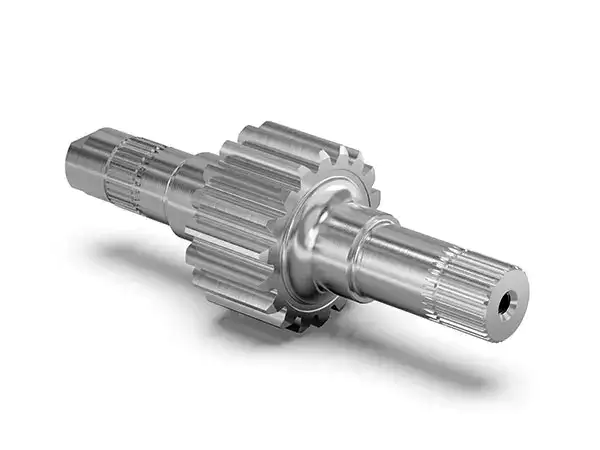
Our company specializes in the production and sale of various types of gears and gear shafts. With years of experience in the industry, we have established ourselves as a leading provider in the market. Here are five key advantages of choosing our company:
1. High-Quality Products
At our company, we prioritize quality in every aspect of our production process. Our gears and gear shafts are manufactured using top-grade materials and undergo rigorous testing to ensure durability and reliability.
2. Customization Options
We understand that different applications require specific gear shaft designs. That’s why we offer customization options to meet the unique needs of our customers. Our team of experts can provide tailored solutions that optimize performance and efficiency.
3. Competitive Pricing
While we deliver exceptional quality, we also strive to offer competitive pricing. Our streamlined production process and efficient supply chain management enable us to provide cost-effective solutions without compromising on quality.
4. Timely Delivery
We value our customers’ time and understand the importance of on-time delivery. With our well-organized logistics and efficient production schedule, we ensure that orders are completed and shipped promptly.
5. Excellent Customer Support
Customer satisfaction is our top priority. Our dedicated support team is always ready to assist with any inquiries or concerns. We provide prompt and reliable after-sales service, ensuring a seamless experience for our valued customers.
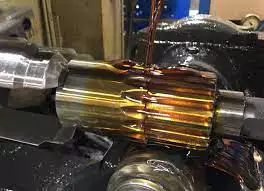
Importance of Gear Shafts in Mechanical Transmission Systems
Gear shafts play a crucial role in mechanical transmission systems. They are responsible for transmitting power and torque between gears, enabling smooth and efficient operation. Without properly designed and manufactured gear shafts, the entire system’s performance and reliability can be compromised.
Materials and Selection Criteria for Gear Shafts
When it comes to gear shafts, material selection is crucial for ensuring optimal performance and longevity. Factors such as strength, wear resistance, and heat resistance must be considered. Additionally, factors like load capacity, operating conditions, and environmental factors influence the choice of material. Our team of experts can guide you in selecting the most suitable material for your specific application.
Design Considerations for Gear Shafts
Designing gear shafts requires careful consideration of various factors. Key aspects include shaft diameter, length, keyway design, and bearing support. Our engineers leverage their expertise and advanced design tools to develop gear shafts that meet the highest standards of precision and performance.
Our Gear Shaft Manufacturing Process
Our manufacturing process combines cutting-edge techniques and industry best practices to ensure the highest quality gear shafts. We utilize a range of processes, including:
- Turning
- Milling
- Grinding
- Heat Treatment (Quenching, Tempering, Carburizing)
- Special Processes (Gear Rolling, Gear Shaving)
Application Cases and Failure Analysis of Gear Shafts
Gear shafts find application in various industries, such as automotive, machinery, and aerospace. We have successfully supplied gear shafts for critical applications, including high-speed gearboxes, heavy-duty machinery, and precision instruments. In the rare event of failure, our team conducts thorough failure analysis to identify causes and implement preventive measures, ensuring long-term reliability.
With our expertise, commitment to quality, and customer-centric approach, partnering with us guarantees exceptional gear shaft solutions tailored to your needs. Contact us today to discuss your requirements and take your mechanical transmission systems to the next level.
Author: Miya