Unlocking the Power of Locking Welded Hydraulic Cylinders
Understanding Locking Welded Hydraulic Cylinders
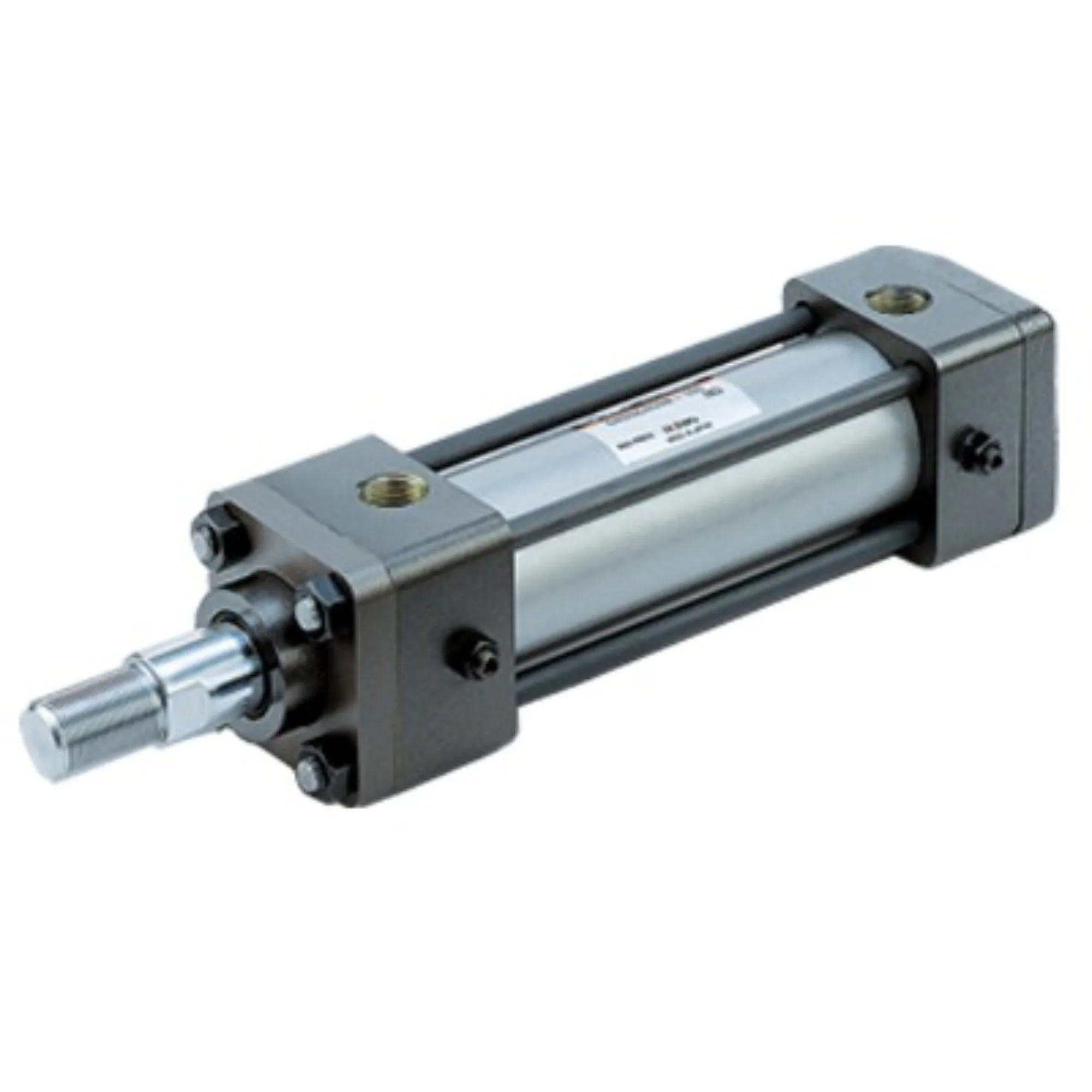
Locking welded hydraulic cylinders are essential components in hydraulic systems, providing a secure and reliable way to hold heavy loads in place. These cylinders are designed with a specific locking mechanism that ensures the load is maintained without pressure, enhancing safety and simplifying operations for operators. Made of high-strength steel, these cylinders are known for their durability and compression resistance, making them ideal for heavy lifting applications.
Design and Construction Characteristics
- Locking Mechanism – Safety: Utilizes a specific locking device to maintain load without pressure, ensuring safety and simplifying operation.
- Durable Materials – High-Strength Steel: Constructed with high-strength steel for enhanced durability and compression resistance, with an anti-corrosion coating for harsh environments.
- Compact Design – Space Saving: Features a compact design suitable for limited space applications, offering versatility for various equipment.
When it comes to construction characteristics, precision welding techniques are employed to ensure the strength and tightness of the cylinder block. Seamless connections are rigorously inspected to eliminate leaks and weaknesses, while a modular design allows for easy installation and maintenance with standard interfaces for compatibility with other devices. These features make locking welded hydraulic cylinders suitable for a wide range of applications across different industries.
Working Principle of Locking Welded Hydraulic Cylinders
The working principle of locking welded hydraulic cylinders involves the transfer of force through a liquid medium, resulting in piston movement to perform the required workload. A sealing system ensures the pressure is maintained within the cylinder, with the ability to release pressure when needed. This mechanism enables the cylinders to securely hold loads in place while providing reliable performance in various applications.
Types and Configurations
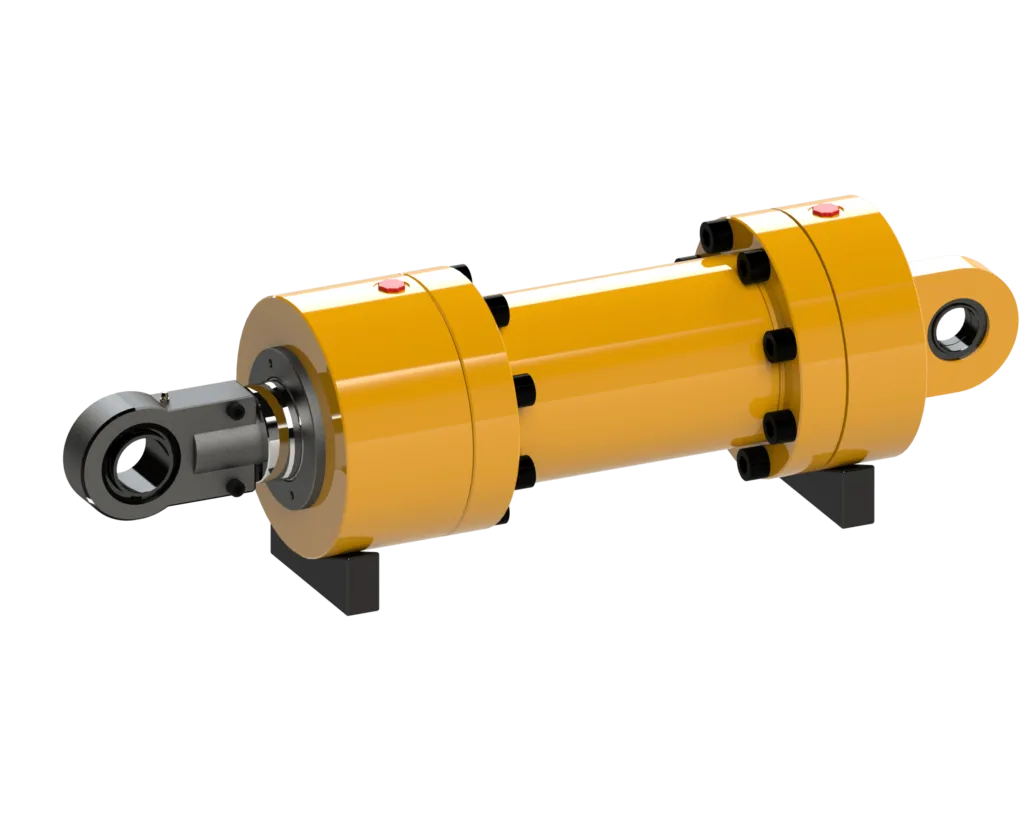
Locking welded hydraulic cylinders come in different types and configurations to suit specific needs. Each type offers unique features and benefits, such as enhanced safety, improved efficiency, and versatility in various environments. Understanding the differences between these types can help you choose the right cylinder for your application.
Advantages of Locking Welded Hydraulic Cylinders
- Safety: The locking feature enhances safety during operation, reducing the risk of accidents.
- Efficiency: These cylinders improve operational efficiency by allowing operators to easily control locking and unlocking processes.
- Versatility: With their compact design and high load capacity, locking welded hydraulic cylinders can be used in a wide range of applications.
Performance Characteristics
Locking welded hydraulic cylinders are known for their reliable performance and durability. The locking mechanism securely holds the load in place, while the high-strength materials used in construction ensure wear and pressure resistance. The compact design of these cylinders makes them suitable for space-saving applications, with a high load capacity for heavy lifting tasks.
Applications in Various Industries
Locking welded hydraulic cylinders are widely used in industries such as construction, agriculture, manufacturing, ships, and offshore applications. These cylinders play a vital role in machinery and equipment like cranes, loaders, presses, and automation systems, showcasing their versatility and adaptability in different operational settings.
Design Considerations and Selection Criteria
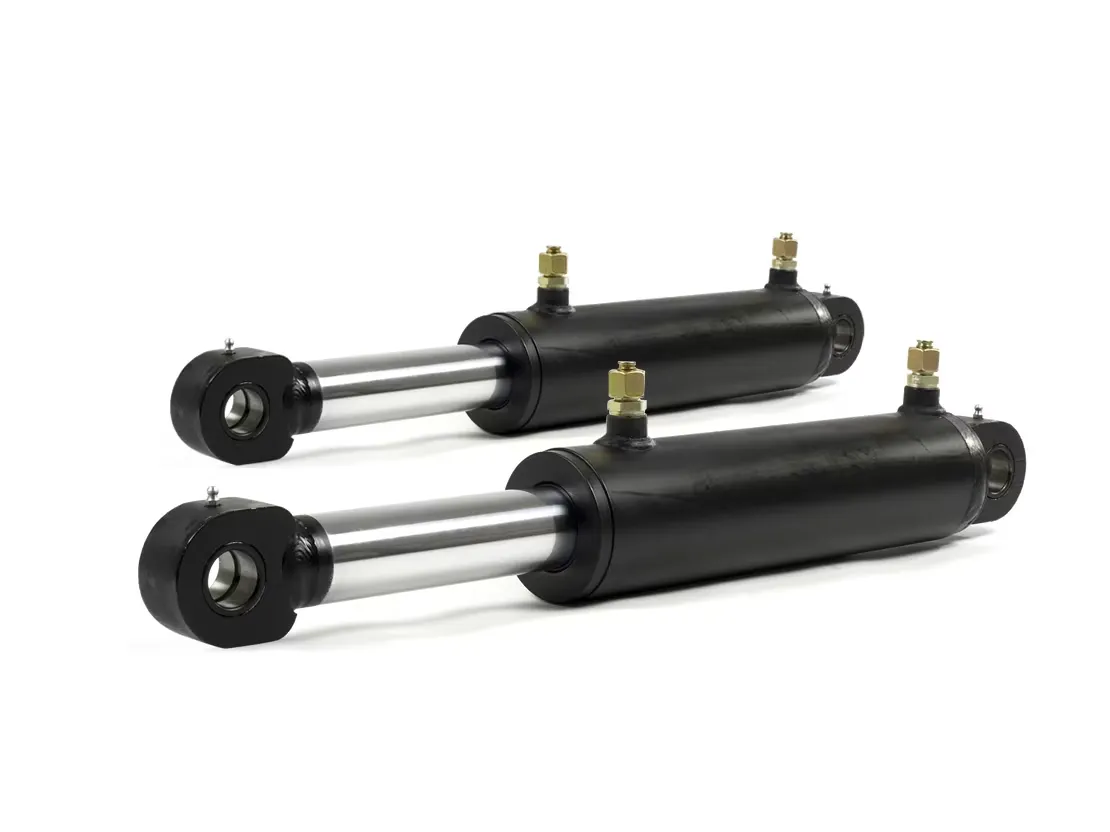
When selecting locking welded hydraulic cylinders, it’s essential to consider factors like bearing capacity, sealing, durability, safety, and maintainability. These design considerations can help you choose the right cylinder for your specific application, ensuring optimal performance and longevity.
Sealing and Lubrication
The sealing and lubrication of locking welded hydraulic cylinders are crucial for their performance and longevity. Using high-quality seals and lubricants can enhance wear resistance and maintain the efficiency of the cylinders. Regularly filling the cylinders with the appropriate amount of hydraulic oil is essential to ensure smooth operation and prevent premature wear.
Regular Inspection and Maintenance
To ensure the proper functioning of locking welded hydraulic cylinders, regular inspection and preventive maintenance measures are essential. By conducting routine checks, lubrication, and seal replacements, you can prolong the lifespan of the cylinders and prevent potential issues from arising.
Installation Guide
Proper installation of locking welded hydraulic cylinders is crucial for their performance and safety. By following the manufacturer’s installation guidelines and using the correct tools and techniques, you can ensure the cylinders are securely in place and ready for operation.
Maintenance Tasks
- Regular Inspection: Conduct routine checks to identify any signs of wear or damage.
- Proper Lubrication: Ensure the cylinders are adequately lubricated to prevent friction and wear.
- Seal Replacement and Calibration Inspection: Replace worn seals and calibrate the cylinders as needed to maintain optimal performance.

Safety Considerations and Environmental Factors
When using locking welded hydraulic cylinders, it’s essential to prioritize safety measures and consider environmental factors. By following safety guidelines and implementing proper maintenance practices, you can prevent accidents and minimize the impact on the environment.
Fault Diagnosis and Common Problems
Understanding common faults and problems with locking welded hydraulic cylinders is essential for effective troubleshooting. By identifying issues like leaks, malfunctions, or pressure fluctuations, you can quickly diagnose the problem and implement the necessary solutions to restore the cylinders’ performance.
FAQs
1. How does the locking mechanism enhance safety during operation? The locking mechanism securely holds the load in place without pressure, reducing the risk of accidents and ensuring operator safety.
2. What materials are commonly used in the construction of locking welded hydraulic cylinders? High-strength steel is typically used for durability, wear resistance, and compression strength.
3. In which industries are locking welded hydraulic cylinders most frequently used? These cylinders are widely used in construction, agriculture, manufacturing, ships, and offshore applications for various heavy lifting tasks.
Long Tail Keywords
1. Heavy Lifting Locking Welded Hydraulic Cylinder: Designed for heavy lifting applications with enhanced safety and efficiency.
2. Durable Locking Welded Hydraulic Cylinder: Constructed with high-strength materials for durability and wear resistance in demanding environments.
3. Versatile Locking Welded Hydraulic Cylinder: Suitable for a wide range of applications with a compact design and high load capacity for heavy work.
Our Company
We are a leading hydraulic cylinder manufacturer specializing in locking welded hydraulic cylinders for heavy lifting applications. With a complete product line and a focus on quality and reliability, we have become a trusted partner for customers in domestic and international markets. Our commitment to professional service, international certification, customized solutions, advanced production equipment, and comprehensive after-sales support sets us apart as a reliable supplier in the hydraulic industry.