Belt Wheel Drive: A Comprehensive Guide for Beginners
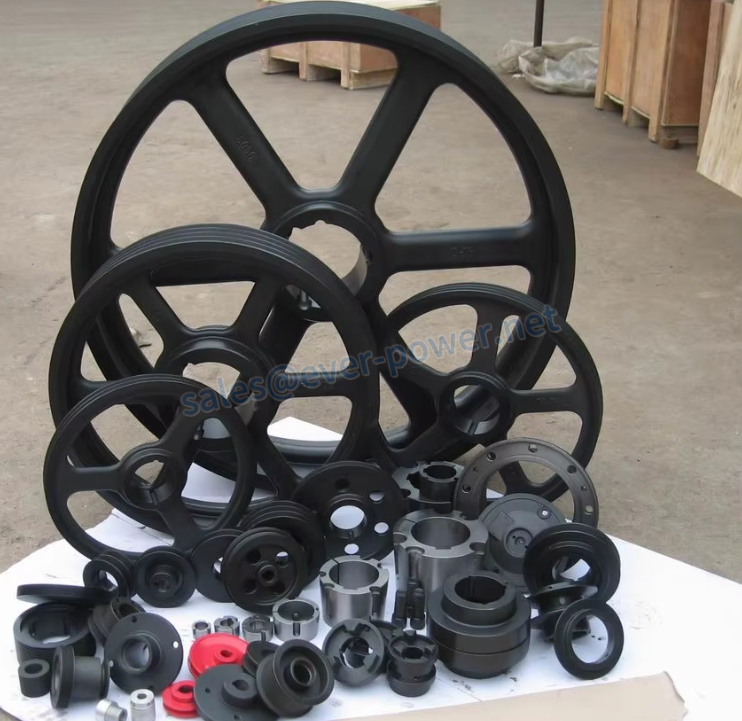
Belt wheel drive, also known as belt drive or pulley drive, is a mechanism that transfers power from one shaft to another by means of a flexible, continuous belt. It is commonly used in machines that require high torque and speed, such as industrial equipment and vehicles. This type of drive system offers numerous advantages over other types of power transmission, such as chain drive and gear drive. In this article, we will explore everything you need to know about belt wheel drive, including its history, working principle, types, advantages, and disadvantages.
The history of belt wheel drive can be traced back to the early 19th century when leather belts were used to transmit power from water wheels to various machines. In the 20th century, with the advent of synthetic materials, belts made of rubber and other polymers replaced leather belts. Today, belt wheel drive is used in a wide range of applications, from small handheld tools to giant wind turbines.
The working principle of belt wheel drive is based on the frictional force between the belt and the pulley. When the belt is wrapped around the pulley, it creates a frictional force that enables the pulley to rotate. This rotation is transferred to the next shaft by means of another pulley, which is connected to the second shaft. The speed and torque of the shafts can be varied by using pulleys of different diameters or by adjusting the tension of the belt.
There are several types of belt wheel drive, each with its own advantages and disadvantages. The most common types are flat belts, V-belts, and timing belts. Flat belts are the simplest type of belt drive and are commonly used in small machines. V-belts have a trapezoidal cross-section and are used in applications that require high torque. Timing belts have teeth on the inner surface and are used in machines that require precise timing.
One of the main advantages of belt wheel drive is its versatility. It can be used to transfer power over long distances and around corners, which is not possible with other types of power transmission. Additionally, belt wheel drive is quieter and smoother than chain or gear drive, making it ideal for applications that require low noise and vibration.
However, belt wheel drive also has some disadvantages. One of the main disadvantages is that the belt can slip under heavy loads, reducing the efficiency of the drive system. Additionally, the belt and pulleys can wear out over time, requiring regular maintenance and replacement.
In conclusion, belt wheel drive is a highly effective means of power transmission that has been used for centuries. Its versatility, quiet operation, and smooth performance make it ideal for a wide range of applications. However, it is important to consider the specific requirements of each application when choosing the type of belt wheel drive to use. With proper maintenance and care, belt wheel drive can provide reliable and efficient power transmission for many years.
How To Measure & Identify V-Belt Pulleys
When it comes to V-belt drives, the pulley is a crucial component that plays a significant role in the overall performance of the system. A properly functioning V-belt pulley ensures that the belt stays tight, reducing slippage and increasing efficiency. However, to ensure that you select the right pulley for your V-belt drive, you need to know how to measure and identify V-belt pulleys. Here are some points to consider:
1. Measure the Pulley Diameter
The diameter of the pulley is an essential measurement that determines the speed of the belt, as well as the torque transmitted from the drive shaft to the driven shaft. Measuring the pulley diameter is easy, and you only need a tape measure. Start by measuring the overall diameter of the pulley, including the belt groove. However, if the pulley has flanges, only measure the distance between the flanges. Ensure that you measure across the center of the pulley to get an accurate reading.
2. Count the Pulley Grooves
Another important consideration when selecting a V-belt pulley is the number of grooves on the pulley. The number of grooves determines how many belts the pulley can accommodate, which, in turn, affects the power transmission capacity. To count the number of grooves, you need to visually inspect the pulley and count the number of channels that run around the circumference of the pulley. Ensure that you count both the deep and shallow grooves for an accurate reading.
3. Measure the Groove Width
Measuring the groove width is critical when selecting a V-belt pulley because it determines the type and size of belt that the pulley can accommodate. To measure the groove width, you need a set of calipers. Start by measuring the width of the V-groove at the bottom. Ensure that you measure across the center of the pulley to get an accurate reading. Also, note that the groove width may vary at different depths, so it’s crucial to measure at multiple points to get the average width.
4. Determine the Shaft Size
The shaft size of the V-belt pulley is another critical factor to consider because it determines how the pulley fits on the shaft. To determine the shaft size, you need to measure the diameter of the shaft and ensure that the pulley bore matches the shaft diameter. Additionally, ensure that you check the keyway size to ensure that it matches the key on the shaft.
By following these steps, you can easily measure and identify V-belt pulleys. Remember to consider all these factors when selecting a V-belt pulley to ensure that you get the right size and type for your application.
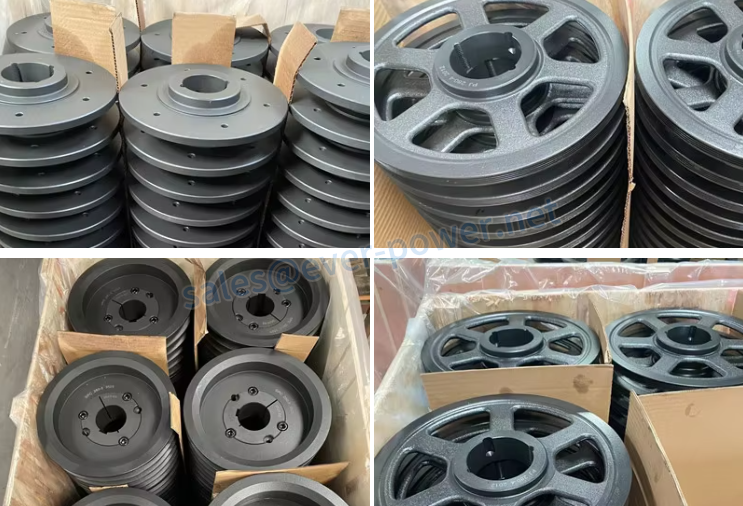
Advantages of Drive Belt Pulley
A drive belt pulley is a crucial component in various mechanical systems. It plays a significant role in transmitting power and motion between different parts of a machine. The advantages of using a drive belt pulley are numerous and can greatly enhance the efficiency and performance of a system.
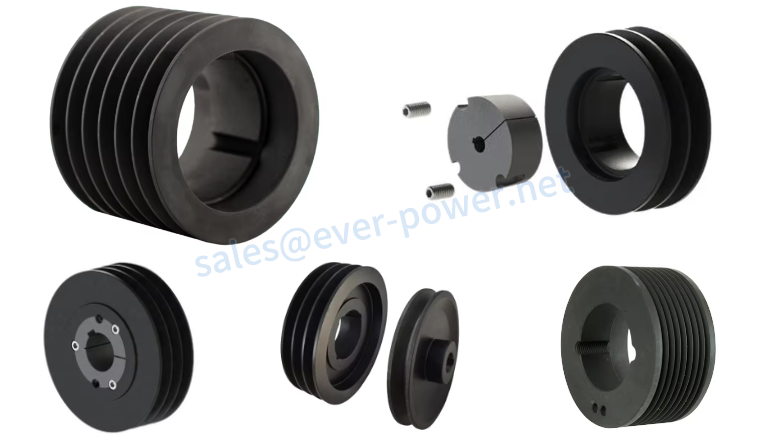
1. Increased Power Transmission: Drive belt pulleys offer a higher level of power transmission compared to other systems. The design and material used in the construction of these pulleys allow for efficient transfer of power, resulting in enhanced performance of the overall system. The precise alignment and tensioning of the drive belt ensure minimal power loss, making it an optimal choice for mechanical systems.
2. Flexible Configuration Options: Drive belt pulleys provide flexible configuration options, allowing for easy customization according to the specific requirements of a system. Different sizes and types of pulleys can be combined to achieve the desired speed and torque ratios, enabling users to optimize the performance of their machines. This versatility makes drive belt pulleys suitable for a wide range of applications.
3. Low Maintenance and Cost-Effective: Drive belt pulleys require minimal maintenance, making them a cost-effective solution for many industries. The design of these pulleys ensures reduced wear and tear, resulting in extended service life and decreased downtime. Additionally, the simple structure of drive belt pulleys allows for easy installation and replacement, reducing labor and maintenance costs.
4. Noise Reduction: The design and materials used in drive belt pulleys contribute to noise reduction during operation. The smooth and precise movement of the belt over the pulley minimizes vibration and noise generation. This advantage is particularly important in applications where noise control is essential, such as in automotive and industrial settings.
5. Efficient Power Transfer: Drive belt pulleys facilitate efficient power transfer, ensuring that the maximum amount of power generated is effectively transmitted to the desired components. The excellent grip and traction provided by the pulley system prevent slippage, resulting in optimal power utilization. This efficiency is crucial for systems that require high power output while maintaining overall performance.
In conclusion, drive belt pulleys offer several advantages that can greatly enhance the efficiency and performance of mechanical systems. With increased power transmission, flexible configuration options, low maintenance requirements, noise reduction, and efficient power transfer, drive belt pulleys are an excellent choice for various applications. Consider incorporating drive belt pulleys into your mechanical systems to experience these significant benefits.
About Ever-Power
At Ever-Power, we specialize in the production and sale of Taper lock pulleys. Our products are sold all over the world and have won a good reputation for excellent product quality and after-sales service. We warmly welcome both domestic and foreign customers to contact us to discuss business, exchange information, and develop cooperation.
Here are the top 5 advantages of choosing Ever-Power as your quality manufacturer, supplier, and exporter:
1. Experienced Workforce: Ever-Power has more than 141 workers who are highly skilled and experienced in producing Taper lock pulleys. We ensure that our workers undergo regular training and development programs to keep them updated with the latest trends and technologies.
2. Advanced Machining Centers: With our own CNC lathes and CNC machining centers, we are able to produce high-quality Taper lock pulleys that meet your specific requirements.
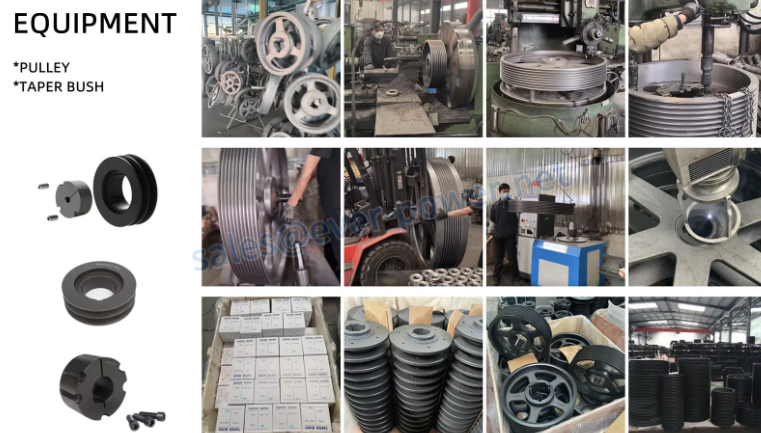
3. Quality Control: At Ever-Power, we adhere to strict quality control measures to ensure that our products meet the highest standards. Our quality control team conducts regular inspections throughout the manufacturing process to ensure that our products are defect-free.
4. Customization: We are able to customize our Taper lock pulleys to meet your specific needs. Whether it’s a specific size, material, or finish, we’ve got you covered.
5. Excellent Customer Service: At Ever-Power, we pride ourselves on providing excellent customer service. We are always available to answer your questions and provide you with the support you need.
With these advantages, it’s no wonder why Ever-Power is one of the best manufacturers and suppliers in China. Choose Ever-Power for your Taper lock pulley needs and experience the difference in quality and service.Author:CX