Automotive Steering Rack Gear Lubricant Selection and Maintenance
In the automotive steering system, gear racks are the mechanical components that convert the rotational motion of the steering wheel into linear motion, which controls the vehicle’s wheels. Gear racks are part of a rack and pinion mechanism and provide a direct and precise steering response, making them a popular choice in the automotive industry. In this article, we will discuss gear rack lubricant selection and maintenance, including basic definitions, advantages, working principles, applications, selection criteria, and common issues.
Basic Definitions and Product Features
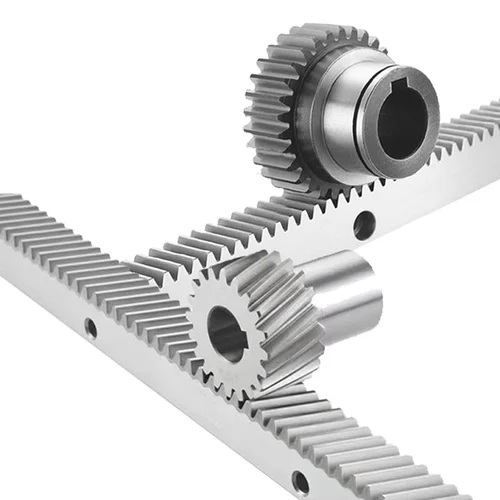
Gear racks for automobiles are mechanical components used in the steering system to convert the rotational motion of the steering wheel into linear motion that controls the movement of the vehicle’s wheels. The gear rack in an automobile steering system is typically part of a rack and pinion mechanism. Gear racks provide several advantages, including:
- Precise Steering: Gear racks provide a direct and precise steering response, allowing drivers to have better control over the vehicle’s movements.
- Enhanced Durability: Gear racks are designed to withstand high loads and forces, making them durable and reliable components in automotive steering systems.
- Improved Efficiency: Gear racks have high mechanical efficiency, which means less power is lost in the steering system, resulting in improved fuel efficiency.
- Compact Design: Gear racks offer a compact and space-saving solution, making them suitable for vehicles with limited space in the engine compartment.
- Cost-Effective: Gear racks are relatively cost-effective compared to other steering mechanisms, making them a popular choice in the automotive industry.
- Easy Installation: Gear racks can be easily installed in vehicles, reducing the complexity and time required for assembly.

Working Principles
Gear racks for automobiles work based on the principle of converting rotational motion into linear motion. They are typically used in conjunction with a pinion gear, forming a rack and pinion system. When the driver turns the steering wheel, it rotates the pinion gear. The pinion gear engages with the teeth of the gear rack, causing the rack to move linearly. This linear motion is then transmitted to the steering linkage, which ultimately turns the vehicle’s wheels.
The teeth on the gear rack are precisely spaced and shaped to ensure a smooth and accurate transfer of motion. The engagement between the pinion gear and the gear rack provides the mechanical advantage required to amplify the driver’s steering input and steer the vehicle effectively.
Applications
Gear racks for automobiles find widespread applications in various steering systems, including:
- Steering Systems: Gear racks are primarily used in the steering systems of automobiles, providing the necessary linear motion to convert the rotational movement of the steering wheel into the lateral movement of the wheels.
- Rack and Pinion Systems: Gear racks are integral components of rack and pinion steering systems, which are widely used in modern vehicles for their simplicity and efficiency.
- Electric Power Steering: Gear racks are also employed in electric power steering systems, where they work in conjunction with electric motors to assist the driver in steering maneuvers.
- Heavy-Duty Vehicles: Gear racks find applications in heavy-duty vehicles such as trucks and buses, where their robust construction and load-bearing capacity are crucial for reliable steering performance.
- Recreational Vehicles: Gear racks are utilized in recreational vehicles (RVs), motorhomes, and campers, providing stable and responsive steering during long-distance travels.
- Off-Road Vehicles: Gear racks are commonly used in off-road vehicles, including SUVs and all-terrain vehicles (ATVs), to withstand the rigors of rough terrains and provide precise steering control.

Gear Rack Lubricant Selection
Proper lubrication is essential for ensuring the smooth and reliable operation of gear racks in automotive steering systems. The following criteria should be considered when selecting gear rack lubricants:
- Viscosity: The viscosity of the lubricant should be compatible with the operating temperature range of the steering system. Higher viscosity lubricants provide better load-carrying capacity, while lower viscosity lubricants offer improved fuel efficiency.
- Additives: The lubricant should contain appropriate additives, such as anti-wear agents, rust inhibitors, and friction modifiers, to enhance its performance and protect against wear, corrosion, and noise.
- Compatibility: The lubricant should be compatible with the materials used in the gear rack and other steering system components.
- Environmental Factors: Consider environmental factors, such as temperature, humidity, and contaminants, when selecting gear rack lubricants.
Gear Rack Maintenance
Gear racks require regular maintenance to ensure their optimal performance and longevity. The following maintenance tasks should be performed:
- Regular Inspection: Conduct periodic inspections of the gear rack, looking for signs of wear, damage, or misalignment. Pay attention to the condition of the teeth, the presence of contaminants, and any unusual noises or vibrations.
- Lubrication: Follow the manufacturer’s recommendations for lubrication intervals and use the appropriate lubricant. Apply lubricant to the gear rack as specified, ensuring even coverage along the length of the rack.
- Cleaning: Regularly clean the gear rack to remove dirt, debris, and contaminants. Use a suitable cleaning agent and a soft brush or cloth to gently clean the rack, being careful not to damage the teeth or other components.
- Protection from Corrosion: If the gear rack is exposed to corrosive elements, consider applying a protective coating or corrosion inhibitor to prevent rust or corrosion. Follow the manufacturer’s recommendations for suitable protective measures.
- Torque Checks: Periodically check the fasteners securing the gear rack to ensure they remain properly torqued. Follow the manufacturer’s specifications for torque values and tightening sequences.
- Address Issues Promptly: If any abnormal behavior, excessive play, noise, or steering inconsistencies are observed, address the issues promptly. Consult a qualified professional to diagnose and rectify the problem to prevent further damage or safety hazards.

Introduction to EVER POWER
EVER POWER is a professional manufacturer of gear racks in China, with more than 100 professional rack production equipment and testing equipment. The one-time processing length of the rack is 3000MM, the module range is M1-M30, British CP, American DP, etc. EVER POWER produces various high-precision racks suitable for the high-end market, with excellent products, affordable prices, and good service attitude. EVER POWER’s products are exported to different countries such as Spain, the Netherlands, the United States, South Korea, Turkey, and Russia. EVER POWER offers other gear rack products such as Gear Rack For Door Opener, gear rack for elevator, rack and pinion steering, metric gear rack, etc. Customers are welcome to inquire about customized products.
EVER POWER has strict quality management systems and a complete set of precision measuring instruments and production monitoring systems. EVER POWER has considerable competitiveness in the same industry and adheres to the principles of quality first, timely delivery, and credit first. EVER POWER is willing to meet the needs of users with high-quality products, fair prices, and perfect services.


