Introduction to Belt Tensioner Pulley
Design and Working Principle of Belt Tensioner Pulley
- The belt tensioner pulley is designed to maintain proper tension on the drive belt in the engine.
- It works by applying pressure to the belt, keeping it tight and preventing slipping.
- By ensuring the belt is properly tensioned, the pulley helps the engine run smoothly and efficiently.
- It is typically made of high-quality materials to withstand the demanding conditions in the engine compartment.
- The design of the belt tensioner pulley allows for easy installation and reliable performance.
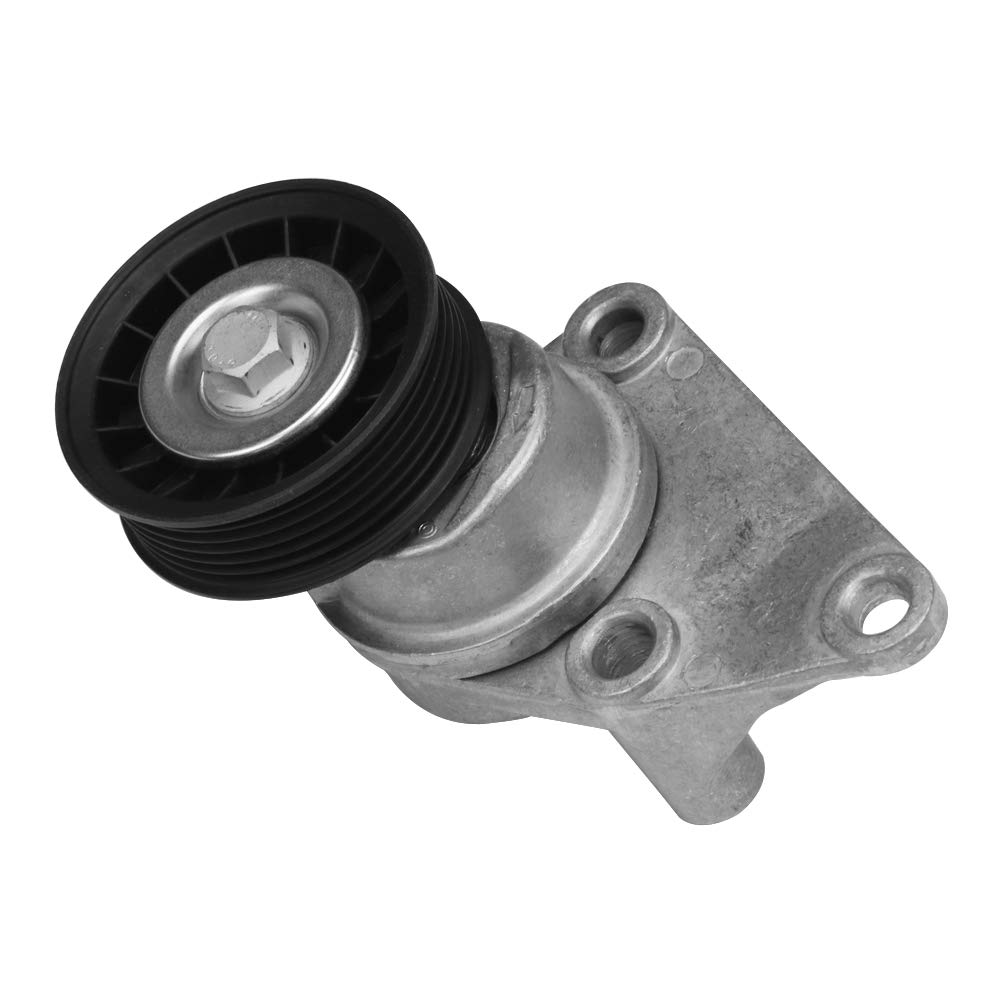
What happens when a belt tensioner fails?
- Loss of tension on the drive belt, leading to slippage and reduced engine performance.
- Noise from the engine compartment due to the loose belt vibrating against other components.
- Increased wear on the belt and other engine parts due to improper tension.
- Risk of the belt coming off completely, causing the engine to fail.
- Potential damage to the pulley itself, requiring replacement.
How do I know if my belt tensioner pulley is bad?
- Strange noises coming from the engine compartment.
- Visible wear or damage on the pulley itself.
- Belt slipping or squealing during operation.
- Engine performance issues, such as reduced power or efficiency.
- Visible misalignment of the belt on the pulley.
Advantages of Belt Tensioner Pulley
- Ensures proper tension on the drive belt for optimal engine performance.
- High-quality materials ensure durability and longevity.
- Easy installation process for convenience.
- Helps prevent costly engine damage due to belt issues.
- Compatible with a wide range of vehicle makes and models.
Process of Belt Tensioner Pulley
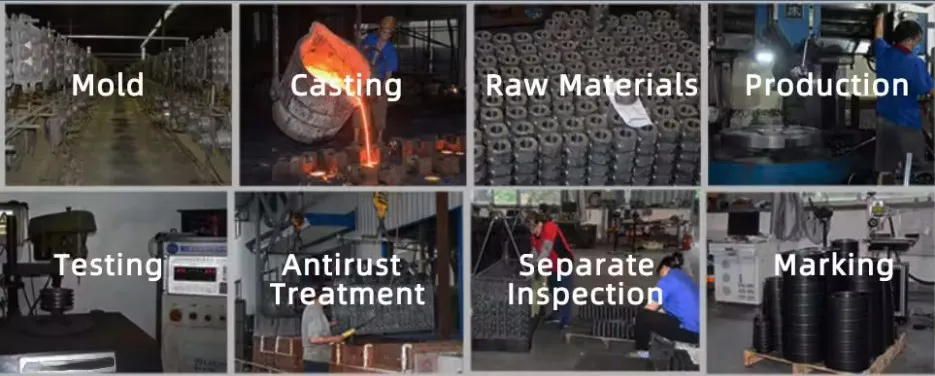
- Mold creation to form the shape of the pulley.
- Casting of materials to create the pulley structure.
- Selection of high-quality raw materials for durability.
- Precision production process to ensure quality and performance.
- Rigorous testing to confirm functionality and reliability.
- Antirust treatment for longevity in various conditions.
- Separate inspection to guarantee quality standards are met.
- Marking of the pulley for identification and traceability.
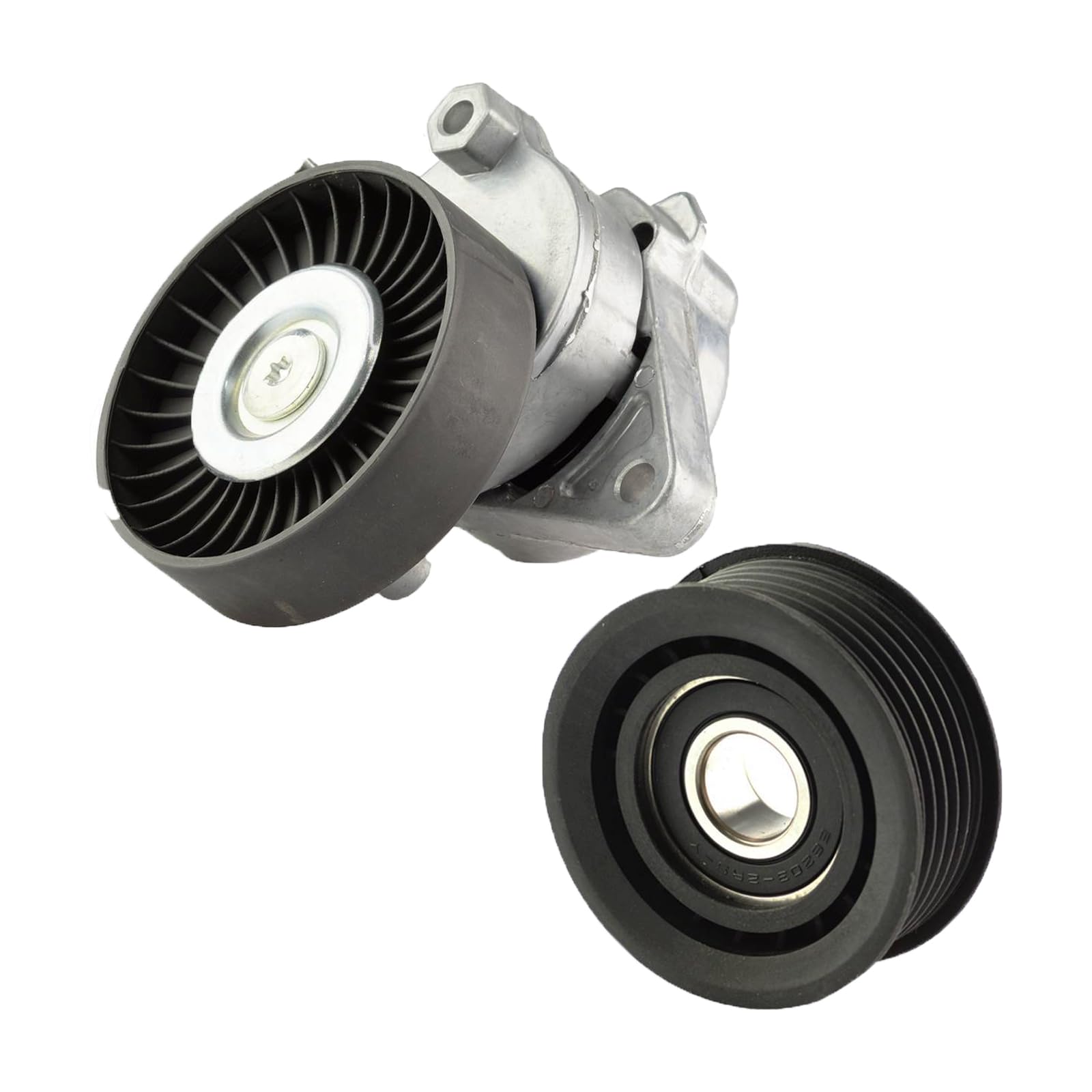
Should I replace belt tensioner or just pulley?
- If the tensioner is failing, it is recommended to replace the entire assembly for optimal performance.
- Replacing both the tensioner and pulley together can prevent future issues and ensure proper tension on the belt.
- It is more cost-effective in the long run to replace both components at the same time.
- Consult with a mechanic to determine the best course of action for your specific situation.
- Regular maintenance and inspection can help prevent premature failure of the tensioner or pulley.
How does a belt tensioner pulley work?
- The belt tensioner pulley applies pressure to the drive belt to keep it tight.
- It pivots on a mounted arm to maintain consistent tension as the belt moves.
- The design of the pulley allows for smooth operation and minimal wear on the belt.
- Proper tension on the belt ensures efficient power transfer from the engine to other components.
- Overall, the belt tensioner pulley plays a crucial role in the performance and longevity of the engine.
About HZPT
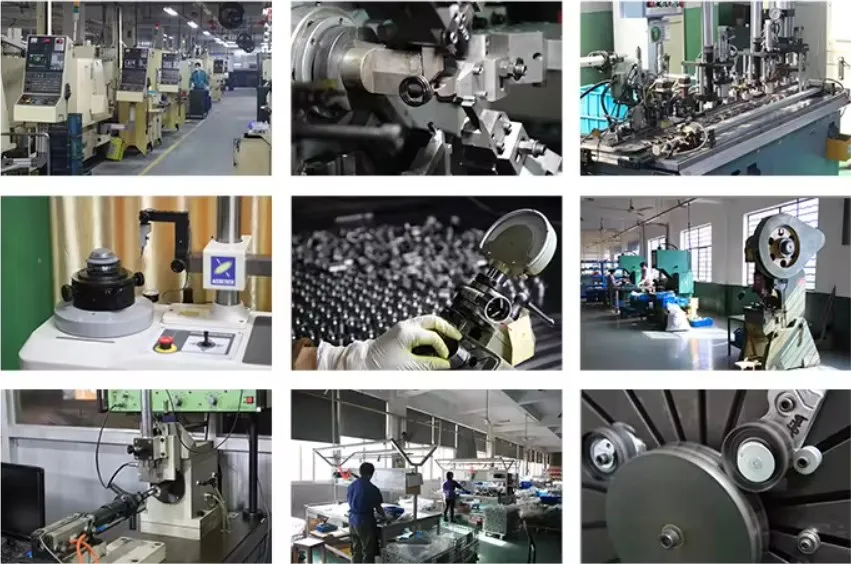
HZPT was established in 2006 and is a leading manufacturer of precision transmission components headquartered in Hangzhou. We specialize in producing various machined parts and can create complex products to meet your needs. Before establishing our overseas sales team, we started producing 3D printer accessories, anti-theft screws and nuts, camera mounts, and more. We also offer assembly production services to streamline the process and save time and costs. Our commitment is to provide the highest quality, most competitive parts, and the best service, regardless of the size of your project. Choose HZPT for superior products and services!