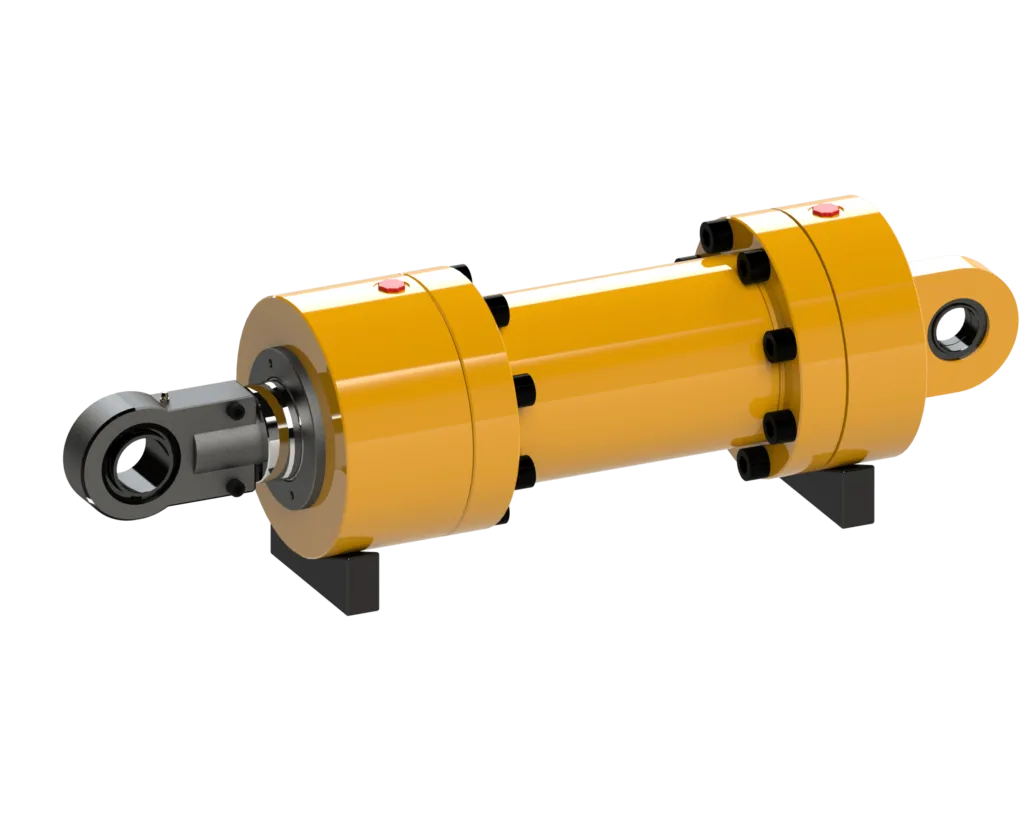
Exploring the Versatility of Push-Type Single-Acting Hydraulic Cylinders in Industrial Machinery
Understanding Push-Type Single-Acting Hydraulic Cylinders
Push-type single-acting hydraulic cylinders are essential components in industrial machinery, providing linear force in one direction through the use of hydraulic fluid. These cylinders are designed to convert hydraulic energy into mechanical force, driving various types of equipment and machinery.
Principles of Single-Acting Cylinders
- Single-acting cylinders utilize hydraulic pressure to extend the piston rod, generating force in a single direction.
- These cylinders rely on a spring or external load to retract the piston, making them ideal for applications where force is only required in one direction.
- Compared to double-acting cylinders, single-acting cylinders are simpler in design and more cost-effective.
Components and Structure
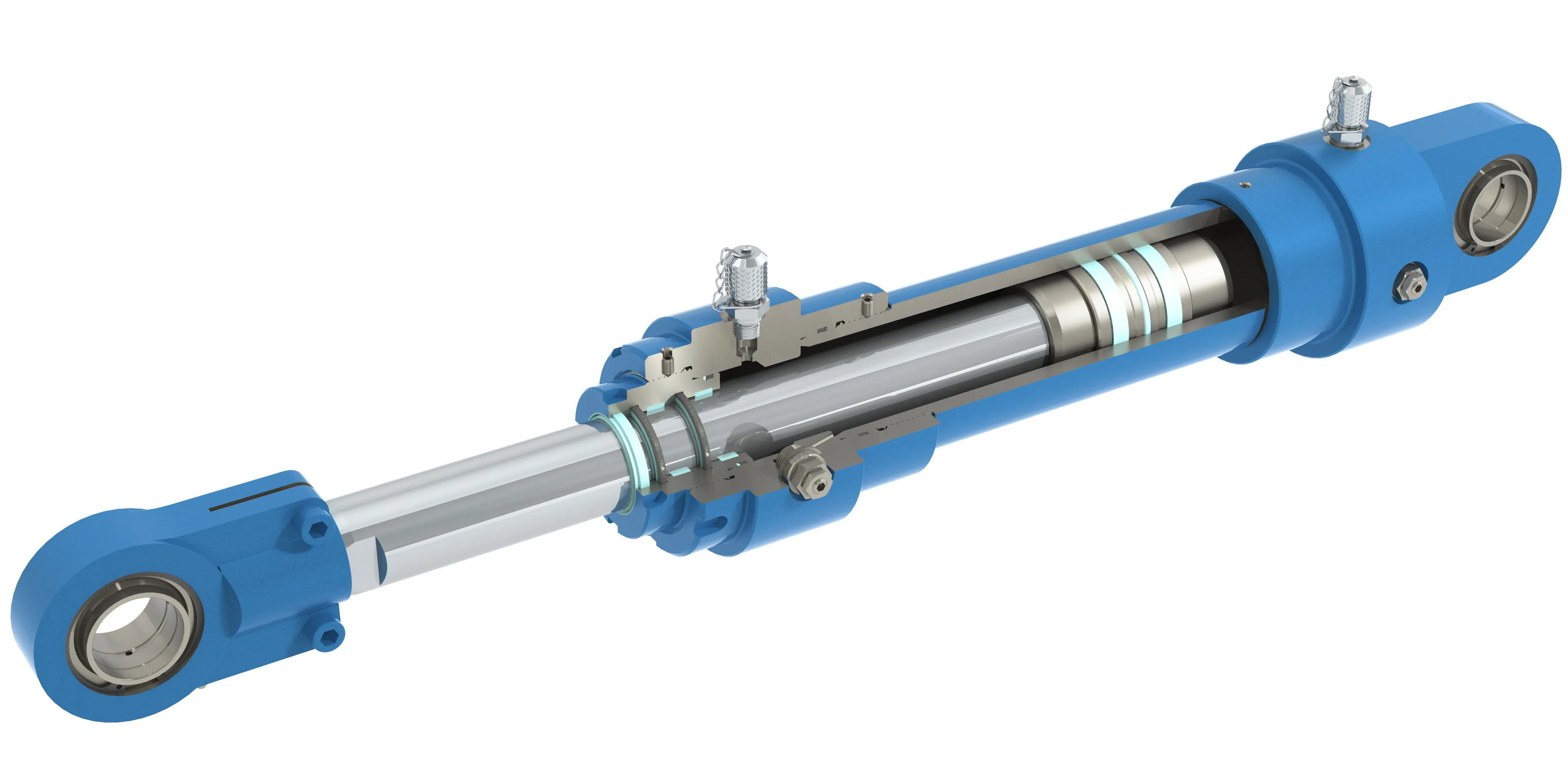
The push-type single-acting hydraulic cylinder consists of a cylinder barrel, piston, piston rod, and seals. The cylinder is sealed on one end and open on the other, allowing hydraulic fluid to enter and exert force on the piston. The piston rod extends from the cylinder to transmit force to the external load.
Working Principle
When hydraulic fluid is pumped into the cylinder, it pushes the piston forward, extending the piston rod and generating linear force. The force produced by the cylinder can be controlled by adjusting the hydraulic pressure, allowing for precise movement and positioning in industrial applications.
Types and Configurations
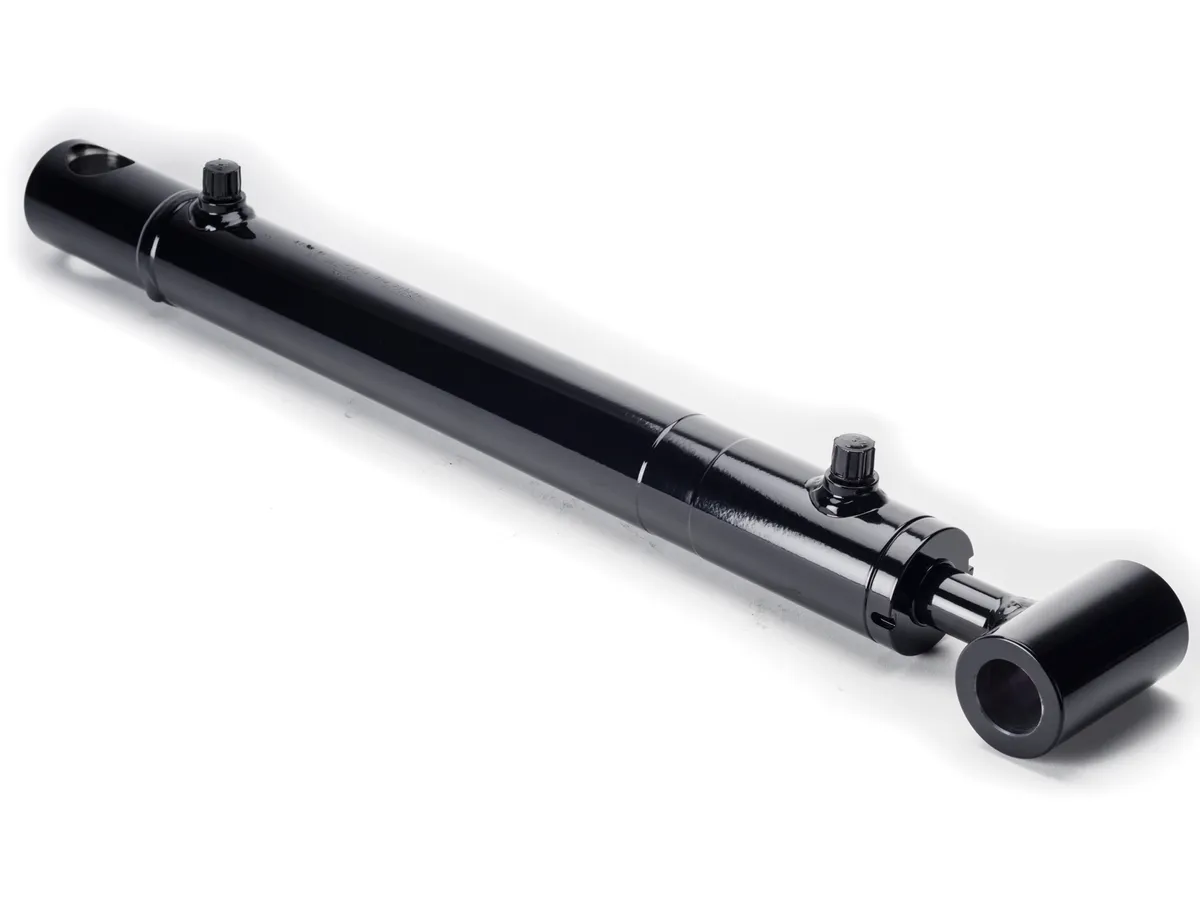
There are various types of push-type single-acting hydraulic cylinders available, including telescopic cylinders, plunger cylinders, and differential cylinders. Each type offers unique features and benefits, catering to different industrial requirements.
Advantages of Single-Acting Cylinders
Single-acting cylinders offer several advantages, including compact design, high load capacity, robust construction, leak resistance, cost-effectiveness, and suitability for harsh industrial environments. These features make them versatile and reliable components in industrial machinery.
Application Scenarios
Push-type single-acting hydraulic cylinders are widely used in construction, manufacturing, transportation, and other industrial sectors. They play a crucial role in various machinery and equipment, providing efficient force transmission and motion control.
Considerations for Selection

- When selecting a single-acting cylinder, factors such as cylinder size, force calculations, stroke length, inner diameter, and rod diameter should be carefully considered to ensure optimal performance in specific applications.
Sealing Technology and Structure
The sealing technology and cylinder structure of push-type single-acting hydraulic cylinders are crucial for preventing leakage and ensuring efficient operation. Different sealing materials and structural components play a significant role in maintaining the integrity of the cylinder.
Speed Control and Buffering
Controlling cylinder speed and movement is essential for safe and efficient operation. Various buffering options can be implemented to prevent shock and vibration, enhancing the performance and longevity of the cylinder.
Maintenance and Inspection
- Regular inspection and preventive maintenance measures are essential to prolong the lifespan of single-acting cylinders and prevent potential issues.
Installation Guide
Proper installation of push-type single-acting hydraulic cylinders is critical for optimal performance and safety. Following the manufacturer’s guidelines and ensuring correct alignment and connection is key to successful installation.
Maintenance Tasks
- Regular inspection, proper lubrication, seal replacement, and calibration inspection are crucial maintenance tasks to keep push-type single-acting cylinders in optimal condition.
Safety Considerations
Ensuring safety measures are in place when using single-acting cylinders is paramount to prevent accidents and injuries. Adhering to safety protocols and guidelines can help maintain a secure working environment.
Fault Diagnosis and Solutions
Identifying common problems and implementing troubleshooting tips can help resolve issues with push-type single-acting hydraulic cylinders. Understanding fault diagnosis and solutions is essential for maintaining operational efficiency.
Key Questions Answered
1. How does a push-type single-acting hydraulic cylinder operate?
2. What are the advantages of using a push-type single-acting hydraulic cylinder?
3. In what applications are push-type single-acting hydraulic cylinders commonly used?
Long-Tail Keywords
1. “Telescopic Push-Type Single-Acting Hydraulic Cylinder”
2. “Plunger Push-Type Single-Acting Hydraulic Cylinder”
3. “Differential Push-Type Single-Acting Hydraulic Cylinder”
Company Overview
Our company is a leading hydraulic cylinder replacement manufacturer, offering a comprehensive product line and customized services. With international certifications and a commitment to quality, we provide reliable hydraulic solutions for industrial machinery.
Author: lyl