Introduction to Alternator Belt Tensioner Pulley
Design and Working Principle of Belt Tensioner Pulley
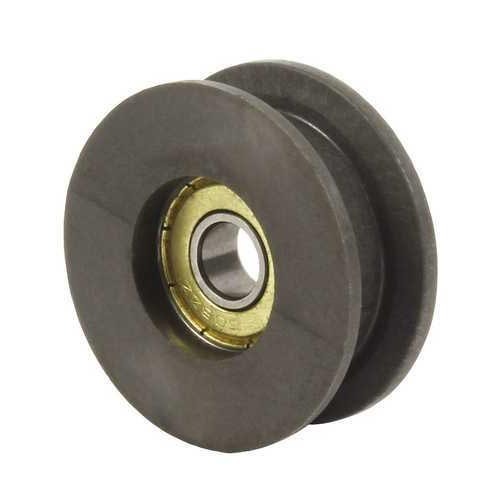
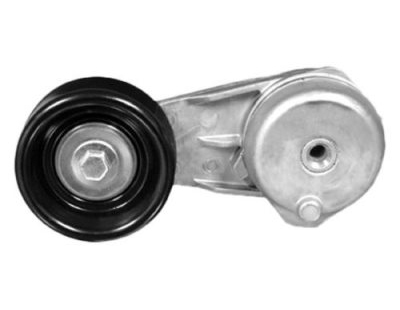
The belt tensioner pulley is designed to maintain proper tension on the alternator belt, ensuring smooth operation of the engine components. It is typically mounted on a spring-loaded arm to automatically adjust tension as the belt stretches over time. The pulley itself is equipped with bearings to reduce friction and allow smooth rotation.
What happens when a belt tensioner fails?
1. Loss of Tension
When a belt tensioner fails, it can lead to the belt losing tension, causing it to slip or come off entirely.
2. Squealing Noise
A failing belt tensioner can produce a squealing noise as the belt slips due to inadequate tension.
3. Engine Overheating
If the alternator belt loses tension due to a failed tensioner, it may not properly drive the water pump, leading to engine overheating.
4. Reduced Power Steering
A failing belt tensioner can also affect the power steering system, making it harder to turn the steering wheel.
5. Battery Not Charging
If the alternator belt slips or comes off completely due to a failed tensioner, the battery may not receive a proper charge.
How do I know if my belt tensioner pulley is bad?
1. Squeaking or Grinding Noise
If you hear unusual noises coming from the engine area, it could indicate a problem with the belt tensioner pulley.
2. Visible Wear or Damage
Inspect the belt tensioner pulley for any signs of wear, cracking, or damage that could affect its function.
3. Belt Misalignment
If the belt appears to be misaligned or not sitting properly on the pulley, it could be a sign of a failing tensioner.
4. Excessive Belt Slack
If the belt feels loose and has excessive slack, the tensioner pulley may not be applying sufficient tension.
5. Engine Performance Issues
Any decrease in engine performance, such as reduced power or acceleration, could be attributed to a failing belt tensioner pulley.
Advantages of Belt Tensioner Pulley
1. Improved Engine Efficiency
The belt tensioner pulley helps maintain proper tension on the alternator belt, ensuring optimal engine performance.
2. Extended Belt Lifespan
By properly tensioning the belt, the tensioner pulley can help extend the lifespan of the alternator belt.
3. Reduced Maintenance Costs
Properly functioning belt tensioner pulleys can help reduce the need for frequent belt replacements and associated maintenance costs.
4. Enhanced Safety
Ensuring that the alternator belt is properly tensioned with a functioning tensioner pulley can contribute to overall vehicle safety.
5. Smooth Engine Operation
A well-maintained belt tensioner pulley can contribute to smooth engine operation and reduced risk of engine damage.
Process of Belt Tensioner Pulley
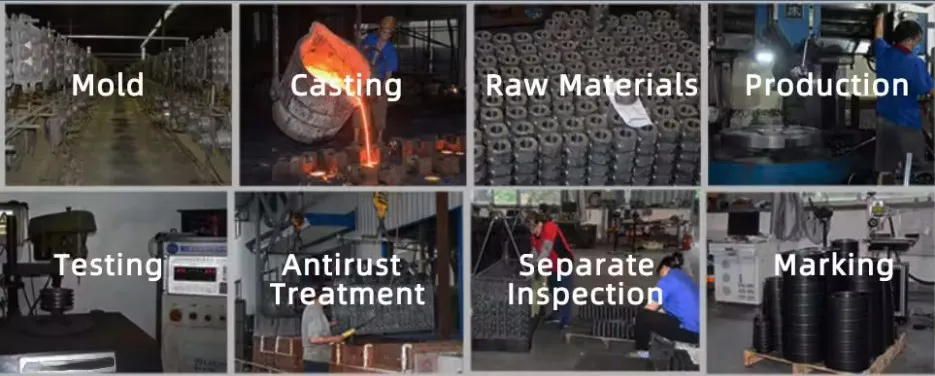
The production process of the belt tensioner pulley involves several key steps:
1. Mold Creation
Design and create molds for the pulley shape.
2. Casting
Pour molten raw materials into the mold to create the pulley shape.
3. Raw Materials
Use high-quality materials to ensure durability and performance.
4. Production
Manufacture the pulley according to specifications and quality standards.
5. Testing
Conduct thorough testing to ensure the pulley meets performance requirements.
6. Antirust Treatment
Apply antirust treatment to protect the pulley from corrosion.
7. Seperate Inspection
Inspect each pulley individually to ensure quality and consistency.
8. Marking
Mark the pulley with relevant information for identification and traceability.
Should I replace belt tensioner or just pulley?
1. Overall Condition
If the entire belt tensioner assembly is worn or damaged, it may be more cost-effective to replace the entire unit.
2. Cost Consideration
Compare the cost of replacing just the pulley versus the entire tensioner assembly to make an informed decision.
3. Labor Intensity
Replacing the entire tensioner assembly may require more labor, but could provide a more comprehensive solution.
4. Warranty Coverage
Consider any warranty coverage on the parts and labor when deciding whether to replace the tensioner or just the pulley.
5. Professional Inspection
Have a professional mechanic inspect the tensioner assembly to determine the best course of action.
How does a belt tensioner pulley work?
1. Tension Adjustment
The belt tensioner pulley automatically adjusts tension on the alternator belt as needed to maintain proper operation.
2. Spring-loaded Mechanism
The pulley is mounted on a spring-loaded arm that applies tension to the belt to prevent slipping.
3. Bearing Rotation
The pulley rotates on bearings to reduce friction and allow smooth operation of the belt.
4. Continuous Monitoring
The tensioner pulley continuously monitors and adjusts tension to accommodate changes in the belt length.
5. Synchronous Operation
The belt tensioner pulley works in sync with other engine components to ensure optimal performance and efficiency.
About HZPT
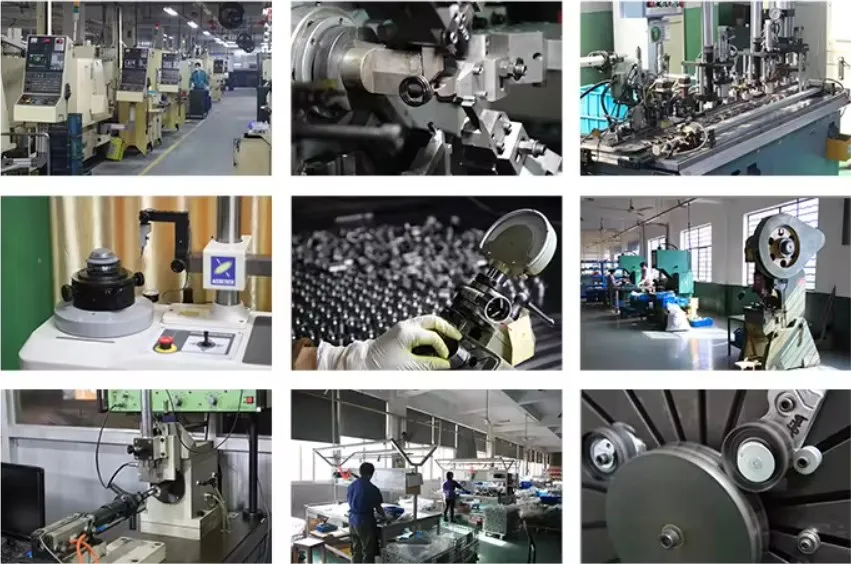
Established in 2006, HZPT is a leading manufacturer of precision transmission components based in Hangzhou. We specialize in producing various complex components and offering customization services to meet your specific needs. Before establishing our overseas sales team, we were already producing 3D printer parts, anti-theft screws and nuts, camera mounts, and more. We provide one-stop assembly production services to streamline the process and save time and costs. With a focus on quality, competitive pricing, and superior service, HZPT has earned a reputation for excellence among major clients in Europe and America. Choose HZPT for top-notch products and exceptional service!