The agricultural machinery vegetable seeder for sesame planting is a specialized tool designed to efficiently sow sesame seeds in agricultural fields. This type of seeder is engineered to optimize planting by ensuring precise seed placement, depth, and spacing, which are crucial for the successful cultivation of sesame crops.
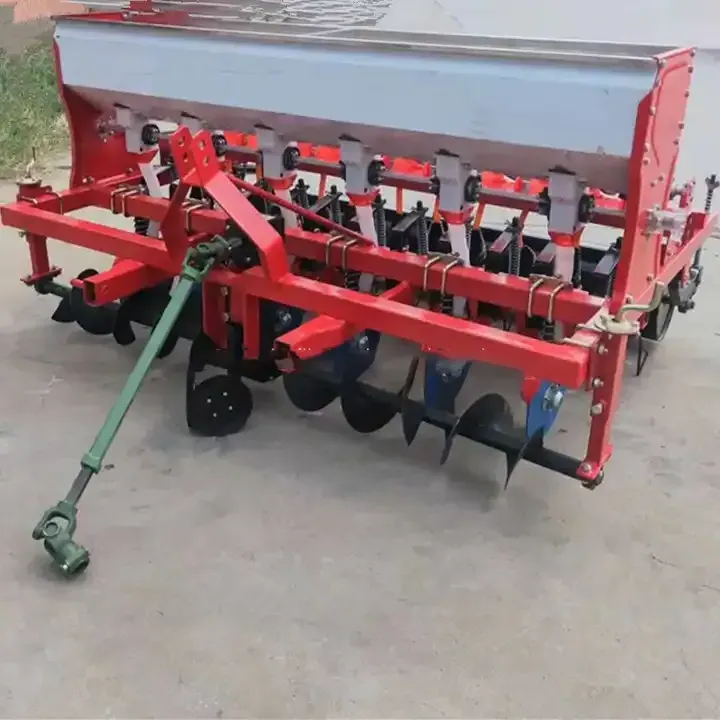
Typically, the vegetable seeder machine consists of a hopper to hold the seeds, a mechanism for metering the seeds, and a series of discs or tines that create furrows in the soil. The metering system ensures a consistent flow of seeds, preventing wastage and promoting even germination. These seeders can be adjusted for various row spacings and seeding rates, allowing farmers to customize the planting process according to field conditions and crop requirements.
By mechanizing the seeding process, this equipment reduces labor costs, increases planting speed, and enhances the uniformity of seed distribution. The result is a more efficient planting operation, leading to higher yields and better resource management. The use of such machinery is essential for modern sesame farming, contributing to improved productivity and sustainability.
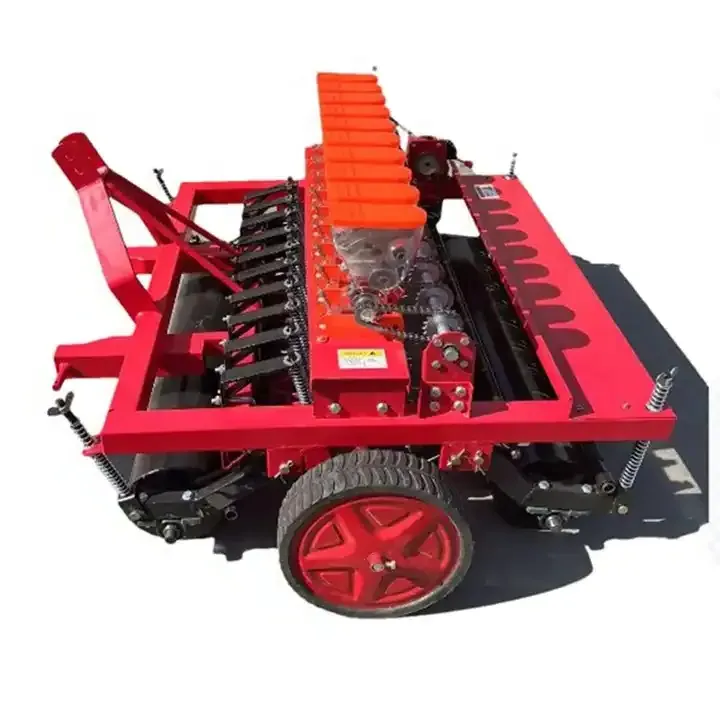
Benefits of Using a Vegetable Seeder for Sesame Planting
The benefits of using a vegetable seeder specifically designed for sesame planting are numerous and can significantly enhance the efficiency and success of the planting process. Here are some key advantages:
1. Precision in Seed Placement: A vegetable seeder ensures precise placement of sesame seeds in the soil, which is crucial for optimal growth. This precision reduces seed wastage and ensures that seeds are planted at the correct depth and spacing, promoting uniform germination and growth patterns across the field. This uniformity leads to more efficient use of resources.
2. Increased Planting Efficiency: Using a vegetable seeder significantly speeds up the planting process compared to manual methods. This machinery can cover large areas quickly, reducing the time and labor required for planting. This efficiency is particularly beneficial during optimal planting windows, ensuring that the entire crop is sown at the right time for maximum yield.
3. Labor Cost Reduction: By mechanizing the seeding process, farmers can greatly reduce the need for manual labor. This reduction in labor not only cuts costs but also minimizes human error in seed distribution. As a result, farmers can allocate their resources more effectively, focusing on other critical aspects of crop management and farm operations.
4. Improved Seedling Emergence: Consistent depth and spacing achieved by a seeder lead to better seedling emergence rates. When seeds are planted at uniform depths, they receive consistent moisture and temperature conditions, enhancing their ability to sprout simultaneously. This synchronization is vital for managing irrigation and pest control more effectively.
5. Enhanced Crop Yields: The uniformity and precision offered by seeders often result in higher crop yields. Even spacing and depth allow each plant to access sufficient nutrients, sunlight, and water, reducing competition and promoting healthier growth. Over time, this can significantly increase the overall productivity of sesame crops.
6. Customization and Flexibility: Modern seeders offer adjustable settings that allow farmers to customize planting parameters according to specific field conditions and crop requirements. This flexibility ensures that the seeder can be used for various soil types and planting conditions, providing versatility and adaptability in different farming scenarios.
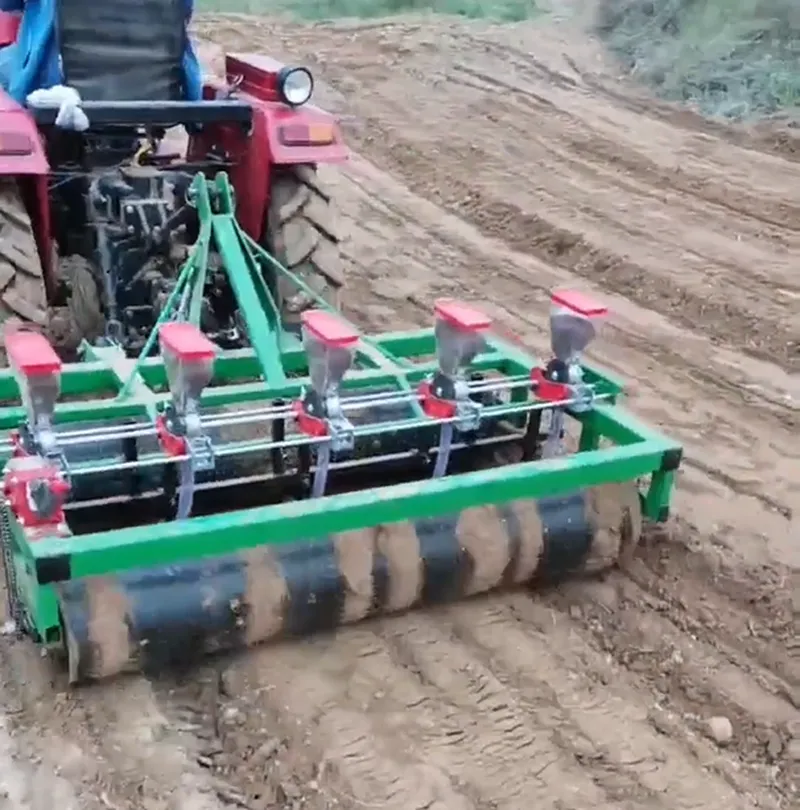
Typical Applications:
Vegetable planter machines are versatile agricultural tools that find applications across various farming operations. Some common applications of vegetable planter machines include:
(1) Sesame Planting: The vegetable planter machine is ideal for sesame planting due to its precision in seed placement and depth control. It ensures uniform spacing, which is critical for sesame crops to receive adequate sunlight and nutrients. This uniformity leads to higher germination rates and healthier plants, ultimately increasing yield and efficiency.
(2) Spinach Planting: For spinach planting, the machine provides accurate spacing and depth, essential for the leafy green’s rapid growth. Spinach requires well-spaced planting to prevent overcrowding and ensure proper air circulation. The planter’s precision helps to optimize growth conditions, leading to a robust and healthy crop with minimal thinning required.
(3) Onion Planting: Onion seeds or sets benefit from the machine’s ability to plant at consistent depths and intervals. This precision is vital for bulb development, as it ensures each onion has enough space to grow. The machine reduces labor and increases planting speed, making large-scale onion farming more efficient and productive.
(4) Carrot Planting: Carrots require careful planting to achieve straight, uniform roots. The vegetable planter machine excels in placing seeds at the correct depth and spacing, which is crucial for root development. By ensuring even planting, the machine minimizes seed wastage and improves crop quality, leading to better marketable produce.
(4) Cabbage Planting: When planting cabbage, the machine ensures that seeds are evenly spaced to allow for the large leaves and heads to develop properly. Consistent spacing enhances air flow and sunlight exposure, reducing the risk of disease. The machine’s efficiency in planting can significantly lower labor costs and improve overall crop management.
(5) Celery Planting: Celery planting benefits from the machine’s precise seed spacing and depth control, promoting strong, uniform stalk growth. Proper spacing is crucial for celery, as it requires ample space for air circulation to prevent disease. The planter machine enhances planting speed and accuracy, leading to a more productive and healthy celery crop.
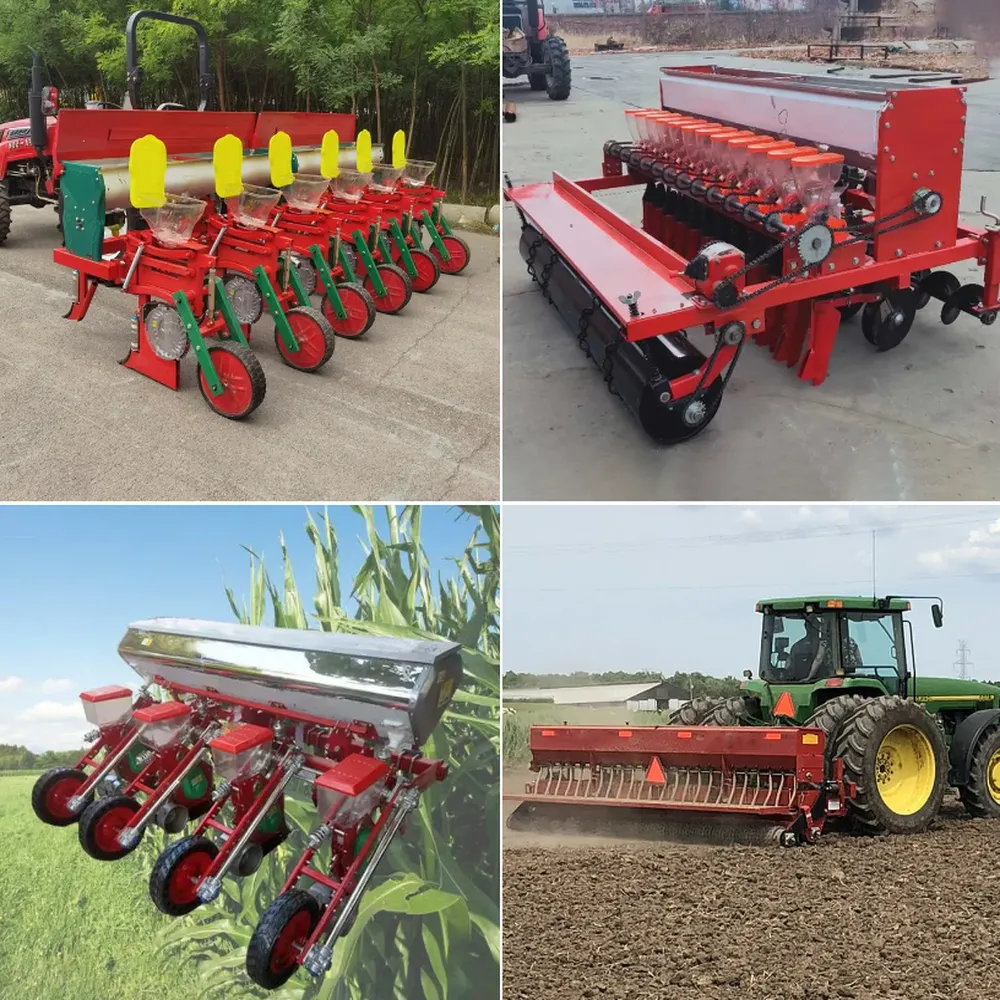
Key Components of a Vegetable Seeder
A vegetable seeder is a specialized agricultural machine designed for efficient and accurate planting of vegetable seeds. The key components of a vegetable seeder typically include:
1. Seed Hopper: The seed hopper is a crucial component that holds and dispenses seeds during the planting process. Its design ensures a steady flow of seeds into the metering system. The hopper’s capacity and material can vary, but it must protect seeds from moisture and external contaminants to maintain their viability.
2. Metering Mechanism: The metering mechanism controls the rate at which seeds are released from the hopper. Precision is essential here, as it determines seed spacing and depth. This component can be adjusted to accommodate different seed sizes and planting requirements, ensuring optimal distribution and minimizing wastage during the sowing process.
3. Seed Delivery System: The seed delivery system guides seeds from the metering mechanism to the soil. This system often includes tubes or channels that prevent seeds from bouncing or clumping, ensuring accurate placement. Proper delivery is vital for maintaining uniformity in seed spacing, which directly impacts crop growth and yield.
4. Furrow Openers: Furrow openers create precise grooves in the soil for seed placement. These components can be discs, knives, or shovels, depending on the seeder’s design and the soil type. They ensure that seeds are planted at the correct depth and help maintain consistent planting conditions across varying field terrains.
6. Closing Wheels or Devices: Closing wheels or devices follow the furrow openers to cover seeds with soil. They ensure good soil-to-seed contact, which is essential for germination. These components also help to eliminate air pockets and protect seeds from pests and environmental factors, promoting a stable environment for seedling growth.
7. Frame and Hitch System: The frame and hitch system provides structural support and connects the seeder to a tractor or other pulling equipment. This component must be robust and adjustable to handle various field conditions and planting requirements. A well-designed frame ensures stability and durability, contributing to the machine’s overall efficiency and longevity.
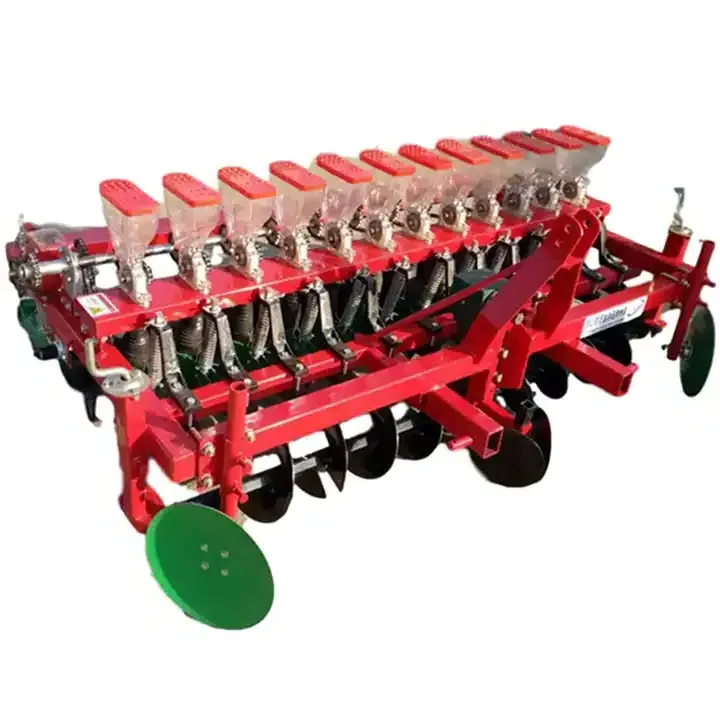
Working Principle:
A tractor-mounted PTO driven vegetable planter for planting sesame seeds operates based on a specific set of principles to ensure accurate and efficient planting. Here is a breakdown of the working principle of such a machine:
(1) Power Transmission: The tractor-mounted planter is powered by the tractor’s Power Take-Off (PTO) system. The PTO transfers rotational energy from the tractor’s engine to the planter, driving its various components. This setup provides consistent power, enabling efficient operation of the metering system, furrow openers, and other essential parts of the planter.
(2) Seed Metering: The metering system receives power from the PTO and controls the flow of sesame seeds from the hopper. It ensures precise seed dispensing at set intervals, which is crucial for maintaining uniform spacing. The system can be adjusted for different seed sizes and desired planting densities, optimizing seed usage and crop yield.
(3) Furrow Creation: As the planter moves forward, furrow openers create grooves in the soil. These openers are precisely calibrated to achieve the correct depth for sesame seeds, ensuring optimal conditions for germination. The PTO-driven mechanism ensures consistent furrow depth across the field, regardless of soil variability.
(4) Seed Placement: The seeds are delivered from the metering system into the prepared furrows. The delivery mechanism ensures that seeds are placed accurately and at the correct depth. This precision minimizes seed wastage and promotes uniform germination, leading to healthier crop development and higher yields.
(5) Furrow Closing: After seed placement, closing wheels or devices cover the seeds with soil. This step ensures good seed-to-soil contact, which is essential for moisture retention and germination. The closing mechanisms operate efficiently, driven by the PTO, to maintain consistent pressure and coverage throughout the planting process.
(6) Adjustability and Control: The planter offers adjustable settings for seed rate, depth, and row spacing to accommodate different field conditions and sesame planting requirements. These adjustments are crucial for optimizing the planter’s performance, ensuring it meets specific agricultural needs and adapts to varying soil types and crop demands.
Maintenance Tips for Tractor Mounted Vegetable Seeder
Maintaining a tractor-mounted vegetable seeder is crucial for ensuring optimal performance, longevity, and consistent planting results. Regular maintenance not only prevents costly breakdowns but also enhances the machine’s efficiency and effectiveness in planting various crops, including sesame. Here are some key maintenance tips for a tractor-mounted vegetable seeder:
1. Regular Cleaning: After each use, thoroughly clean the seeder to remove soil, debris, and seed residues. This prevents clogging and corrosion of components. Pay special attention to the seed hopper, metering system, and delivery tubes to ensure they remain free of blockages for consistent performance in future planting sessions.
2. Lubrication of Moving Parts: Regularly lubricate all moving parts, including bearings, chains, and gears. Proper lubrication minimizes friction and wear, extending the lifespan of the components. Use the recommended lubricants specified in the manufacturer’s manual to ensure compatibility and avoid potential damage to the seeder’s mechanisms.
3. Inspection of Metering System: Frequently inspect the metering system for wear and tear. Check for cracks or signs of damage that might affect seed flow. Accurate metering is crucial for uniform seed placement, so replace any worn parts promptly to maintain seeding precision and avoid uneven crop emergence.
4. Check and Adjust Furrow Openers: Inspect the furrow openers for signs of wear and ensure they are correctly aligned and set to the desired depth. Worn or misaligned openers can affect seed placement accuracy. Regular adjustments help maintain consistent furrow depth, which is vital for proper seed germination and crop growth.
5. Monitor Closing Wheels: Examine the closing wheels to ensure they are functioning properly and applying the right pressure to cover seeds. Check for wear or damage that could affect soil contact and seed coverage. Properly functioning closing wheels ensure good seed-to-soil contact, essential for successful germination.
6. Tighten Loose Bolts and Connections: Regularly check and tighten any loose bolts, nuts, and connections on the seeder. Vibration during operation can loosen fasteners, leading to misalignment or component failure. Ensuring all parts are securely fastened maintains structural integrity and prevents operational disruptions during planting.
Agricultural PTO Shaft for Vegetable Planter Machine
The agricultural PTO shaft is a critical component in the operation of a vegetable planter machine. It serves as the mechanical link between the tractor and the planter, transferring power from the tractor’s engine to drive the planter’s various functions. This connection allows the planter to perform essential tasks such as seed metering, furrow opening, seed placement, and furrow closing.
The PTO shaft ensures that the planter operates efficiently by providing consistent power, which is essential for maintaining the precision required in planting operations. For example, the metering system relies on this power to dispense seeds at set intervals and with accurate spacing, crucial for optimizing crop yields. Similarly, the furrow openers and closing wheels function smoothly and consistently, thanks to the steady power supplied by the PTO shaft.
This power transfer system also allows for flexibility and adaptability in the field. The tractor can adjust speed and power output based on varying field conditions, ensuring that the planter operates optimally. This adaptability is vital for handling different soil types, terrain, and planting requirements, making the combination of a PTO shaft and a vegetable planter machine highly versatile.
Moreover, the PTO-driven planter reduces the need for manual labor, increasing efficiency and productivity. The machine can cover large areas quickly and with precision, which is particularly advantageous during optimal planting windows. By mechanizing the planting process, farmers can achieve more uniform crop emergence and improved overall crop management.
The relationship between the agricultural PTO shaft and the vegetable planter machine is integral to modern farming operations. The PTO shaft’s role in delivering power enables the planter to perform its tasks with precision and efficiency, enhancing planting accuracy, reducing labor costs, and ultimately contributing to higher crop yields. This synergy between tractors and planters is essential for sustainable and productive agricultural practices.
Why Choose EVER-POWER’s Vegetable Seeders?
EVER-POWER is a renowned company specializing in the production and sales of vegetable seeders. With a robust infrastructure and a team of skilled professionals, we have established ourselves as a leader in the agricultural machinery industry. Our state-of-the-art manufacturing facilities are equipped with advanced technology, allowing us to deliver high-quality and reliable products to our clients worldwide. Our commitment to innovation and excellence has earned us a reputation for being a trusted partner in the agricultural sector.
Our vegetable seeders are designed with precision and efficiency in mind. They offer features such as adjustable row spacing, accurate seed metering, and consistent planting depth, ensuring optimal crop growth and yield. These seeders are versatile and can handle a variety of vegetable seeds, including onions, carrots, tomatoes, and chili peppers. They are ideal for different farming scenarios, from small-scale farms to large agricultural operations.
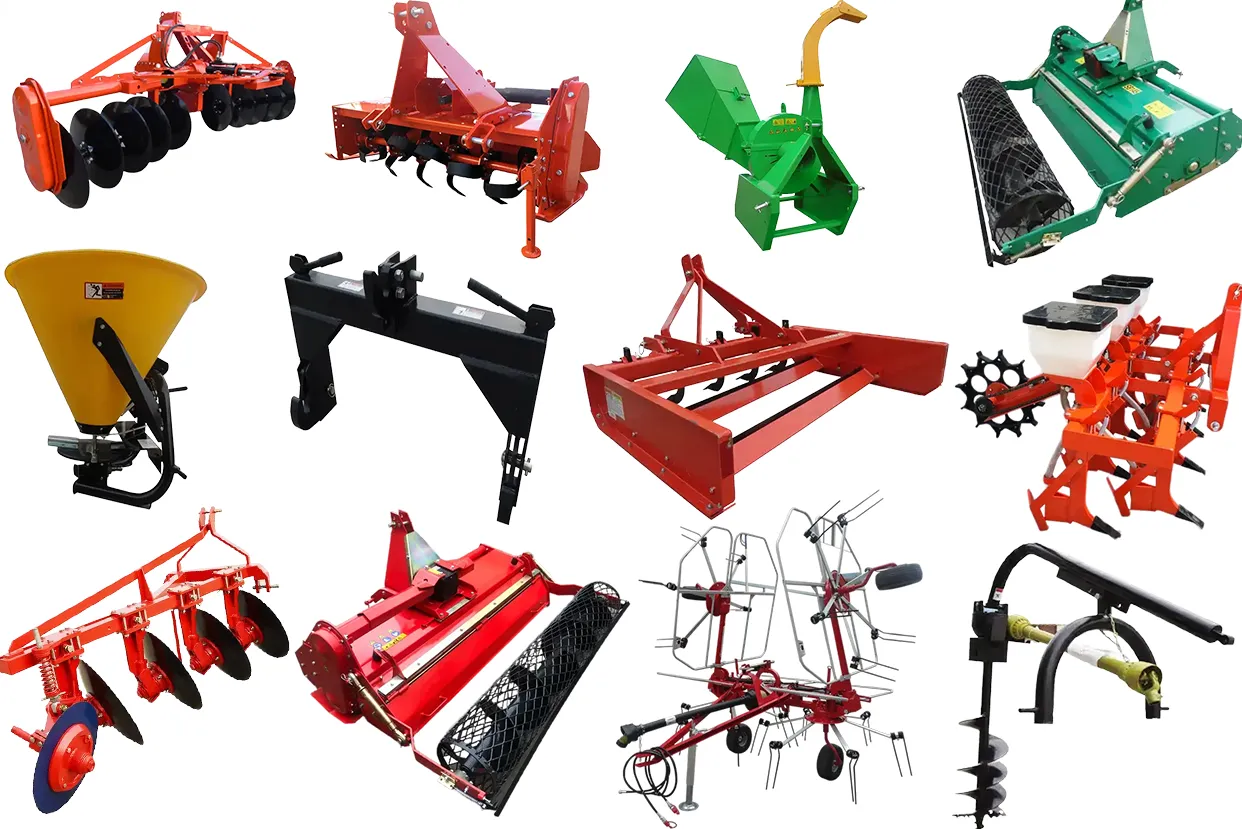
Our ability to provide customized solutions tailored to the specific needs of our clients sets us apart from the competition. Additionally, our extensive product range includes PTO shafts, agricultural gearboxes, large round balers, mini round balers, hay square balers, PTO wood chippers, diesel wood chippers, drum mowers, disc mowers, rotary hay rakes, lawn mowers, sickle bar mowers, rotary mowers, rotary tillers, land levelers, furrow ploughs, disc harrows, disc blades, disc ridgers, disc ploughs, potato planters, potato harvesters, wheat seeders, post hole diggers, boom sprayers, agricultural subsoiler, agricultural trailers, finger wheel rake, among other equipment.
In terms of professionalism, EVER-POWER adheres to the highest standards of quality and reliability. We hold international certifications that attest to our commitment to excellence in manufacturing agricultural machinery. Our customized services ensure that each client’s unique requirements are met with precision and attention to detail. Our production facilities are equipped with cutting-edge technology and a skilled workforce that ensures the highest quality standards are maintained.
Furthermore, our after-sales services are unmatched, with a dedicated team ready to provide support and assistance to our clients whenever needed. At EVER-POWER, we strive to exceed expectations and deliver innovative solutions that drive success in agriculture.
Author: Yjx