Introduction to Belt Tensioner Pulley
Design and Working Principle of Belt Tensioner Pulley
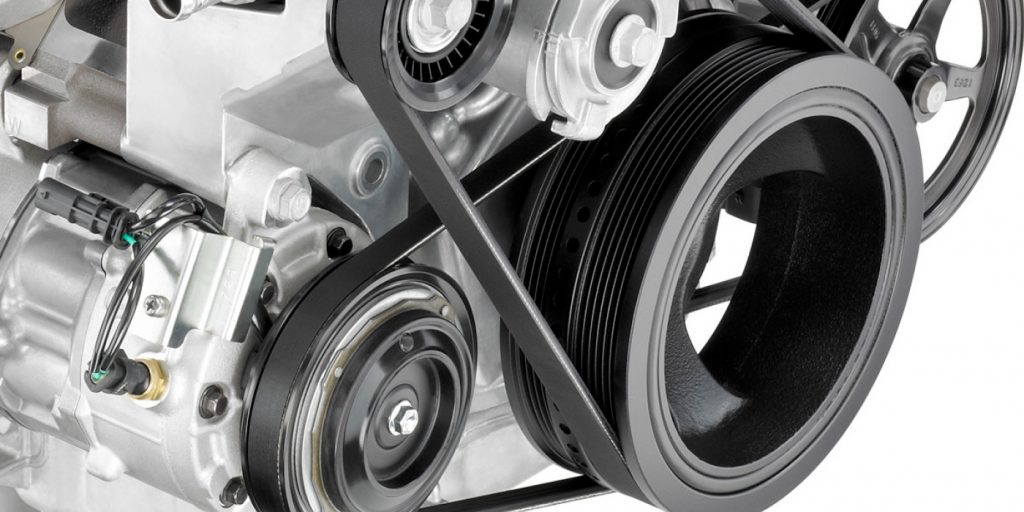
- The belt tensioner pulley is designed to maintain proper tension on the drive belt in a vehicle’s engine.
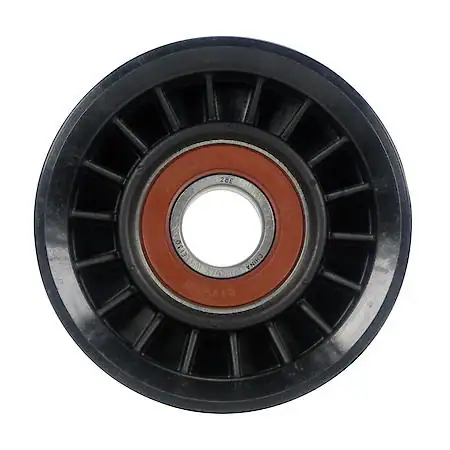
- It consists of a pulley mounted on a spring-loaded arm to automatically adjust the tension of the belt.
- When the engine is running, the belt tensioner pulley rotates to ensure the belt stays in place and drives various engine components.
- It plays a crucial role in preventing belt slippage and ensuring optimal performance of the engine.
- Overall, the design and working principle of the belt tensioner pulley help in efficient power transmission within the engine system.
What happens when a belt tensioner fails?
- Loss of tension in the drive belt leading to slippage.
- Noisy operation due to belt misalignment.
- Increased wear and tear on the belt and other engine components.
- Overheating of the engine due to reduced cooling system function.
- Loss of power steering and other accessories driven by the belt.
How do I know if my belt tensioner pulley is bad?
- Strange noises coming from the engine.
- Visible wear or damage on the pulley.
- Belt slipping or squealing.
- Engine overheating.
- Failure of other engine components.
Advantages of Belt Tensioner Pulley
- Ensures proper tension on the drive belt.
- Reduces wear on the belt and other engine components.
- Improves overall engine performance.
- Prevents belt slippage.
- Enhances the lifespan of the drive belt.
Process of Belt Tensioner Pulley
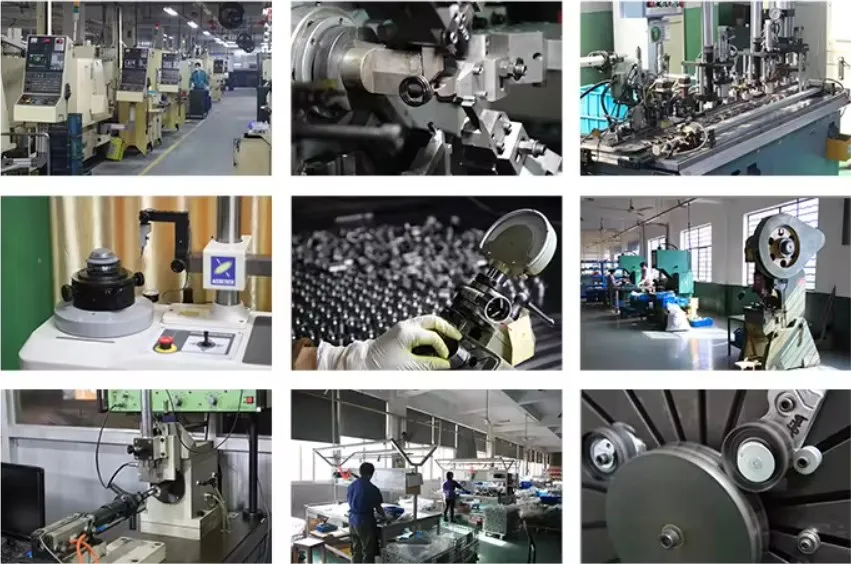
Mold
The mold is created to shape the initial design of the tensioner pulley.
Casting
The molten raw material is poured into the mold to form the pulley’s shape.
Raw Materials
High-quality materials are used to ensure durability and performance.
Production
The pulleys are manufactured with precision and attention to detail.
Testing
Each pulley undergoes rigorous testing to ensure quality and functionality.
Antirust Treatment
A special coating is applied to prevent rust and corrosion.
Separate Inspection
Every pulley is individually inspected for any defects or imperfections.
Marking
Each pulley is marked with relevant information for identification.
Should I replace belt tensioner or just pulley?
- If the tensioner is worn out, it is recommended to replace the entire assembly.
- If only the pulley is damaged, it can be replaced separately.
- Regular maintenance and inspection can help determine the best course of action.
- Consult a professional mechanic for advice on replacement.
- Consider the age and condition of the entire assembly before making a decision.
How does a belt tensioner pulley work?
- The belt tensioner pulley adjusts the tension of the drive belt automatically.
- It ensures that the belt stays in place and drives various engine components smoothly.
- When the engine is running, the pulley rotates to maintain optimal tension on the belt.
- Any changes in tension are compensated for by the spring-loaded arm of the tensioner.
- Overall, the belt tensioner pulley plays a critical role in the efficient operation of the engine.
About HZPT
At HZPT, we are a leading manufacturer of precision transmission components established in 2006. Based in Hangzhou, we specialize in producing various intricate parts to meet custom requirements. Our dedication to quality and efficiency has earned us a reputation in Europe and America. We offer top-notch services, high product quality, and competitive prices. Our production processes involve advanced techniques like 3D printing and assembly services to provide cost-effective solutions. Trust HZPT for all your transmission component needs!