4 Sheave Block
- Increased Efficiency: The 4 sheave block is designed to increase the efficiency of lifting operations by distributing the load evenly across four sheaves.
- Higher Load Capacity: With four sheaves working together, the 4 sheave block can handle heavier loads compared to blocks with fewer sheaves.
- Smooth Operation: The multiple sheaves reduce friction, providing a smoother operation during lifting tasks.
- Durable Construction: The 4 sheave block is constructed with high-quality materials to ensure longevity and reliability in demanding environments.
- Versatile Applications: This block is suitable for a wide range of applications, including construction, rigging, and industrial settings.
Types of Sheave Pulleys
Fixed Pulleys
Fixed pulleys have an immobile axle and are used to change the direction of the force applied to the rope or cable.
Movable Pulleys
Movable pulleys have a free axle that moves with the load, providing a mechanical advantage when lifting heavy objects.
Compound Pulleys
Compound pulleys combine fixed and movable pulleys to provide both a change in direction and a mechanical advantage, making them ideal for lifting extremely heavy loads.
Block and Tackle Pulleys
Block and tackle pulleys consist of multiple pulleys arranged in a block and tackle system to provide a high mechanical advantage for lifting heavy loads with ease.
Snatch Blocks
Snatch blocks are designed to be attached to a fixed point and allow ropes or cables to be reeved through them to change the direction of the force or to increase the mechanical advantage.
Wire Rope Pulleys
Wire rope pulleys are specifically designed to work with wire ropes for lifting and pulling applications, providing a smooth and efficient operation.
What is a Sheave on a Pulley?
- A sheave is a wheel with a grooved rim around its circumference, typically used with a rope or belt to change the direction of a force or transmit power.
- Sheaves are commonly found in pulley systems and are essential for lifting, lowering, or transmitting mechanical power efficiently.
- They come in various sizes and materials, depending on the application and load requirements.
- The groove on the sheave helps guide the rope or belt and prevents slippage during operation.
- Sheaves can be made from materials such as steel, aluminum, or plastic, depending on the specific application and environment.
What are Sheaves Used For?
- Changing the direction of a force
- Transmitting power between shafts
- Increasing or decreasing mechanical advantage
- Supporting and guiding ropes or cables
- Reducing friction in pulley systems
- Facilitating lifting and lowering operations
Process of Sheave Pulley

Mold
The mold for the sheave pulley is created based on the design specifications to ensure accuracy and consistency in production.
Casting
The molten metal is poured into the mold to form the shape of the sheave pulley, allowing it to take on the desired form.
Raw Materials
High-quality materials such as steel or aluminum are used to ensure durability and strength in the final product.
Production
The sheave pulley is manufactured using precision machining and assembly processes to meet the required specifications.
Testing
Each sheave pulley undergoes rigorous testing to ensure it meets quality standards and can perform effectively in its intended application.
Antirust Treatment
An antirust treatment is applied to the sheave pulley to protect it from corrosion and prolong its lifespan.
Separate Inspection
Each sheave pulley is individually inspected to verify its quality and functionality before being released for use.
Marking
The sheave pulley is marked with relevant information such as size, load capacity, and production details for easy identification and traceability.
How do you Adjust Sheave Pulleys?
- Inspect the sheave pulley for any wear or damage before making adjustments.
- Loosen the set screws or bolts holding the sheave in place using the appropriate tools.
- Adjust the position of the sheave on the shaft to align it properly with other components.
- Ensure the sheave is securely tightened in place to prevent slippage during operation.
- Check the alignment and tension of the belt or rope running on the sheave to ensure smooth operation.
- Test the sheave pulley after adjustment to verify that it functions correctly and efficiently.
- Regularly monitor and maintain the sheave pulley to prevent premature wear and ensure optimal performance.
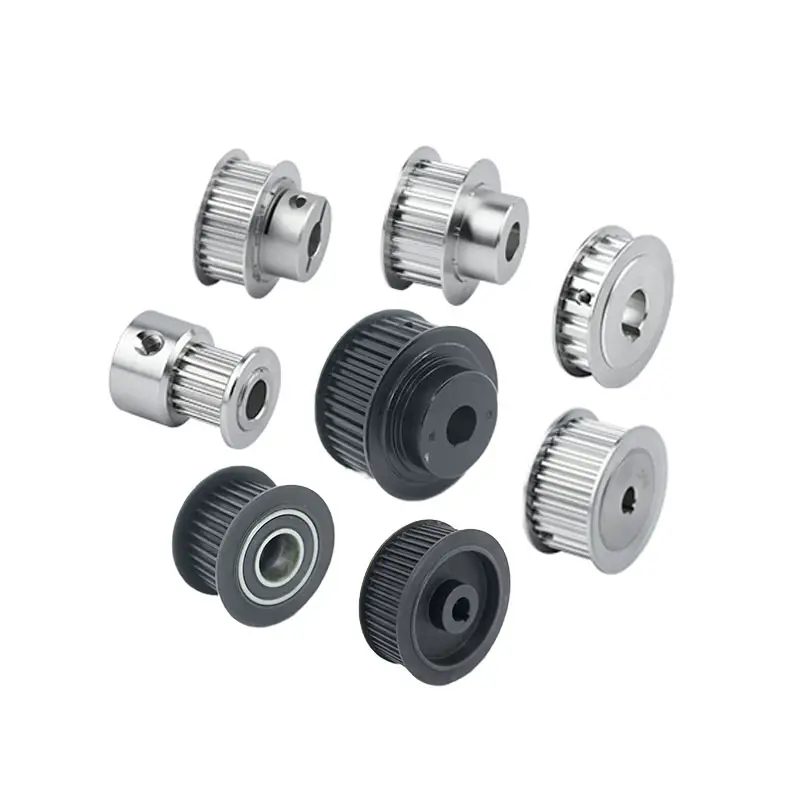
About HZPT
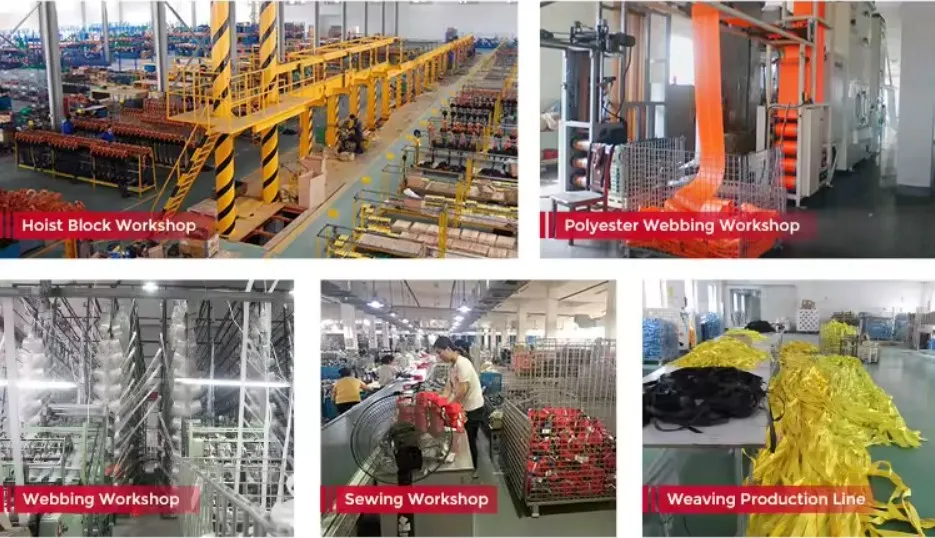
HZPT, established in 2006, is a leading manufacturer of precision transmission components headquartered in Hangzhou. We specialize in producing various machined parts and can customize products to meet your specific requirements. Before establishing an overseas sales team, we started producing 3D printer accessories, anti-theft screws and nuts, camera brackets, and more. We also offer assembly production services to streamline the process and save time and costs. With a focus on quality, competitive pricing, and excellent customer service, HZPT has earned a reputation among top clients in Europe and America. Choose HZPT for superior products and services tailored to your needs.