Category Archives: Helical Gear

Unleashing the Power of Helical Gears: A Comprehensive Guide to Applications

Introducing the Helical Gear

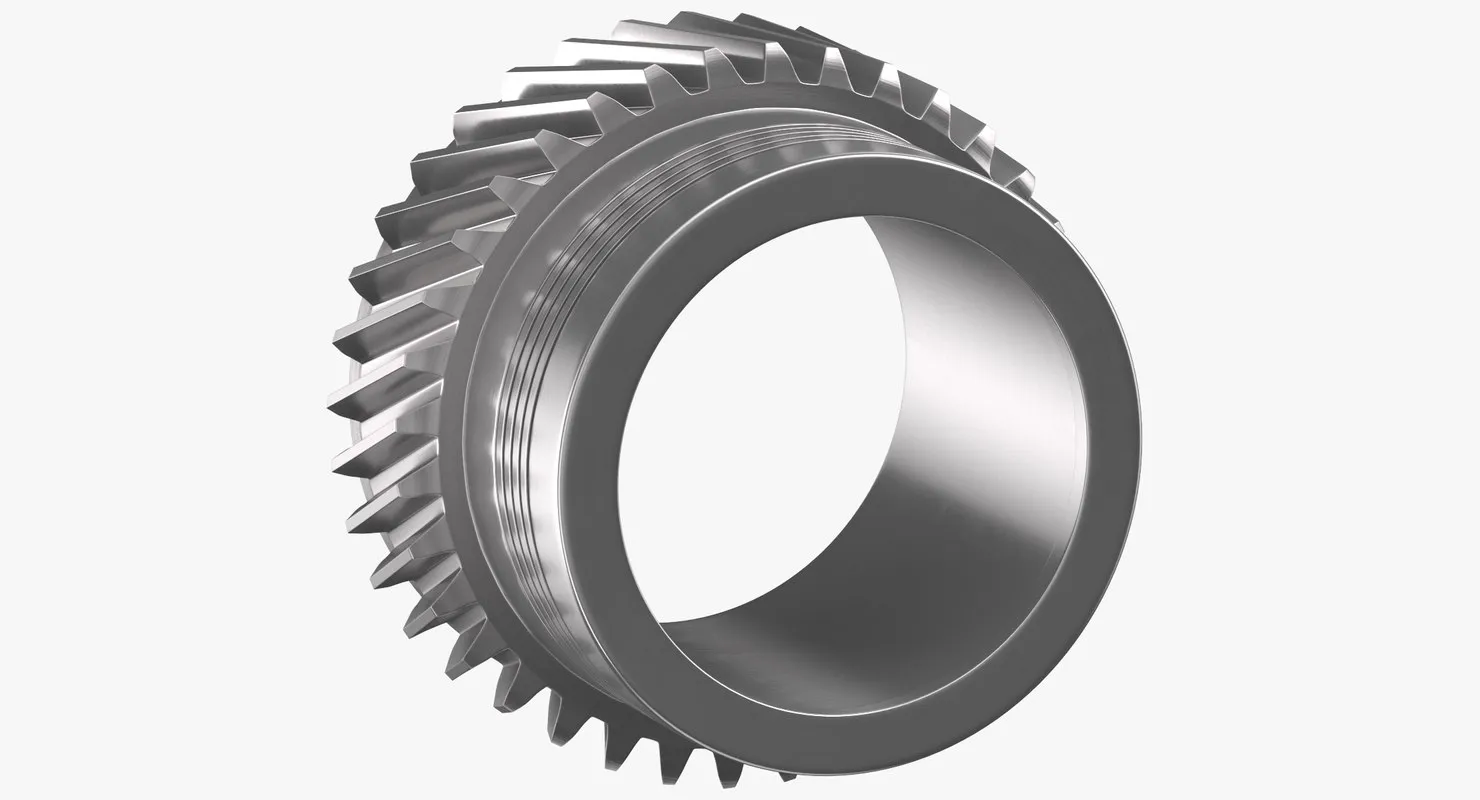
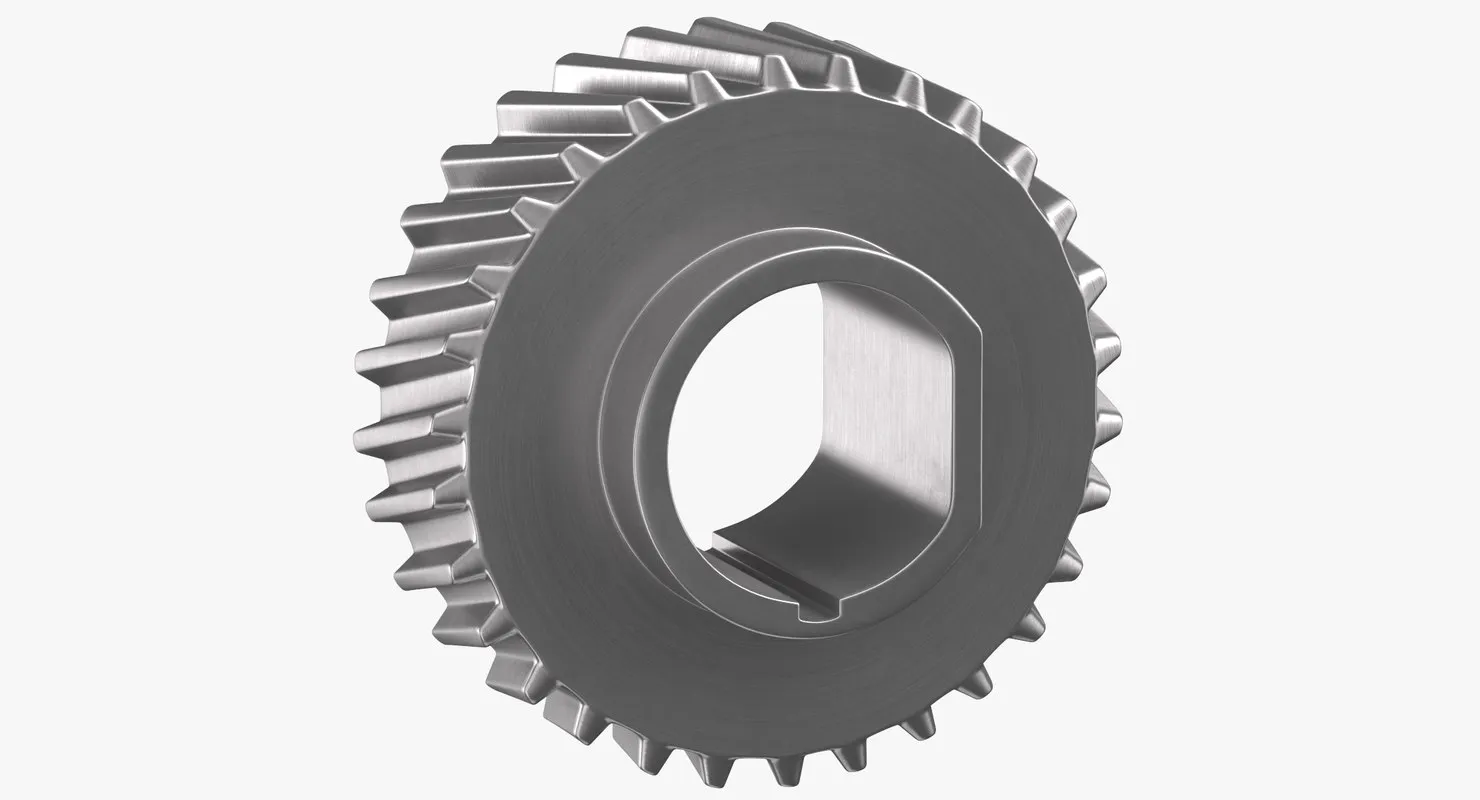
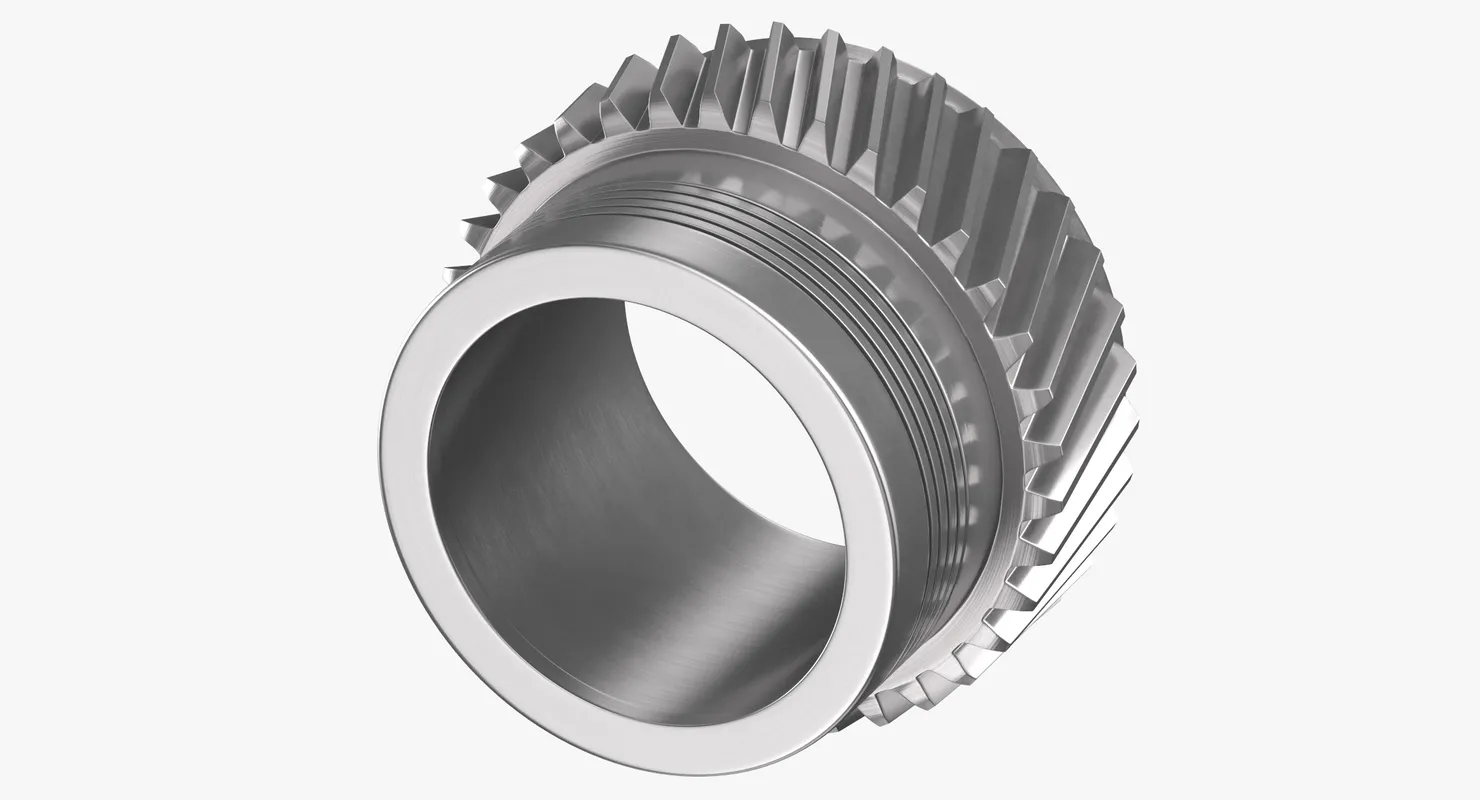
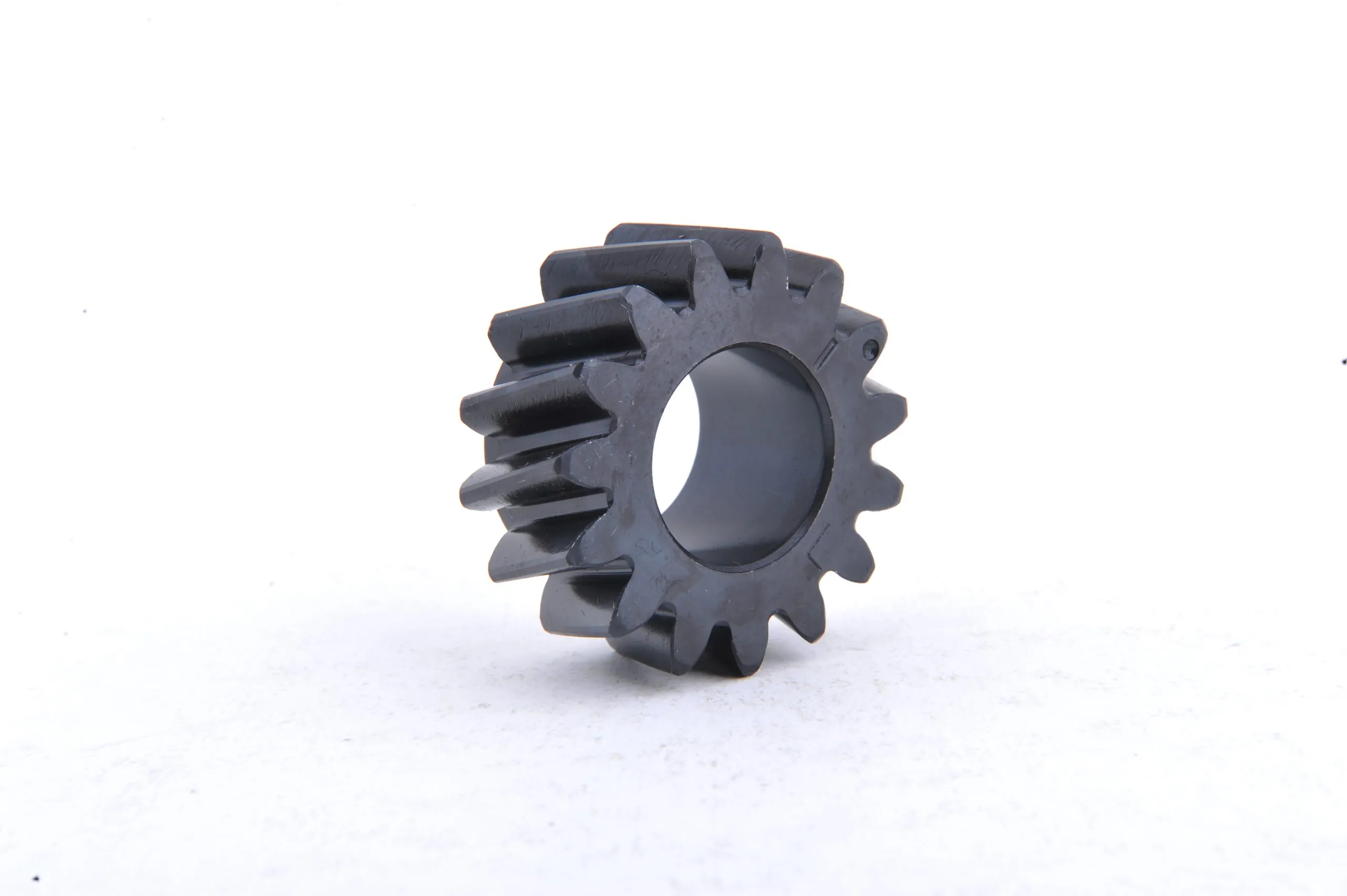
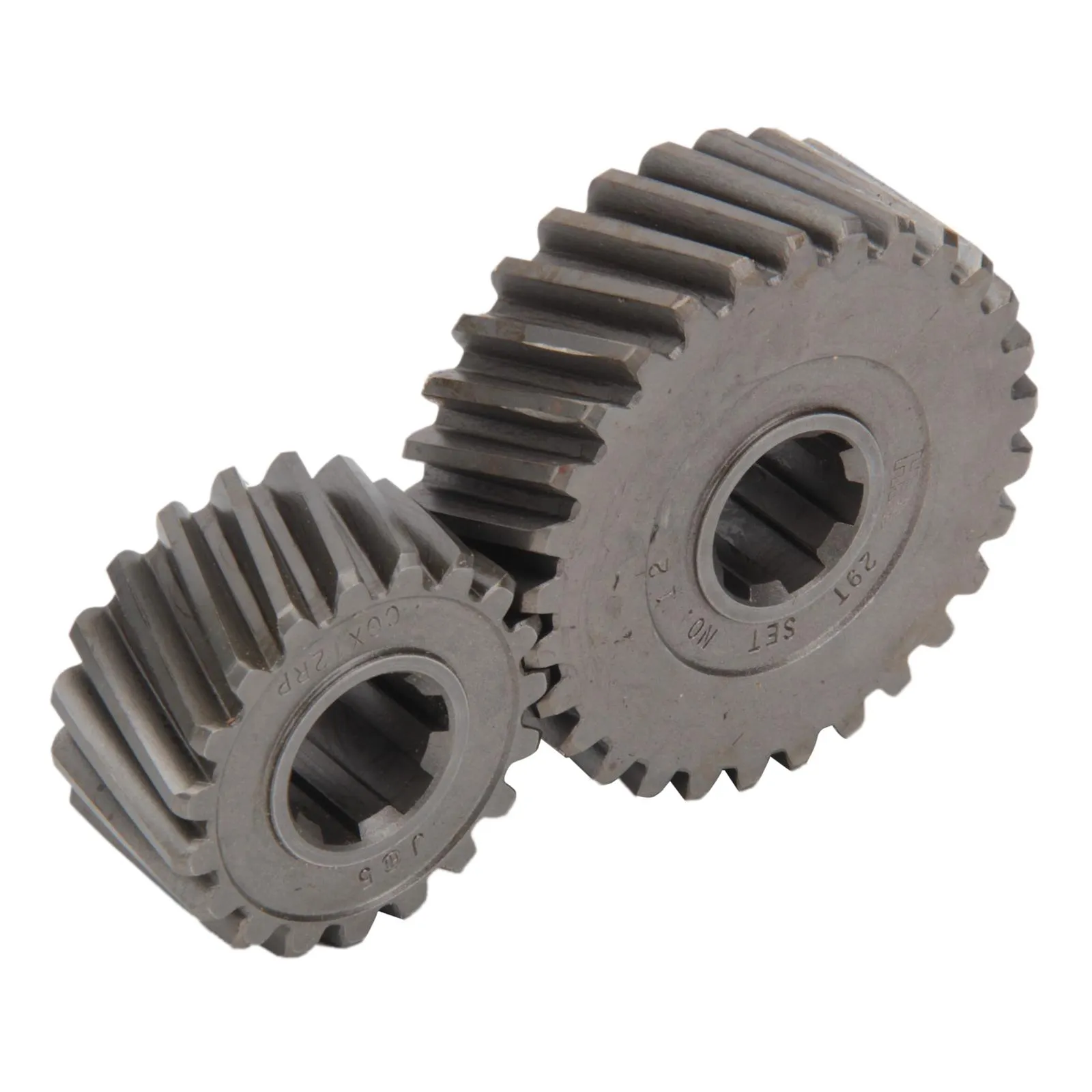
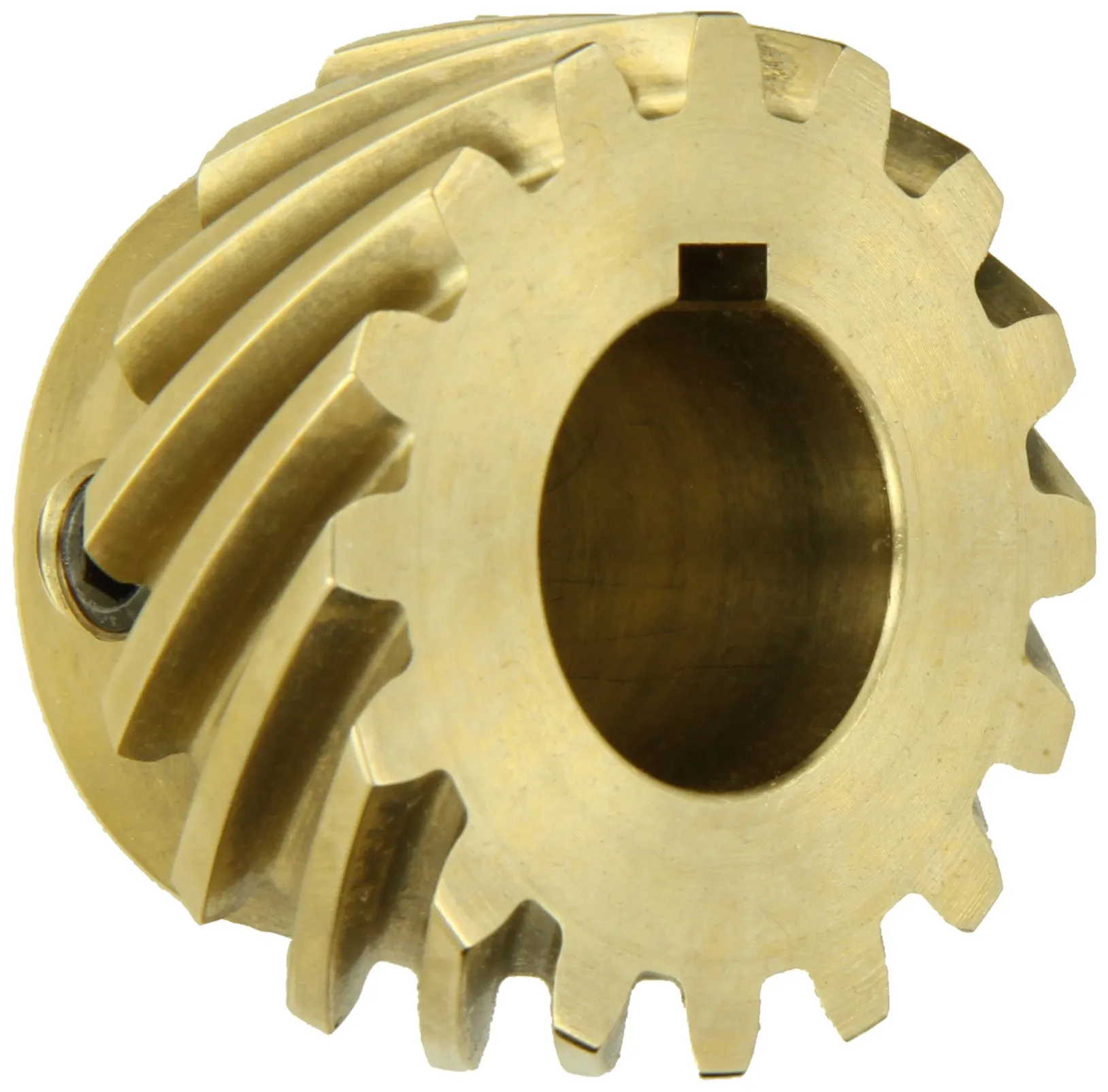
Helical gears, a cog in the mechanical world, have emerged as a prominent player in various industries. These gears are designed with angled teeth, which ensure smooth gear operation and less noise, significantly reducing the wear and tear of machinery.

Method of Use of Helical Gears

Operating helical gears is indeed a straightforward task. The gears are placed in a specific configuration where the teeth engage gradually. This gradual engagement results in a quieter and smoother operation. The force is transferred in a more dispersed way, hence reducing the strain on any single tooth.

Maintenance of Helical Gears

Regular lubrication is essential to maintain the seamless operation of helical gears. Besides, periodic inspection for tooth wear and damage can preemptively detect any potential issues, ensuring the longevity of your gear system.

Production Equipment Process

The helical gears are manufactured using a high-precision process. The gear cutting machines, equipped with CNC technology, carve the teeth at an angle to the gear axis, creating the signature helical design.

Characteristics of Helical Gears

  • Smooth and silent operation: The angled teeth of the helical gears engage gradually, resulting in less noise and vibration.
  • Highly durable: With the force distributed across multiple teeth, the wear and tear of individual teeth are reduced.
  • Wide range of applications: From automotive to industrial machinery, helical gears can be utilized in a variety of sectors.

Choosing the Right Helical Gear

Selecting the appropriate helical gear depends on various factors such as the torque requirement, operating speed, and noise tolerance level. While higher angles provide smoother operations, they also generate more axial thrust. Thus, it’s crucial to strike a balance as per the specific requirements.

When and How to Replace Helical Gears?

Replacement of helical gears is necessary when you observe excessive wear or damage. It’s recommended to replace them with gears of the same specifications to maintain compatibility with the existing gear system.

Helical Gear Application Examples

Helical gears are widely used in industries such as automotive, aerospace, and manufacturing. They serve as the backbone of transmission systems in cars, elevators, and even in heavy-duty industrial machinery.

In a nutshell, the diverse application, durability, and efficient operation make helical gears an indispensable part of modern machinery. Investing in them is indeed a decision you won’t regret.

Unleashing the Power of Helical Gear Applications: A Comprehensive Guide

Introduction to Helical Gear Applications

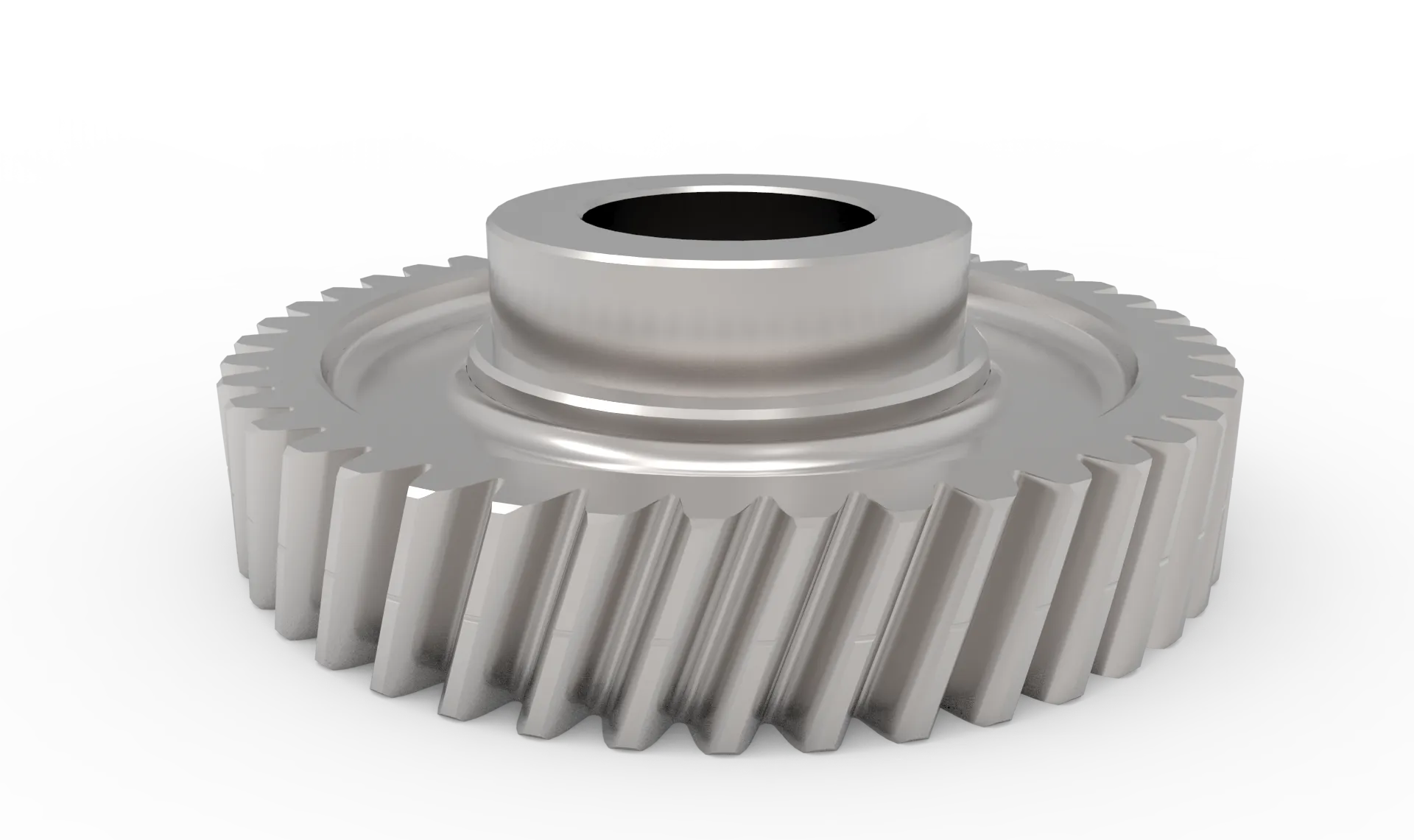
Helical gears, with their unique helix design, have revolutionized the mechanical world. Their applications range from automobiles to industrial machinery, transforming the way we operate. This article will dive deep into the world of helical gear applications, highlighting their potential and guiding you towards making an informed choice.

How to Use Helical Gears

Operating helical gears is straightforward. They are designed to mesh at an angle, providing smoother and more efficient power transmission. This angled design results in less noise and vibration, making them ideal for high-speed applications.

Maintenance of Helical Gears

Routine inspection and lubrication can extend the life of your helical gear. Always ensure the gear surfaces are clean and free from debris. Regularly examine for any signs of wear or damage. A well-maintained helical gear can serve you for years, offering excellent efficiency and reliability.

Production Equipment Process

The production of helical gears involves precision and advanced machinery. The process begins with casting or forging the gear blank. The helical gear teeth are then cut into the blank using a specialized gear hobbing machine. The gears are subjected to rigorous quality checks to ensure their performance and reliability.

Characteristics of Helical Gears

– Smooth Operation: The angled teeth of helical gears offer smooth and quiet operation.

– High Load Capacity: These gears can bear high loads due to their increased surface contact.

– Versatility: Helical gears can be used in both parallel and crossed shaft applications.

– Efficiency: The design of helical gears allows for efficient power transmission.

Choosing the Right Helical Gear

Choosing the right helical gear depends on your specific application. Consider factors like load capacity, speed requirements, noise tolerance, and the orientation of your shafts. A helical gear with the right specifications can significantly enhance your machinery’s performance and longevity.

When and How to Replace Helical Gears

Over time, helical gears may show signs of wear, such as noise, vibration, or decreased efficiency. When these signs become apparent, it’s time to consider a replacement. Always choose a replacement gear that matches the specifications of the original to ensure compatibility and performance.

Conclusion

Helical gears are a powerful tool in the mechanical world. With their smooth operation, high load capacity, and versatility, they have found a place in a wide range of applications. Understanding their use, maintenance, and production process can help you make an informed choice, enhancing your machinery’s performance and extending its lifespan. With the right helical gear, you can unlock a world of efficiency and reliability.

Understanding the Intricacies of the Helical Gear Angle Formula

Helical gears are a fundamental part of many machines, from cars to printers. Understanding the working of the helical gear angle formula can help you make an informed decision when it comes to the use and maintenance of these gears.

## The Basics of the Helical Gear Angle Formula

The helical gear angle formula, also known as helix angle, is an essential aspect of gear design. It calculates the angle between the gear tooth and the gear axis. The formula is simple: Helix Angle = arctan (Lead / (π × Pitch Diameter)).

## Usage of the Helical Gear Angle Formula

This formula’s application is crucial in the design and manufacturing process of helical gears. It determines the angle of the teeth, which impacts the gear’s efficiency, noise level, and strength. The helical gear angle formula is also vital in the gear’s meshing process, which directly influences the gear’s performance and lifespan.

## Maintenance of Helical Gears

Regular maintenance of helical gears includes monitoring the helix angle. A change in this angle can lead to decreased performance and potential damage. Regular lubrication and inspection are essential to maintain the gear’s optimal function and prolong its lifespan.

## Production Equipment Process

Helical gears are produced using gear hobbing machines. These machines use the helical gear angle formula to cut the gears accurately. The process involves cutting each tooth individually, ensuring precision and quality.

## Key Features of the Helical Gear Angle Formula

– It determines the helix angle, a critical factor in gear design.

– It influences the gear’s performance, noise level, and strength.

– It plays a crucial role in the gear’s meshing process.

## Choosing the Right Gear

When selecting a gear, understanding the helical gear angle formula is crucial. The helix angle impacts the gear’s efficiency and noise production. A gear with a smaller helix angle will be quieter but less efficient, while a larger helix angle will be more efficient but noisier.

## Replacement of Helical Gears

Knowing when to replace your helical gear is essential. If there is a noticeable change in performance or noise level, it may be time to replace it. Using the helical gear angle formula can help detect any changes in the helix angle, signaling a potential need for replacement.

Understanding the helical gear angle formula is vital for anyone dealing with helical gears. It provides a comprehensive understanding of how these gears work, leading to better use, maintenance, and decision-making processes concerning these gears. By taking the time to understand this formula, you can ensure the longevity and optimal performance of your helical gears.

Unleash the Potential of the Helical Gear Angle Calculator: An Indispensable Tool for Precision Engineering

Introduction to the Helical Gear Angle Calculator

The Helical Gear Angle Calculator is a modern marvel that enhances precision in engineering and manufacturing processes. This tool is designed to calculate the key parameters of helical gears, including the helix angle, pitch, diameter, and number of teeth. It offers a seamless blend of functionality, accuracy, and convenience, making it an invaluable asset for industries like automotive, aerospace, and heavy machinery.

Using the Helical Gear Angle Calculator Effectively

• Enter the parameters: The first step is to enter the known parameters of your gear, such as the module, number of teeth, and gear width.

• Calculate: After inputting the data, press the ‘calculate’ button. The calculator will instantly provide the helix angle and other related parameters.

• Verify and Adjust: Check the results and adjust the parameters if necessary. The calculator provides precise results, reducing the chances of errors and miscalculations.

Ensuring the Longevity of Your Tool

To maintain the efficiency of the Helical Gear Angle Calculator, it’s essential to handle it with care. Avoid exposing it to extreme temperatures or humidity, and keep it clean from dust and debris. Regular software updates are also necessary to ensure its optimal performance.

Understanding the Production Process

The Helical Gear Angle Calculator is developed using advanced technology and cutting-edge production equipment. The process begins with the design phase, where the software architecture is laid out. This is followed by coding, testing, and debugging stages, ensuring the calculator’s accuracy, reliability, and user-friendly interface.

Key Features of the Helical Gear Angle Calculator

• Precision: It offers unrivaled precision in calculating helical gear parameters.

• User-Friendly: The tool is designed with an intuitive interface, making it easy to use.

• Versatile: It can calculate various parameters, enhancing its functional range.

• Reliable: The calculator’s accuracy improves the reliability of your calculations and designs.

Choosing the Right Calculator

When selecting a helical gear angle calculator, consider its precision, ease of use, versatility, and reliability. The calculator should offer accurate results, have a user-friendly interface, and be capable of calculating various gear parameters.

Knowing When to Replace Your Calculator

The need to replace your Helical Gear Angle Calculator arises when it no longer provides accurate results, its software becomes outdated, or if it becomes physically damaged. Regular updates and careful handling can significantly extend its lifespan.

In conclusion, the Helical Gear Angle Calculator is a powerful tool that amplifies precision and efficiency in various engineering fields. Its versatility, accuracy, and user-friendly design make it an essential asset for professionals across different industries.

Discovering the Difference: Helical Gear vs. Spur Gear

Introduction to Helical and Spur Gears

Helical and spur gears are integral components of various mechanical systems. They differ in design, function, and application, yet both play pivotal roles in the transmission of power and rotation in machinery.

Understanding Helical Gears

Helical gears, named for their resemblance to helixes or spirals, feature teeth that are cut at an angle to the gear face. This design allows for more gradual gear engagement, resulting in smoother, quieter operation. Helical gears are ideal for high-speed, high-torque applications due to their enhanced load-bearing capacity.

– Quiet operation

– High load-bearing capacity

– Gradual engagement of gears

Exploring Spur Gears

Spur gears, in contrast, have straight teeth that run parallel to the gear’s axis. This straightforward design makes them easy to manufacture and maintain. However, they can be louder than helical gears as their teeth engage and disengage abruptly.

– Easy to manufacture

– Simple to maintain

– Robust design

Production Equipment and Process

The production process for both helical and spur gears involves similar steps, such as blanking, heat treating, and finishing. However, the cutting process differs due to their unique tooth designs. Helical gears require a more complex process to achieve their angled teeth, while spur gears can be cut more directly.

Choosing the Right Gear

When deciding between a helical gear and a spur gear, consider your application’s needs. If you require smooth, quiet operation and can accommodate the axial thrust produced by helical gears, they may be your best choice. However, if simplicity and ease of maintenance are priorities, a spur gear may be more suitable.

Knowing When to Replace Your Gear

Regular inspection and maintenance are crucial for both helical and spur gears. Signs your gear may need replacing include excessive noise, vibration, or visible wear on the gear teeth.

Conclusion

Understanding the difference between helical and spur gears can help you make an informed decision when choosing for your specific application. By considering factors such as noise level, load capacity, and maintenance, you can ensure your gear selection enhances your machinery’s performance and longevity.

Remember, the right gear not only optimizes your machine operation but also reduces maintenance costs and extends the lifespan of your equipment.

Unraveling the Mechanics of Helical Gear and Spur Gear: Your Ultimate Guide

Gearing up for an in-depth understanding of mechanical parts such as Helical Gear and Spur Gear? Look no further. This comprehensive guide will provide you with everything you need to know about these gears and how to choose the best one for your needs.

## Understanding Helical Gear and Spur Gear

Helical gears and spur gears are integral components in a variety of machines, from automobiles to industrial equipment. These gears are designed to transmit motion and power between parallel or right angle shafts.

### Helical Gear

Known for its unique design with teeth cut at angles, the helical gear provides smooth and quiet operation, making it a popular choice for high-speed applications.

### Spur Gear

On the other hand, spur gears, with their straight and parallel teeth, are simple to design and manufacture, making them cost-effective and widely used in various applications.

## Using and Maintaining Your Gears

Proper use and maintenance are key to prolonging the lifespan of your gears.

### Using Your Gears

When using helical and spur gears, it’s important to ensure they are properly aligned and lubricated. This will reduce friction and wear, allowing for optimal performance.

### Maintaining Your Gears

Regular inspection and maintenance are crucial in keeping your gears in top condition. This includes checking for any signs of wear or damage, as well as ensuring adequate lubrication.

## Production Process of Gears

The production process of helical and spur gears involves several steps, including design, cutting, heat treatment, and finishing. Modern production techniques ensure high precision and quality.

## Key Features of Helical Gear and Spur Gear

– **Helical Gear**: Smooth operation, high load capacity, suitable for high-speed applications.

– **Spur Gear**: Simple design, cost-effective, widely used in various applications.

## Choosing the Right Gear

Choosing between a helical gear and a spur gear depends on several factors:

– **Application**: Spur gears are ideal for low-speed applications, while helical gears are best for high-speed applications.

– **Noise Level**: If a quiet operation is desired, go for the helical gear.

– **Cost**: Spur gears are generally cheaper to produce.

## When and How to Replace Your Gears

Regular inspection can help you determine when it’s time to replace your gears. Signs of wear, damage, or decreased performance are clear indications that gear replacement is necessary.

Choosing between helical and spur gears can be daunting, but armed with this knowledge, you are now equipped to make an informed decision. Remember, the right gear for your needs will depend on your specific application, budget, and requirements.

Understanding the Essentials of Helical Gear Analysis

Introduction to Helical Gear Analysis

Helical gear analysis is a critical process in engineering and manufacturing sectors. It involves a comprehensive examination of helical gears, which are the most common type of gears used in transmissions, to ensure their peak performance and longevity.

Using Helical Gear Analysis

To conduct a successful helical gear analysis, specialists employ high-tech software tools and meticulous measurement techniques. The process involves checking gear alignment, contact patterns, surface finish, and the overall gear geometry.

Helical Gear Maintenance and Lifespan


Regular helical gear analysis is integral to gear maintenance and can significantly increase the lifespan of the equipment. It aids in early detection and rectification of issues, helping prevent costly breakdowns and downtime.

Production Equipment Process

The production of helical gears involves multiple stages, from gear cutting to heat treatment and finishing. Each step is monitored closely to ensure that the final product meets the highest standards of precision and durability.

Characteristics of Helical Gears

– Superior load distribution due to angled teeth

– Operate more quietly and smoothly than other gear types

– Capable of transmitting high power

– Suitable for high-speed applications

Choosing the Right Helical Gear Analysis

While selecting a helical gear analysis method, consider factors such as the gear’s operating conditions, application, and the equipment available for testing.

Replacing Helical Gears

The need to replace helical gears can arise due to various reasons like wear, damage, or changes in operational requirements. Regular analysis can help determine the optimal time for gear replacement, ensuring uninterrupted operation.

Why Opt for Helical Gear Analysis?

With its ability to ensure the smooth functioning of helical gears, the analysis is essential in industries such as automotive, aerospace, and heavy machinery. By choosing the right helical gear analysis, you can enhance the performance of your equipment and achieve greater operational efficiency.

In conclusion, helical gear analysis is a crucial aspect of maintaining and optimizing the performance of machinery equipped with these gears. By understanding the intricacies of this process, you can make informed decisions that contribute to the longevity and reliability of your equipment.

Unlocking the Power of Helical Gears: More than Just a Component

Helical gears are the unsung heroes of the mechanical world. With their unique spiral tooth design, they offer superior efficiency, strength, and smooth operation compared to other gears. This article will delve into the multitude of benefits of helical gears, their application, maintenance, and production process. By the end, you’ll understand why choosing the right gear is essential for your machinery and how these gears could be the solution to your mechanical needs.

Helical Gears: A Brief Overview

Designed with teeth that are set at an angle to the gear’s face, helical gears offer smooth, quiet operation. This unique design also allows for greater load-bearing capabilities, contributing to their widespread use in industries from automotive to heavy machinery.

How to Use Helical Gears?

Helical gears are often used in pairs, with their teeth meshing at an angle. This ensures a smooth transfer of power between shafts, with added durability and less wear and tear. These gears can be used in both parallel and crossed shaft applications, offering versatility in operation.

Maintenance of Helical Gears

Maintaining helical gears involves regular lubrication to reduce friction and prevent wear. Regular inspections for signs of damage or wear are also essential to ensure the longevity and functionality of these gears.

Production Equipment Process

The production of helical gears involves a precision process using gear cutting machines. The teeth are cut at an angle to the axis of rotation, creating a helix shape. This process requires expert knowledge and precision machinery to ensure the gears are produced to exact specifications.

Characteristics of Helical Gears

– Smooth, quiet operation due to angled teeth design

– Greater load-bearing capabilities

– Versatile usage in both parallel and crossed shaft applications

– Durable and resistant to wear

Choosing the Right Gear: Why Opt for Helical?

When it comes to selecting the right gear for your needs, several factors come into play. Helical gears are an excellent choice for applications requiring high-speed, high-torque operations due to their superior strength and smooth operation.

When and How to Replace Your Helical Gears?

The lifespan of helical gears depends on their usage and maintenance. However, if you notice excessive noise, vibrations, or a decrease in efficiency, it may be time to replace your gear. Always consult with a professional to ensure the correct replacement and installation of new gears.

Conclusion

Helical gears are a powerful tool in the mechanical world, offering a range of benefits from smooth operation to enhanced strength. Understanding their function, usage, and maintenance is vital for anyone involved in mechanical applications. With the right care and use, helical gears can provide efficient, durable service for your machinery needs.

Maximize Efficiency with the Flender Helical Gear Unit: An In-Depth Guide

Introduction to Flender Helical Gear Unit

The Flender Helical Gear Unit stands as the epitome of precision, durability, and efficiency. This industrial-grade mechanical component, manufactured by the globally recognized brand Flender, offers unparalleled performance in diverse applications.

How to Use Flender Helical Gear Unit

Operating the Flender Helical Gear Unit is a straightforward process. Professionals, with a basic understanding of industrial gear units, can implement the gear unit into existing systems seamlessly.

• Install the gear unit as per the manufacturer’s instructions.

• Ensure that the gear unit is properly lubricated.

• Regularly inspect the gear unit for potential issues.

Maintenance of Your Gear Unit

Regular maintenance is paramount to ensure the longevity of your Flender Helical Gear Unit.

• Regularly check the lubrication level.

• Inspect for any signs of wear and tear.

• Schedule routine professional inspections.

Manufacturing Process


The Flender Helical Gear Unit is a product of sophisticated manufacturing processes. The production involves state-of-the-art equipment and stringent quality control measures to ensure top-notch quality.

Characteristics of Flender Helical Gear Unit

• High Efficiency: The gear unit is engineered to deliver maximum torque, minimizing energy wastage.

• Durability: Manufactured with high-quality materials, the gear unit promises longevity and resistance to wear and tear.

• Versatility: The Flender Helical Gear Unit can be used in a wide range of industrial applications.

Choosing the Right Flender Helical Gear Unit

Choosing the right Flender Helical Gear Unit involves considering factors like the required torque output, speed, and the application’s specific requirements. Consulting with a technical expert can help in making an informed decision.

Replacement of Your Gear Unit

The replacement of the gear unit is necessary when it displays signs of excessive wear or fails to deliver the required performance. Typically, with regular maintenance, the gear unit can serve reliably for several years.

In conclusion, the Flender Helical Gear Unit offers unmatched performance, efficiency, and versatility. Its systematic use, maintenance, and timely replacement can ensure it serves your industrial needs reliably and efficiently.

Understanding the Face Width of Helical Gear Formula: A Comprehensive Guide

The face width of a helical gear formula is an integral component in mechanical engineering and gear manufacturing. This comprehensive guide will introduce you to this essential product, walk you through its usage, maintenance, and production process, highlight its unique features, and guide you on choosing the right product for your needs.

Introduction to the Face Width of Helical Gear Formula

Helical gears are a type of cylindrical gear with slanted tooth trace. Unlike spur gears, these are not perpendicular to the gear surface but instead, have a helix angle. The face width of the gear is a crucial aspect of its design and is determined using a specific formula. This formula ensures the smooth operation of the gear, enhances its durability, and optimizes performance.

Using the Face Width of Helical Gear Formula

The formula is used during the design and manufacturing process of helical gears. It helps in calculating the correct face width, ensuring the gear’s effectiveness and efficiency. The formula is,

Face Width = (2*Gear Module*Number of Teeth)/cos(Pressure Angle)

Understanding and accurately implementing this formula is crucial in producing high-quality helical gears.


Maintenance of Helical Gears

– Regular Inspection: Ensure to regularly inspect the gear for any signs of wear or damage.

– Lubrication: Proper lubrication is crucial to reduce friction and prolong the gear’s lifespan.

– Alignment: Ensure the gears are correctly aligned to prevent unnecessary wear.

Production Equipment Process

The production of helical gears involves several steps, including gear cutting, heat treatment, and finishing. The face width helical gear formula plays a significant role in the gear cutting process, ensuring the gear is cut to the correct dimensions.

Features of the Face Width of Helical Gear Formula

– Accuracy: The formula ensures precise calculation of the face width, optimizing gear performance.

– Versatility: It can be applied to any helical gear design.


– Efficiency: It helps in reducing wastage during the manufacturing process.

Choosing the Right Helical Gear

Understanding the face width of helical gear formula is crucial when choosing the right gear for your needs. Consider factors such as the gear ratio, the gear’s intended application, and the material used in the gear’s construction.

Replacing Helical Gears

Helical gears need to be replaced when they show signs of excessive wear, damage, or if they start making unusual noises. The frequency of replacement depends on the operating conditions and maintenance practices.

In conclusion, the face width of helical gear formula is an essential aspect of mechanical engineering and gear design. Understanding and accurately implementing this formula can optimize gear performance, reduce wastage during production, and ensure the longevity of the gear.